

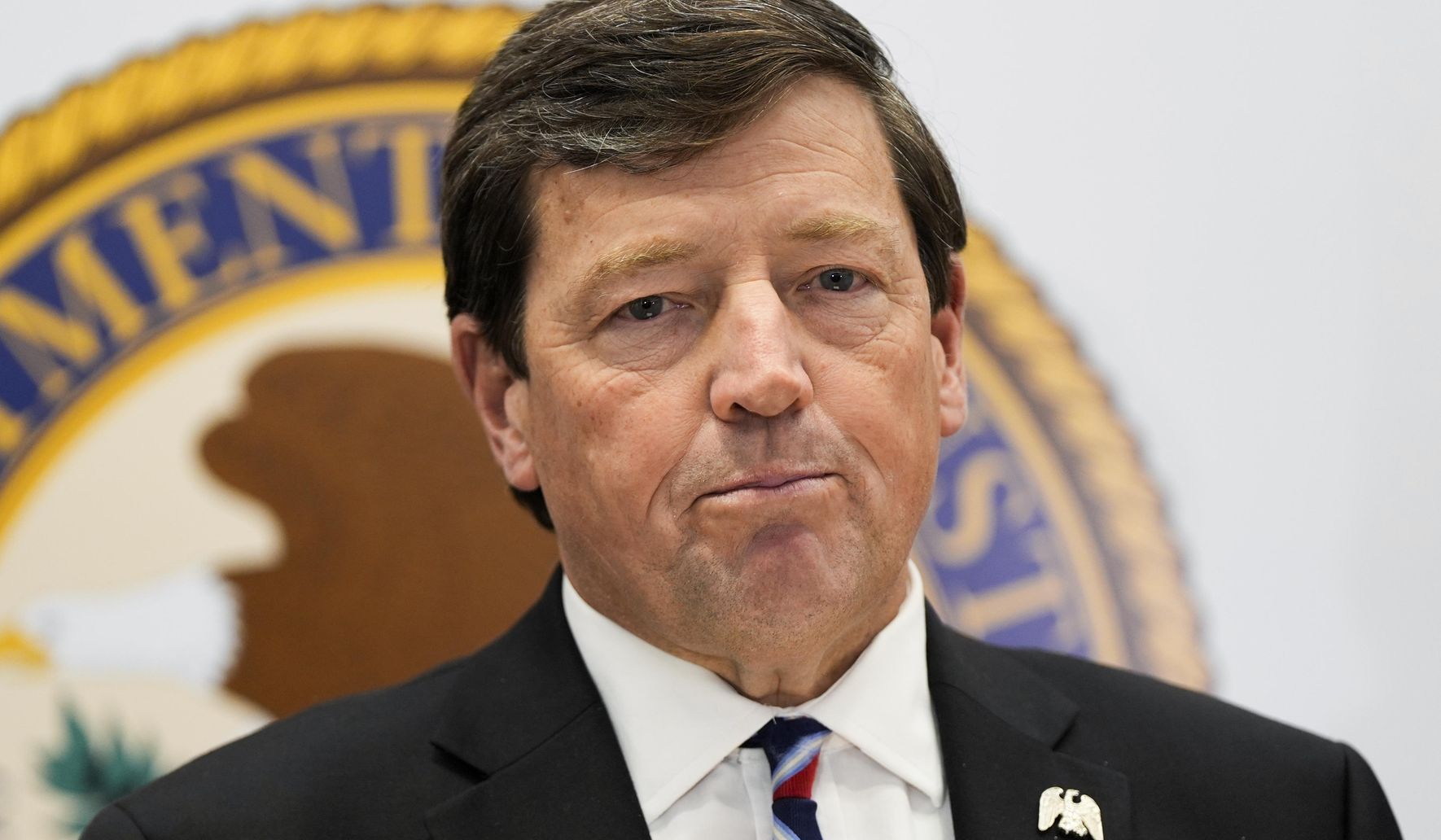
Former interim U.S. Attorney for D.C. Ed Martin is facing misconduct allegations from Washington ethics investigators after a letter he sent to Georgetown Law raised questions about the university’s DEI programs.
The allegation centers on a letter Mr. Martin sent to Georgetown Law that questioned the direction and influence of diversity, equity, and inclusion programs at the institution. Ethics investigators in Washington have labeled that correspondence the basis for a misconduct claim, turning a private critique into an official inquiry. This sequence landed a former top prosecutor into a public dispute over professional conduct and academic policy.
As a matter of basic perspective, asking hard questions about institutional priorities is not inherently improper, especially when those questions come from someone with public safety responsibilities in their background. Republicans generally view scrutiny of DEI programs as legitimate oversight rather than a moral failing, and they see pushback from former officials as part of civic life. That stance frames this episode as a clash between traditional accountability and a new set of workplace norms.
Ethics investigations exist to guard against actual wrongdoing, conflicts of interest, and corrupt behavior by legal professionals. At the same time, they are not designed to police viewpoints or to silence reasonable debate about public institutions. If investigators treat the letter as misconduct because it critiqued policy, that risks expanding ethics enforcement into an arena of ideas and academic governance.
One practical concern is precedent. When an inquiry follows public questioning of a university policy, other professionals may think twice before raising concerns that touch on powerful cultural trends. That chilling effect undermines open discussion, and it discourages experienced voices from engaging with topics like academic priorities or the role of law schools in shaping future lawyers. Maintaining a clear line between ethical violations and policy critique matters for preserving candid debate.
Another issue is proportionality. Ethics probes consume time and attention and can affect reputations long before any formal conclusion. Republicans tend to argue that investigators should focus resources on clear abuses, such as conflicts of interest or misuse of office, rather than letters that express policy objections. Weighing the seriousness of alleged misconduct against the public interest in debate helps keep disciplinary systems from becoming tools of political enforcement.
The broader context here touches on the changing culture inside legal education, where DEI initiatives have grown more prominent and more contested. Some see those programs as necessary steps toward fairness and representation. Others, especially in conservative circles, view them as ideological shifts that merit scrutiny and sober discussion, not automatic protection from challenge.
Mr. Martin’s background as a former interim U.S. Attorney gives his critique extra weight among those who value law-and-order credentials. That professional history influences how critics and supporters interpret both the letter and the investigators’ response. For Republicans, a seasoned prosecutor raising questions about institutional priorities is a legitimate exercise of civic responsibility, not a breach of ethics by default.
At the same time, the investigatory process should be transparent and fair, so it does not look like selective enforcement. Republicans typically favor clear standards, timely procedures, and public trust in oversight mechanisms. Ensuring that ethics reviews stick to misconduct as traditionally defined protects both the integrity of professions and the right to critique public institutions.
The case will likely prompt renewed debate about where to draw the line between professional conduct and policy commentary. That debate should focus on ensuring ethics rules target actual misconduct, while protecting the space for earnest and informed criticism of institutions like law schools. How investigators handle this matter will signal whether those boundaries remain intact or continue to blur under pressure from cultural disputes.

