

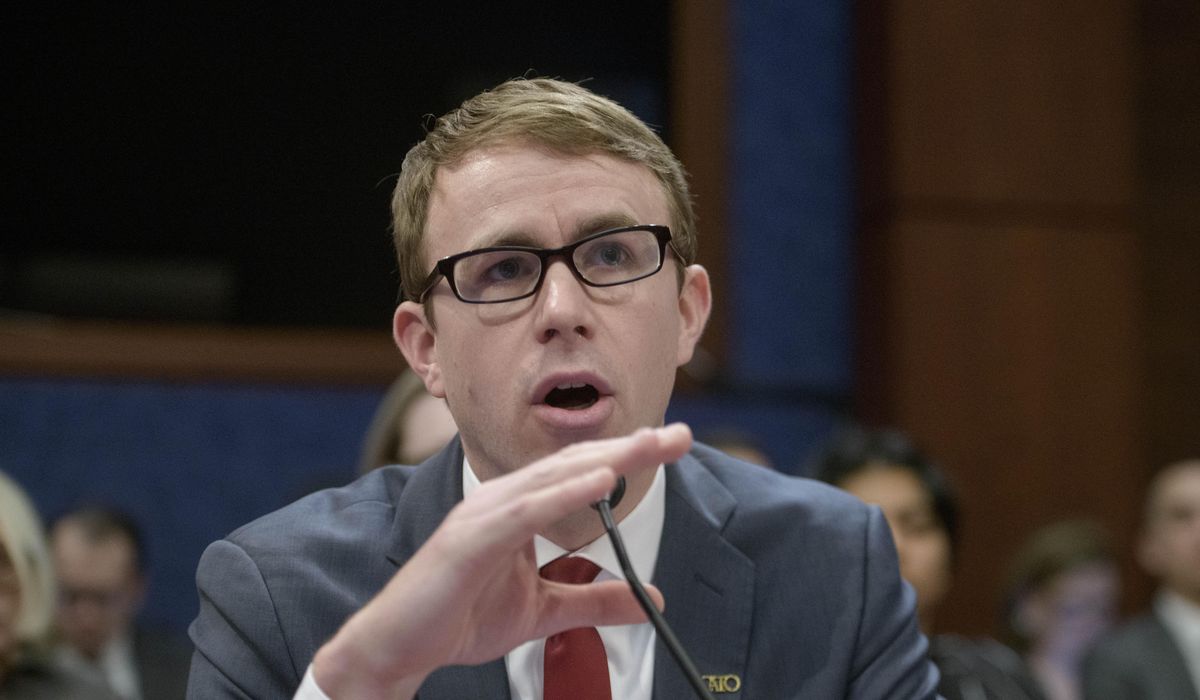
Sen. John Kennedy squared off with Cato Institute scholar David Bier in a tense hearing, and the exchange showed both Kennedy’s knack for blunt pressure and Bier’s readiness to push back with prepared arguments.
Sen. John Kennedy has made a career out of embarrassing witnesses in congressional hearings, but he met his match Tuesday with Cato Institute scholar David Bier, who came ready for combat. The two traded barbs and facts in a hearing that highlighted a broader clash between cautious national security instincts and a libertarian push for looser rules. Voters watching saw a classic debate over how to balance order with liberty.
Kennedy brought his familiar, pointed style, asking direct, sometimes cutting questions that aim to pin witnesses down. That approach works because it forces on-the-spot clarity and exposes evasions. It also communicates to everyday Americans a refusal to accept evasive answers from experts who may be out of step with public concerns.
Bier arrived armed with data and a confident libertarian posture that favors market-friendly and immigration-liberal positions. He responded calmly, cited studies, and refused to be rattled by Kennedy’s sarcasm. His readiness showed that policy debates are no longer the sole domain of career bureaucrats but include think tank scholars who come prepared to challenge senators.
The exchange underscored an important point about hearings: they are a battlefield of ideas as much as a fact-finding mission. For Republicans, Kennedy’s tough questioning serves a simple purpose, it holds authorities and advocates accountable. For libertarian voices like Bier’s, hearings are an opportunity to push alternative frameworks and press for reforms that expand individual freedom.
Watching the back and forth, you could see why these moments matter beyond the chamber. Senators shape public understanding by choosing what to emphasize and how to frame technical issues in plain language. When a senator uses accessible questions, voters learn what is at stake and can better judge the competing visions being offered.
Kennedy did what Republicans expect from him, he demanded specificity and clear commitments rather than abstract assurances. That is a principled stance in a system where policy changes have real consequences for communities and national security. Citizens who prefer accountable government want their representatives to press witnesses hard when consequences are on the line.
Meanwhile, Bier demonstrated why think tanks matter in modern politics, they train spokespeople to make complex arguments succinctly and to anticipate attacks. His performance showed that a prepared witness can blunt a combative approach by staying focused on evidence and policy logic. That ability to remain composed under pressure boosts a scholar’s credibility with some audiences even as it rubs others the wrong way.
The hearing itself became a microcosm of larger fights over policy direction and political tone. Republicans like Kennedy emphasize practical outcomes and responsibility to voters while critics push theoretical reforms with little care for political optics. Both sides make arguments worth testing under the public eye, and a robust hearing forces them to do just that.
For voters who favor stronger oversight and tougher standards, Kennedy’s style is reassuring because it aims to uncover the real-world effects of proposed changes. For those attracted to libertarian reforms, Bier’s calm focus on data and principle is persuasive because it promises efficiency and individual liberty. The clash made clear that neither side will cede the argument easily.
Ultimately, the exchange was a reminder that congressional hearings still matter as a forum where competing visions collide and get aired in plain terms. Kennedy’s blunt questions and Bier’s prepared responses gave viewers a clear sense of the stakes, and that kind of transparency helps citizens decide which direction they prefer. The trend toward sharper, better prepared witnesses will only harden the choices facing lawmakers going forward.

