

Virginia looks like the next major battleground, with chatter about a familiar name and a lot of Republican energy lining up to challenge it.
The politics of Virginia are heating up as party operatives and voters start positioning for the next statewide fight. From a Republican perspective, this is a chance to push back against policies that they argue have weakened local economies and public safety. Attention is focused on whether a prominent Democratic figure will re-enter the scene and reshape the race.
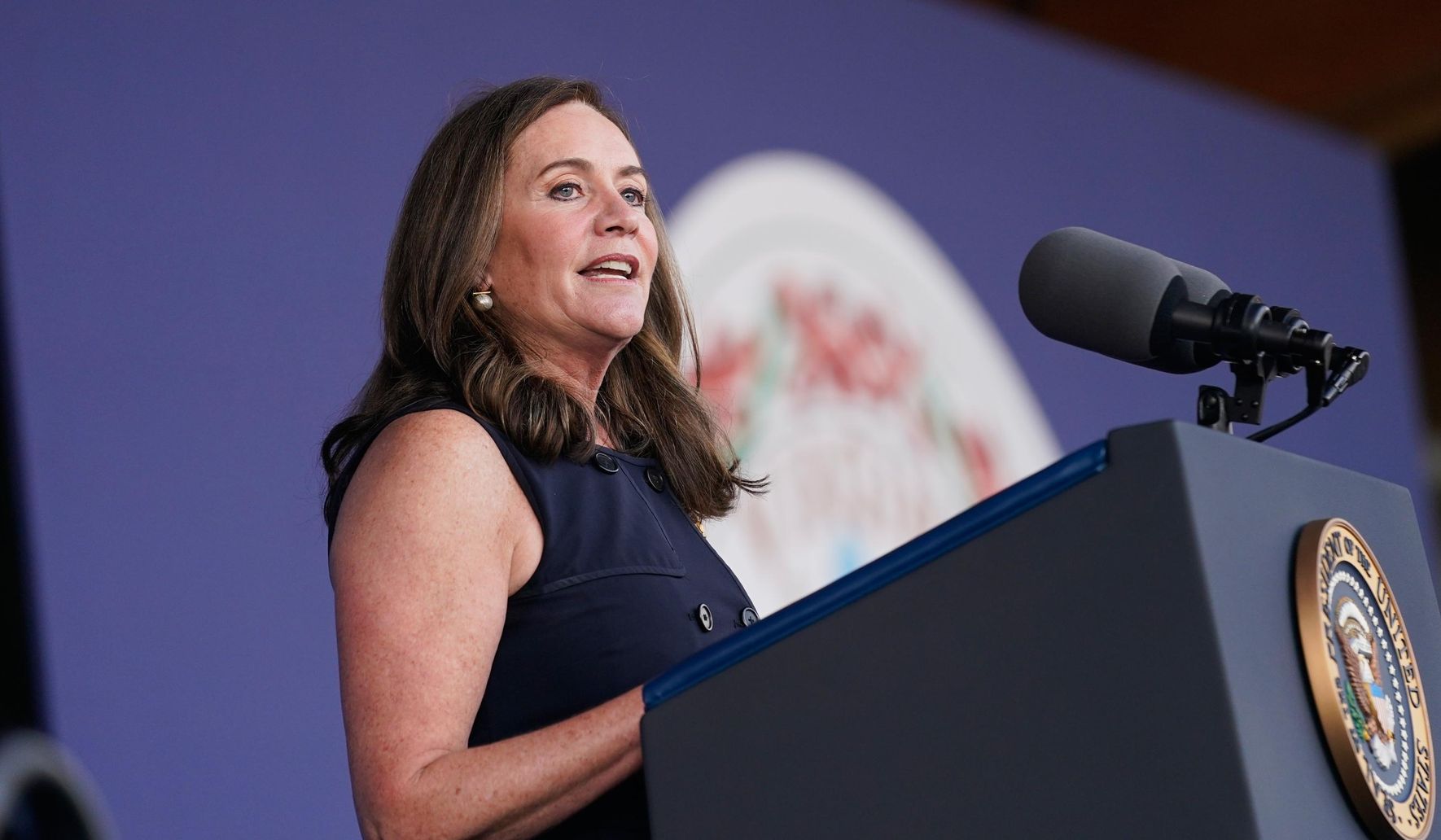
There could be another McAuliffe representing Virginia soon. That possibility makes conservative activists sharpen their messaging and prepare to contrast their values with a name that already carries a long record in Richmond. Republicans see familiar faces as an opportunity to remind swing voters about past decisions and outcomes they oppose.
On issues like taxes and fiscal responsibility, GOP strategists will press the case that Virginia families are better served by restrained government and predictable budgets. They will argue that higher costs and overreaching policy proposals undercut small businesses and push residents out of the commonwealth. Those economic themes are set to be a core part of the Republican pitch.
Public safety will be another center of debate, with Republicans emphasizing law-and-order approaches and support for police. The party plans to highlight the consequences of soft-on-crime policies and argue for clear accountability and common-sense reforms. Framing the contrast sharply on safety plays well with suburban and rural voters alike.
Education has already become a political fault line, and conservatives intend to use that to their advantage by promoting parental choice and local control. They will point to curriculum fights and mask mandates as examples where centralized decisions overrode parents’ wishes. That messaging aims to turn schoolboard frustration into broader electoral momentum.
Virginia’s changing electorate means campaigns can’t rely on old assumptions, so Republican ground teams will focus on turnout and persuasion in the margins. Suburban districts that flipped in recent cycles are key, and the GOP sees them as places to win back with focused outreach. Efforts will include a mix of local organizing, targeted advertising, and clear policy contrasts.
At the same time, Democrats may rally behind a recognizable candidate who can raise money and bring national attention. Republicans expect that dynamic to sharpen the campaign and force clearer choices for voters. The presence of a high-profile Democratic nominee could energize both sides and make margins tighter in competitive districts.
Fundraising and endorsements will shape how the battle unfolds, and Republicans will try to match dollars with disciplined spending priorities. The party plans to cultivate small-dollar donors while courting traditional backers who care about stability and conservative governance. Smart allocation of resources will be crucial in a statewide contest that could hinge on a few thousand votes.
Media narratives will matter, but Republicans remain skeptical of liberal-leaning coverage and plan to bypass it with direct voter contact. That means heavy use of door-knocking, local events, and concise messaging that cuts through the noise. By focusing on voter concerns rather than media talking points, the GOP hopes to set the agenda in key regions.
The risks for Democrats are clear from a Republican perspective: nominating a figure with an established record gives opponents a paper trail to critique and a catalogue of decisions to scrutinize. GOP strategists will emphasize any policy missteps and use those episodes to raise doubts about judgment and priorities. That kind of scrutiny can be decisive in close contests where voters weigh competence and results.
Republicans will also highlight cultural and economic concerns that resonate with working families, including cost of living pressures and competition for quality jobs. They plan to present practical solutions rather than slogans and to show how conservative governance can produce better outcomes at the local level. That practical tone aims to win over independents who prioritize tangible improvements.
The coming months will set the tone for what could be a bruising statewide fight, with both parties eyeing Virginia as a signal state for national trends. Republicans are gearing up to take advantage of any openings and to make the case that their policies lead to safer communities and stronger economies. Expect an intense, focused campaign that leans on local organizing and clear contrasts in policy and leadership style.

