

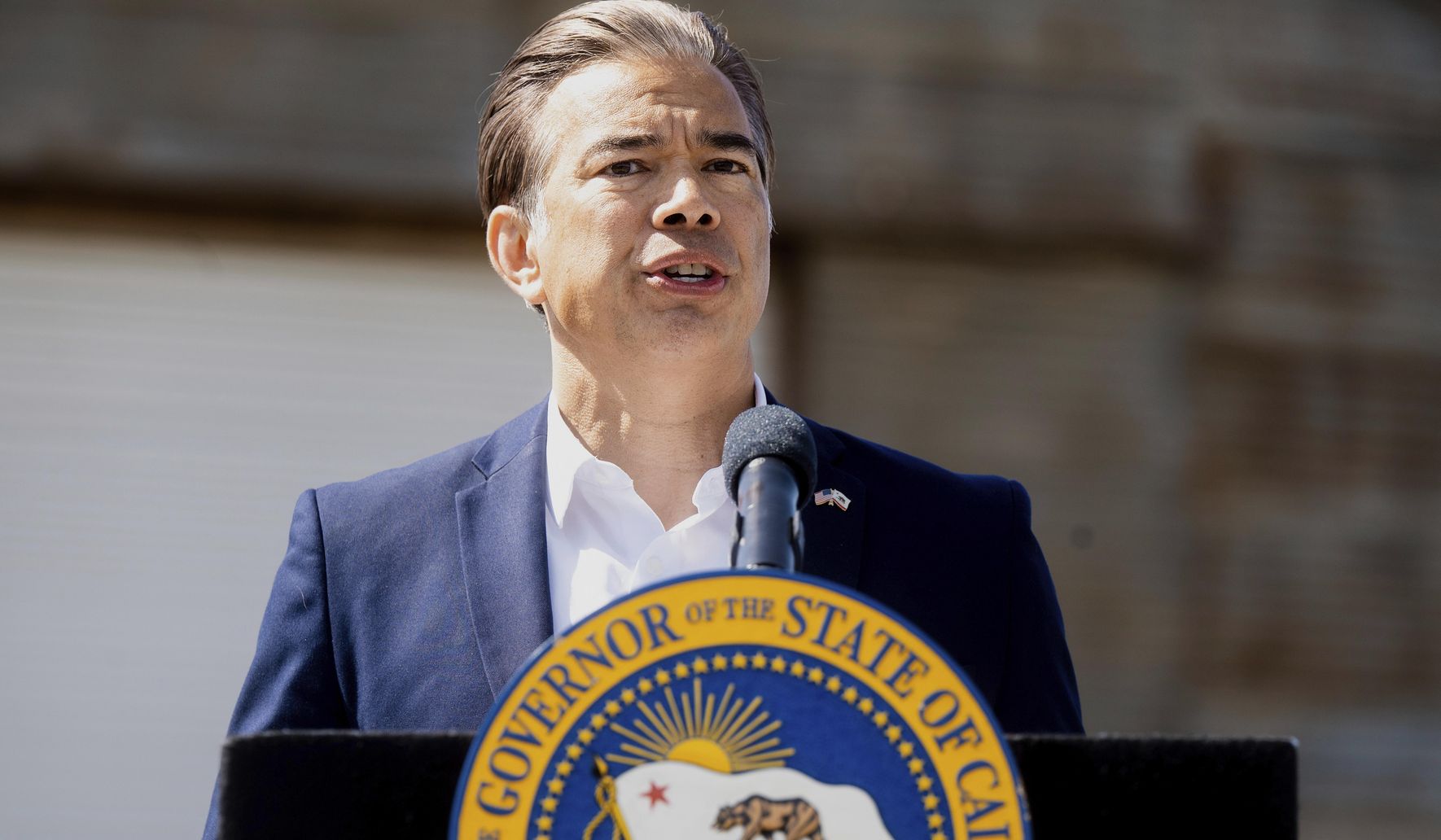
States led by Democrats filed suit Wednesday to block the Education Department’s new effort to collect data on college admissions and race, arguing the Trump administration is moving too quickly and undermining proper procedure; the dispute raises federalism, privacy, and civil-rights questions as the legal fight begins.
The legal challenge claims an Education Department effort to gather admissions and race data is improper, and it arrived in court as a direct confrontation between state authorities and the federal agency. The move from Democrat-led states frames the dispute as a procedural and rights-based complaint against a federal initiative. That framing has set the stage for a fast-moving courtroom test of federal authority over higher education data collection.
From a Republican perspective, demands for transparency about how colleges handle admissions and race are overdue, not reckless. Parents and taxpayers deserve to know whether racial classifications play an outsized role in admission decisions at taxpayer-subsidized schools. A clear, fact-based accounting can expose policies that contradict equal treatment under the law.
Democrat attorneys argue the administration is violating process, with one claim saying the Trump administration is “rushing the process and making l”. That exact line, left as stated by challengers, highlights the core complaint about speed and procedure. Whether courts will accept that argument depends on how judges weigh administrative timelines against the federal interest in oversight.
The conflict also raises privacy worries on both sides of the aisle, but they look different depending on your view. Critics say centralized data collection can expose sensitive personal information, and they demand strict protections. Supporters counter that aggregated, properly anonymized data can be vital for accountability without sacrificing individual privacy.
State leaders pushing back claim federal overreach into education policy traditionally handled at the state and institutional level. Republicans argue that the federal role should be limited, not absent, especially when constitutional protections or civil-rights enforcement is involved. This case forces a choice about how much power Washington gets to exercise over local admissions rules.
The administration frames its request as seeking facts to enforce nondiscrimination and to ensure colleges follow federal civil-rights obligations. That framing appeals to voters who want law and fairness applied uniformly, regardless of institutional prestige. If the Education Department can show a legitimate compliance interest, courts may give it leeway to collect relevant information.
Courtroom outcomes will hinge on legal technicalities and the balance of harms presented by both sides, not on partisan talking points alone. Judges will examine administrative procedure, statutory authority, and the adequacy of privacy safeguards. Those legal tests can be decisive long before public opinion settles on substance.
The lawsuit also functions as political theater, giving state officials a way to rally their base while testing legal limits. Republicans can press the narrative that transparency is a check on elite institutions, while Democrats can cast the federal effort as a politically motivated intrusion. Either way, the dispute will be litigated with both legal briefs and public messaging in mind.
If courts side with the Education Department, agencies may gain broader authority to assemble datasets tied to race and admissions processes. That could change how universities document and justify admissions practices and potentially prompt new policy changes on campus. If the states prevail, it will curb federal data requests and reinforce state control over education administration.
The immediate effect is a litigation timetable that will fast-track debate about federal oversight, privacy protections, and equal treatment in higher education. Whatever the legal outcome, the practical consequence will be renewed scrutiny on college admissions across the country. The case will be read as a test of whether federal agencies can compel information that probes the intersection of race, access, and institutional policy in American higher education.

