

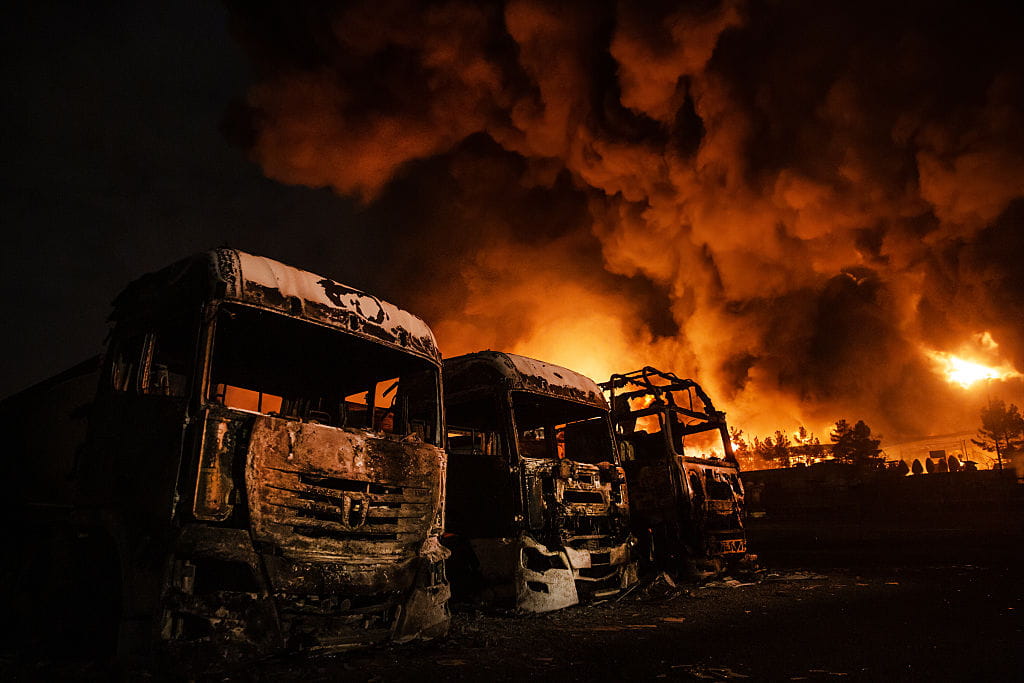
The conflict in Iran has reached its second week, and debate is raging over whether the administration has a clear, realistic approach to ending hostilities while protecting American interests.
As the war in Iran edges closer to its second week, critics in the press quickly labeled the White House as unprepared and chaotic. Reporters repeated the claim that the administration has “no plan.” That sound bite ignores the basics of national security decision-making and the need for secrecy in sensitive operations.
The first thing to say is that planning for military action is layered and adaptive, not a single, public blueprint. Strategy involves calibrated use of force, diplomatic pressure, economic measures, and intelligence work all running at once. Outsiders who demand a line-by-line playbook miss how deterrence actually works.
A responsible Republican stance recognizes the president must be prepared to act decisively while avoiding forever-war outcomes. That means pursuing limited, achievable objectives that degrade Iran’s ability to attack Americans and regional partners without deploying mass ground forces. The goal is to raise costs for hostile behavior and protect American lives and commerce.
Critics in the media treat ambiguity as evidence of failure, but ambiguity is often a tool. Keeping exact tactics and timing confidential prevents adversaries from countering our moves and preserves options for escalation or de-escalation. Public transparency about high-level goals and legal authority can coexist with classified operational details.
Economic pressure and sanctions remain powerful levers that complement kinetic action, and they are central to a credible Republican approach. Targeted sanctions choke off revenue streams for weapons and proxy groups while avoiding the human and fiscal costs of large-scale occupation. Financial and diplomatic pressure also give allies space to join a broader effort.
Regional partnerships matter more in a crisis than many in the Fourth Estate admit. Working with Gulf partners, Israel, and willing NATO members spreads the burden and enhances legitimacy for operations meant to curtail Iran’s regional reach. Coalitions also provide better intelligence sharing and options for nonmilitary measures like port inspections and maritime security patrols.
No strategy is risk-free, and escalation is a real danger that must be managed. That means calibrating responses to strikes and provocations, preparing missile defense and force protection measures, and keeping lines of communication open to prevent misunderstandings. A stubborn insistence on immediate, total victory would be the true roadmap to open-ended conflict.
Legal and political constraints matter, too, but they do not equal paralysis. The administration can seek congressional support while retaining the authority to act in defense of American forces and interests. Republicans who argue for firm but measured action favor clear objectives, a timeline for achieving them, and mechanisms to wind down operations once those objectives are met.
Media narratives that center on chaos and incompetence risk undercutting public confidence in necessary measures to defend the nation. A tough-minded approach acknowledges mistakes and holds leaders accountable, but it also respects the realities of war planning and the need for operational secrecy. Painting every strategic ambiguity as proof of failure is bad reporting and dangerous politics.
At the end of the day, safeguarding Americans and deterring future attacks requires a balanced mix of military pressure, economic isolation, and regional cooperation. The public deserves frank, principled leadership that rejects both rash adventurism and timid retreat. That posture aligns with a Republican view that strength and prudence, not surrender to headlines, should guide policy when stakes are high.

