

This article looks at recent public statements from Democratic figures about illegal immigration and the political choices those comments reveal, focusing on how party priorities shape policy responses and public reaction.
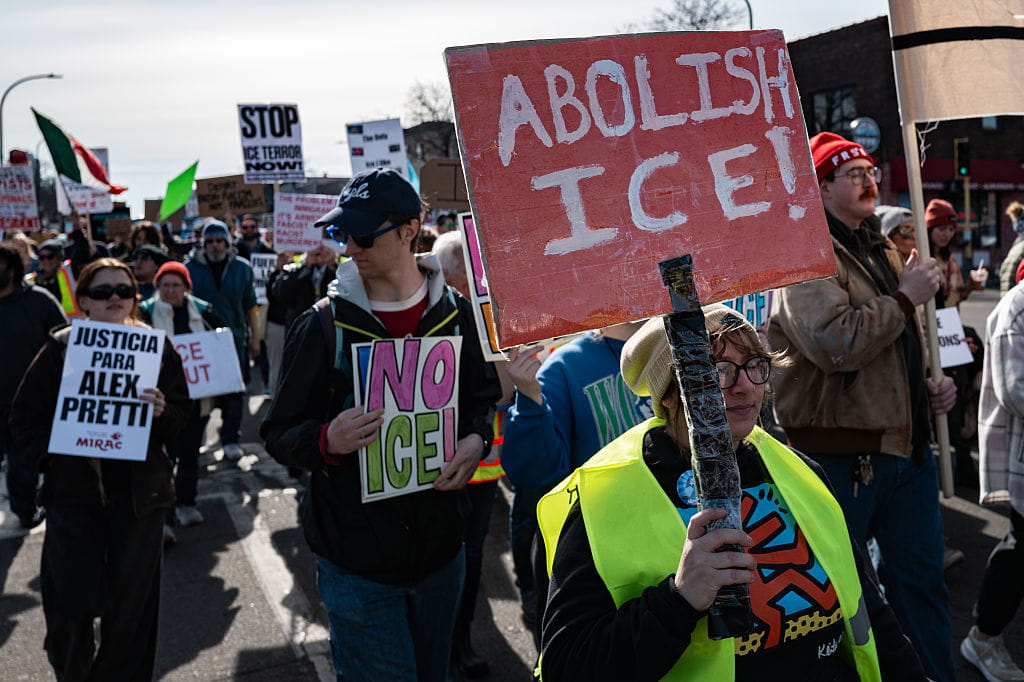
Two high-profile remarks have crystallized a pattern: political survival in the Democratic primary often means saying things that shrug off the real-world effects of illegal immigration on everyday Americans. One of those remarks came from Rep. Angie Craig (D-MN), whose position illustrates how Democratic messaging prioritizes base-friendly rhetoric over border security concerns. The other comment reinforced the same dynamic, suggesting a broader strategic reluctance to confront practical consequences.
From a Republican perspective, these statements are not isolated gaffes but symptoms of an inside-the-Beltway worldview that treats immigration as a political wedge rather than a public-safety and economic challenge. Voters in communities feeling the strain of illegal crossings are left to wonder why their concerns are subordinated to primaries and activist demands. That disconnect fuels anger and makes border enforcement a potent campaign issue for those who promise to restore order and accountability.
Political incentives inside the Democratic coalition help explain the tone and content of these remarks, since primary voters tend to reward candidates who adopt the most progressive posture. Standing out in a crowded primary often requires gestures that appeal to a narrow electoral slice rather than to swing voters or those directly affected by lax enforcement. The result is a stubborn policy gap between headline-friendly rhetoric and practical governance priorities at the state and local level.
Beyond incentives, there is an ideological component that treats immigration primarily as a moral or identity issue, which can minimize talk about consequences like strain on public services, community safety, and labor markets. Republicans argue that policy should start with secure borders and orderly legal channels, because no meaningful reform can work without clear enforcement. That approach frames immigration not as an abstract virtue but as a set of policies with measurable effects on neighborhoods and taxpayers.
Conservative critics also point to the communication problem this creates: when elected officials dismiss or downplay the fallout from illegal entries, they feed the perception that elites are out of touch. That perception strengthens populist currents and voter demand for leaders who will prioritize enforcement and transparent accountability. Messaging that ignores the lived experience of affected communities only widens the political divide and makes common-sense solutions harder to build.
Policy-wise, Republicans push for practical steps that tie legal immigration capacity to enforcement metrics, because they believe a lawful system depends on predictability and consequences. The GOP case emphasizes manpower at ports of entry, streamlined legal pathways, and cooperation with state and local authorities to handle the humanitarian and security aspects of migration. This is sold as realism: managing borders so that legal immigration can flourish without overwhelming the institutions that serve Americans every day.
Electorally, the Arizona-to-Minnesota landscape shows voters care about how leaders balance compassion with control, and they notice when rhetoric seems detached from consequences. Republican candidates will keep highlighting instances where Democratic officials appear tone-deaf on immigration, arguing that competence and respect for the rule of law must come first. That line of attack appeals to a broad set of voters who want both orderly policy and humane treatment for those who come through lawful channels.

