

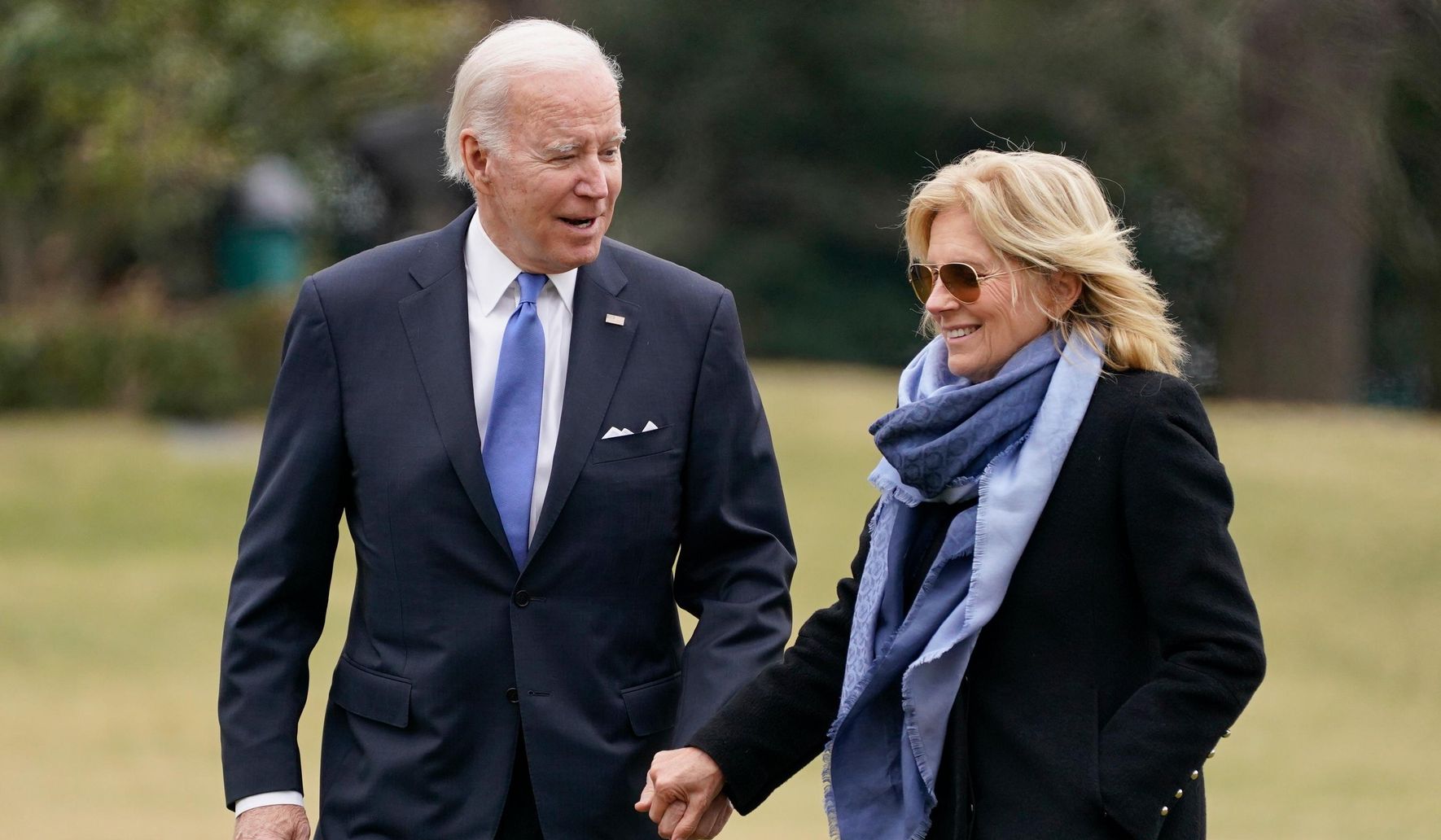
Former first lady Jill Biden is preparing to share her side of the story about former President Joseph R. Biden’s abrupt decision to halt his 2024 reelection bid, a choice reportedly made under pressure from others within his circle, and her forthcoming account will add another political layer to a turbulent moment in recent history.
Jill Biden’s forthcoming account promises a personal look at a dramatic political pivot that left voters and party leaders scrambling. From a Republican perspective, the timing and handling of that decision raise serious questions about leadership, transparency, and accountability.
The choice to bow out of a reelection campaign in the middle of a term is almost unheard-of in modern presidential politics. Republicans argue that voters deserve clear explanations when a presidency ends a bid so suddenly, and a memoir from the first lady will be judged on how candid and specific it is.
Republicans have already framed the episode as emblematic of broader issues with the administration’s internal decision-making. They see opportunities to press for documents, testimony, and timelines that clarify who urged the withdrawal and why those voices carried the day over voters’ expectations.
Jill Biden’s perspective could confirm what critics suspect about pressure from inside the party apparatus and from close advisers. If her book lays out concrete meetings, memos, or conversations, Republicans will use that material to argue that the American people were sidelined during a consequential decision.
Beyond the immediate political fallout, the memoir will feed into longer-term debates about norms and succession planning. Conservatives worry that precedent matters: allowing opaque pressure to trigger a presidential retreat risks normalizing behind-the-scenes power plays that voters never approved.
Republican commentators are likely to dissect every anecdote and timestamp offered in the book, looking for inconsistencies and evidence that could justify further oversight. That scrutiny will focus on whether elected officials or unelected advisers effectively removed a candidate from a national political contest without direct voter consent.
The first lady’s narrative will also intersect with legal and congressional avenues, as lawmakers may pursue subpoenas or hearings to fill gaps the memoir leaves open. From a Republican standpoint, memoirs help set the public record, but they are no substitute for sworn testimony and documentary proof.
Political operatives on the right will watch how the memoir plays with swing voters and independent-minded Americans. A sympathetic, honest portrayal might soften partisan critique, but anything that suggests secrecy or coercion will harden Republican calls for accountability and reforms to party processes.
Finally, the timing of the release will matter. If the book arrives during a campaign season or just ahead of important votes, Republicans will argue that the revelations could influence outcomes and should be evaluated with care. Whatever the content, the memoir will not be seen in a vacuum; it will be another piece in an ongoing debate about leadership, responsibility, and the public’s right to know.

