

Quick summary: this article explains how conflict in the Middle East is driving gas prices higher, quotes Energy Secretary Chris Wright on the short-term outlook, examines the market and policy fallout, and frames the situation from a Republican perspective focused on energy security and taxpayer impact.
Energy Secretary Chris Wright said Sunday that Americans will likely have to deal with a few more weeks of high gas prices due to the U.S.-Israel war against Iran. That blunt admission matters because it frames expectations at the federal level while families and businesses face sticker shock at the pump. When a top official signals a prolonged price disruption, it forces a political and economic reckoning. The timing bumps up against spring travel and heating season in parts of the country.
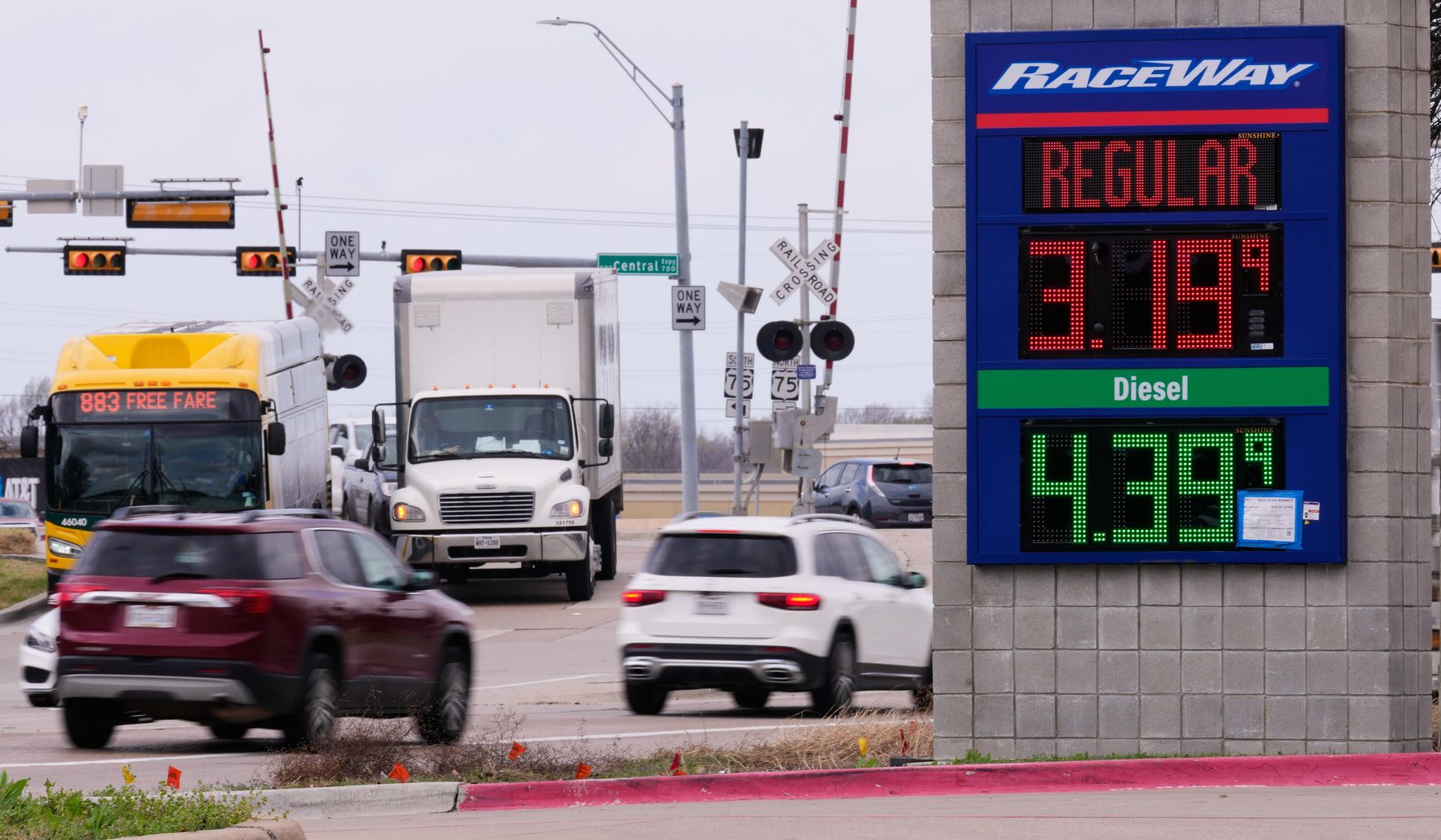
Prices on the street are an immediate problem for working Americans who pay out of pocket every time they drive to work or haul kids to school. Even modest increases bite into household budgets and slow small business activity. Republican commentary tends to focus on the lived reality of higher energy costs and the need for realistic, timely responses that protect families. This moment highlights the gap between administration assurances and what people actually see at the pump.
Market mechanics matter in the short run, and the threat of supply interruptions pushes futures up quickly. Traders price in risk and the insurance cost shows up at the pump for ordinary drivers. That is why the conversation cannot just be about blaming foreign actors, even though Iran’s actions are the proximate cause of the current spike. Conservatives argue the right response is to reduce vulnerability, not expand dependence on unstable regions.
There is a long history of policy choices that shape our energy resilience, and Democrats in power bear responsibility for decisions that leave the nation exposed. Regulatory hurdles, inconsistent permitting, and a hostile investment climate slow domestic production and refinery upgrades. From a Republican viewpoint, strengthening American energy production is the most reliable path to shield consumers when foreign conflicts flare up. Energy independence is not abstract when families are stretched thin by higher fuel costs.
On the diplomatic and defense side, deterrence and clear signaling to adversaries are essential. Weak or muddled policy invites risk and adds a premium to energy markets. Republicans argue that competent, forceful policy reduces the chance that a regional skirmish becomes a sustained supply shock. At the same time, elected leaders must be honest about the near-term reality so households can plan accordingly.
Strategic reserves and stockpiles have a role as a bridge, but they are finite and cannot substitute for consistent domestic capacity. Using reserves smartly can blunt a temporary spike, yet it does not fix the underlying exposure to global disruptions. That’s why conservatives emphasize permitting reform and incentives that encourage investment in American production, refining, and transport infrastructure. Those steps lower risk over time and reduce the chance of repeated price spikes tied to foreign events.
Higher gasoline costs also ripple through the economy by raising the price of goods and services that rely on transportation. Farmers, truckers, and manufacturers feel the squeeze and often pass the costs on to consumers. When policy debates focus on narrow price signals without addressing the broader supply chain, the result is more pain for average Americans. Republican messaging highlights the need to keep markets functioning and production growing at home.
Political consequences are real and fast. Voters register immediate frustration with higher prices, and that translates into pressure on incumbents to show results. Republicans tend to spotlight the contrast between rhetoric and outcomes, arguing that policies which prioritize domestic energy over bureaucracy deliver more reliable relief. The debate over blame is less useful to families than concrete steps that stabilize supply.
Energy companies and investors watch government signals closely, and clarity encourages capacity expansion and maintenance. Regulatory certainty lowers costs and brings investment that creates jobs, boosts production, and ultimately lowers consumer prices. Republicans favor market-driven solutions supported by streamlined, predictable rules rather than frequent policy whiplash that scares off capital. That argument gains force when prices spike due to foreign conflicts.
While markets may settle once the immediate geopolitical flare-up cools, the structural lesson remains: dependence on distant, volatile suppliers exposes Americans to price shocks. Building resilient domestic energy systems mitigates those shocks and keeps more money in American pockets. Republicans argue this is both commonsense economics and responsible governance in a dangerous world.
In the coming weeks, households will be watching pump prices and federal statements, with policy debates intensifying in Washington. The practical question is which policies will reduce exposure and stabilize costs without creating new vulnerabilities. The Republican stance centers on bolstering American energy output, fixing bottlenecks, and making sure families are not the ones paying the price for foreign wars.
Expect the political back-and-forth to continue as markets react and officials update projections. For many voters the issue is simple and immediate: can government keep energy affordable and secure so people can get to work and keep their budgets intact. The answers will shape both policy and public confidence long after the headlines move on.

