

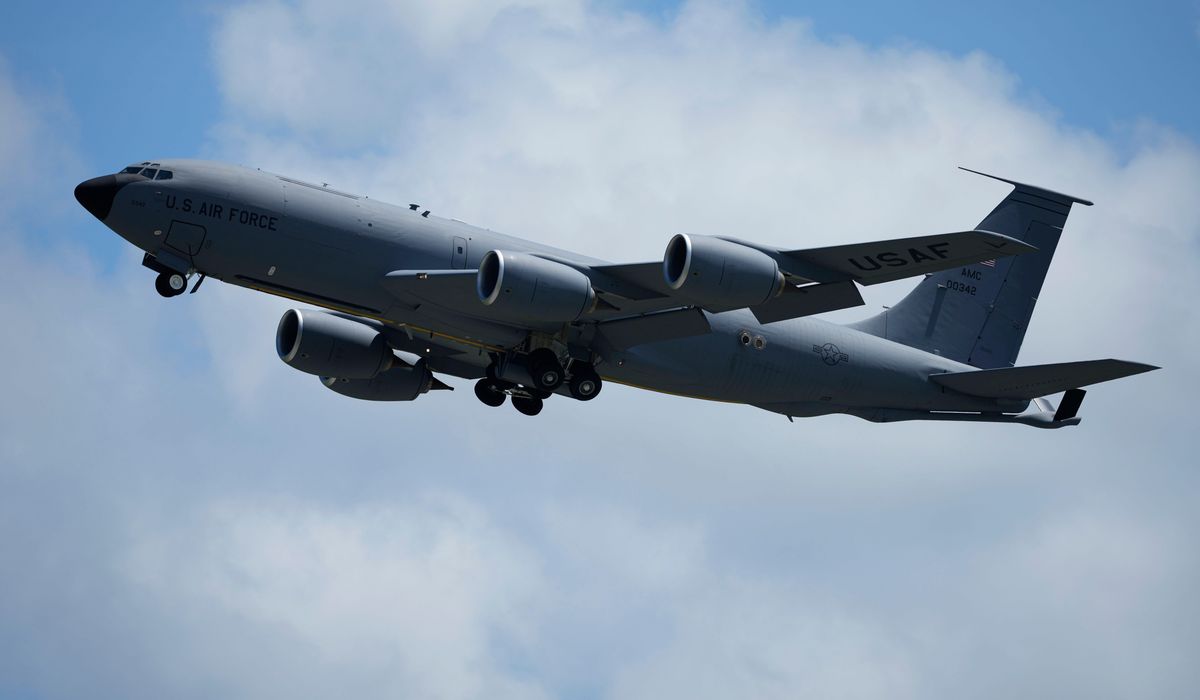
Six U.S. service members died when a refueling plane crashed in western Iraq, and among them was a woman raising two children; the loss has opened questions about strategy, readiness, and how we protect troops in the widening conflict with Iran.
A woman raising two children was among the six U.S. service members killed last week when a refueling plane involved in the war with Iran crashed in western Iraq. That single sentence carries the human toll and the military angle in one breath, and it should give any responsible leader pause. Families have been thrown into grief and uncertainty while the facts about the crash are still emerging.
The aircraft was on a refueling mission tied to operations in the region, and refueling flights are a routine but critical part of how we project power. Those missions keep fighter jets and surveillance planes aloft, so when they are interrupted the whole chain of operations feels it. Losing six service members at once is a rare and painful blow to unit readiness and morale.
An immediate priority is a thorough, transparent investigation to determine cause and accountability, and Republicans in Congress will press for answers that go beyond platitudes. We need clear findings about maintenance, intelligence, weather, hostile action, and command decisions. Families deserve straight facts, not delays or euphemisms.
This incident also exposes the broader risk of an expanding conflict with Iran, where ambiguous rules of engagement and shifting objectives put forces in harm’s way. When policy lacks clarity, commanders and troops face unnecessary danger. A robust deterrent means making the enemy pay a clear price while avoiding open-ended commitments that cost American lives without defined goals.
On readiness, the crash raises questions about logistics and equipment lifecycles that must be addressed immediately. Aircraft operating in austere environments demand top maintenance and supply chains that can respond in a crisis. If gaps are found, Congress should fund fixes and leadership must implement reforms without delay.
There is also a moral obligation to support the families left behind, and Republicans will emphasize tangible assistance, survivor benefits, and clear pathways for long term care. A woman raising two children who gave her life for the mission deserves predictable support for her family. Beyond money, commanders should ensure families get timely information and counseling.
The political angle is unavoidable because the administration sets the strategy and posture that put those service members in the field. Republicans will argue that mixed messaging and vague objectives invite escalation while failing to deter the enemy. Voters deserve honest debate about what the mission is and how success will be measured.
Looking at regional posture, partners and bases must be reassessed so troops are not needlessly exposed to known threats. Force dispersion, hardened basing, and better ISR can reduce vulnerability. America’s military edge depends on practical measures as much as on bravado.
Any hostile action linked to Iran or its proxies must be met with calibrated responses that restore deterrence, not with limping statements of regret. Deterrence comes from consistent consequences that make future attacks unattractive. Leadership should plan responses that protect civilians and avoid mission creep.
Domestically, Congress will weigh hearings and oversight to ensure the Department of Defense is preparing correctly for this new phase of conflict. Accountability means oversight of both tactical decisions and strategic direction. Lawmakers must use their authority to demand reforms where needed.
The loss of six service members also affects recruitment and retention, and failing to address causes will deepen personnel shortfalls. Young Americans and their families watch how the country treats its military and respond accordingly. Maintaining a volunteer force requires clear purpose, good equipment, and visible commitment to their safety.
Public messaging must respect the fallen and their families while avoiding politicized spin that erodes trust. Republicans will press for honest, plain language that explains risks and the measures taken to mitigate them. Voters want realism, not cheerleading.
Finally, this crash should catalyze a sober reassessment of how the United States wages limited conflicts far from home. Tactical choices on the ground flow from strategy in Washington, and leaders must align means with ends. Americans expect policymakers to act with clarity and to honor the sacrifices made by service members and their families.

