

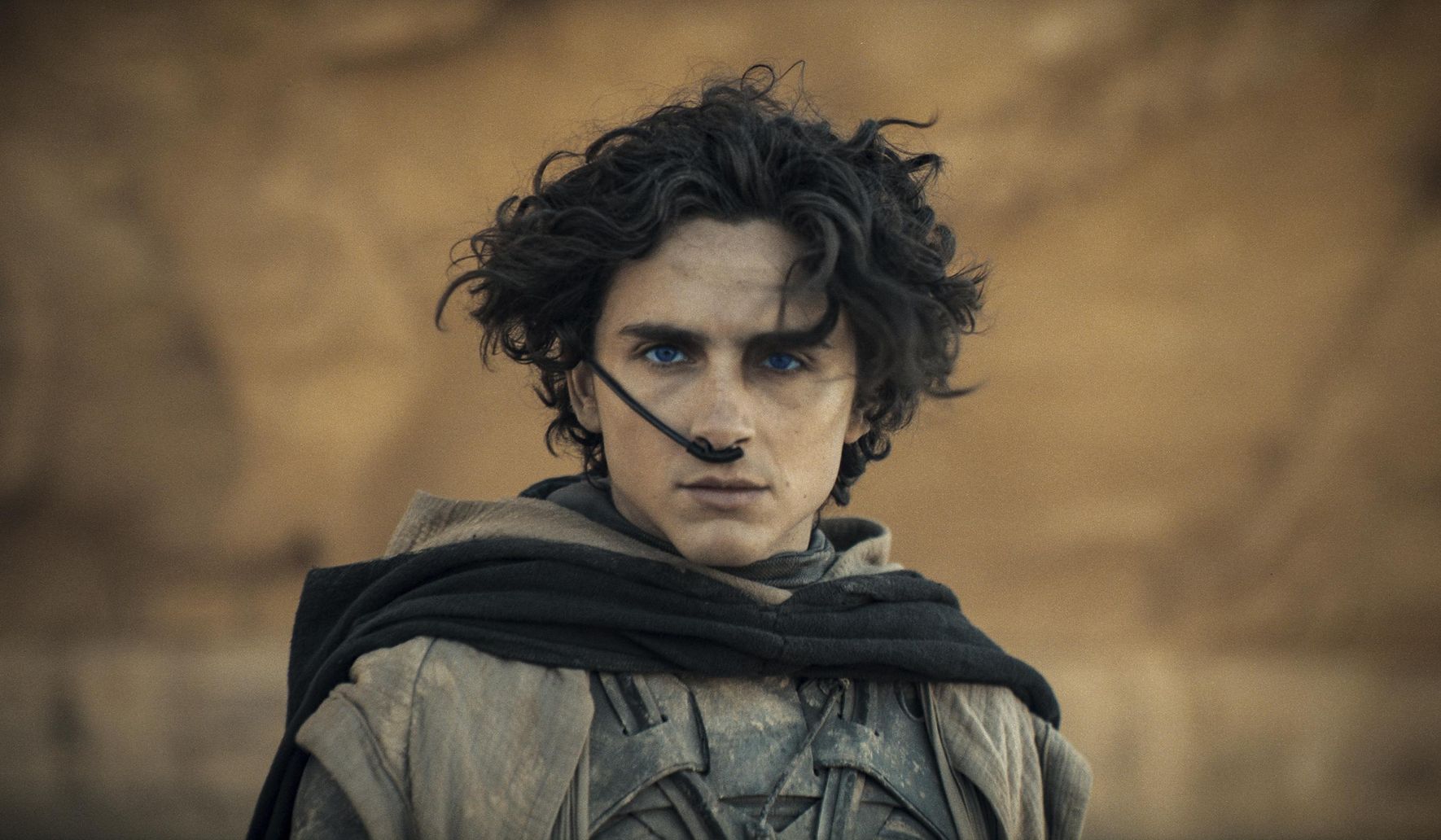
The first teaser for “Dune: Part Three” has arrived, a new “Spider-Man” movie is kicking off its marketing, and Hollywood’s momentum machine keeps turning with more studio moves and franchise noise.
The teaser for “Dune: Part Three” has surfaced, offering a quick, atmospheric look that reminds viewers why the saga attracts attention. It leans into broad visuals and mood over plot, hinting at the scope the filmmakers are promising. That sort of early tease sets expectations while keeping specifics under wraps.
Meanwhile, the new “Spider-Man” movie has begun its marketing campaign, rolling out initial assets to build awareness and shape fan conversation. Studios often use that opening burst to control the narrative and plant hooks for later reveals. For a franchise like Spider-Man, the challenge is balancing nostalgia with novelty so longtime fans stay engaged and newcomers can jump in.
These two moves reflect a familiar pattern: big tentpole films arrive with graduated reveals that stretch from teaser to trailer to full trailers over months. Each stage is engineered to maintain momentum and to measure audience response without giving everything away. The teaser remains a tool to tease tone and scale rather than story beats.
Fans react quickly on social platforms, amplifying clips, stills, and speculation within hours of an official drop. That conversation becomes free marketing and a rapid feedback loop for studios trying to gauge what sticks. Social debate can shift focus toward favorite characters, memorable images, or unexpected creative choices.
There is also a strategic element in what trailers show and what they hide. Teasers often highlight emotion, music, and cinematic composition to suggest stakes while saving plot revelations for later. The choice to reveal certain moments can be a bargaining chip meant to preserve surprises for theatrical release and to protect audience experience.
Merchandising and cross-promotions follow quickly, with studios lining up partners for action figures, apparel, and tie-in experiences weeks or months after a teaser. That commercial cadence keeps a title in the public eye and creates additional revenue streams before tickets go on sale. For franchises, those brand deals help underwrite the expensive campaigns that send people to theaters.
Streaming windows and box-office strategies are changing how studios schedule these marketing pushes. Some properties are built for a theatrical event, which means a focused, high-impact ad cycle. Others aim to live longer on streaming platforms, prompting a slower burn of trailers and content to keep the title discoverable over time.
All of this plays into audience expectations and the broader cultural conversation that surrounds major releases. Teasers and early marketing don’t just sell tickets. They shape how viewers will talk about a movie long before the opening weekend. That conversation can lift or hurt a title depending on timing and the audience’s reaction.
For franchises like “Dune” and “Spider-Man,” each new teaser and campaign entry is also a statement about tone and ambition. Filmmakers use early material to promise an experience, and studios use it to marshal fans and partners. The real test comes when the film is released and the market’s early excitement meets the finished product.
Expect more incremental reveals as the marketing plans unfold, with the usual mix of spectacle, image-driven moments, and carefully timed surprises. Each step is designed to keep headlines rolling and to make the eventual release feel like an event. In the meantime, the teaser drops and campaign launches are the signals that a new chapter in these franchises is officially underway.

