

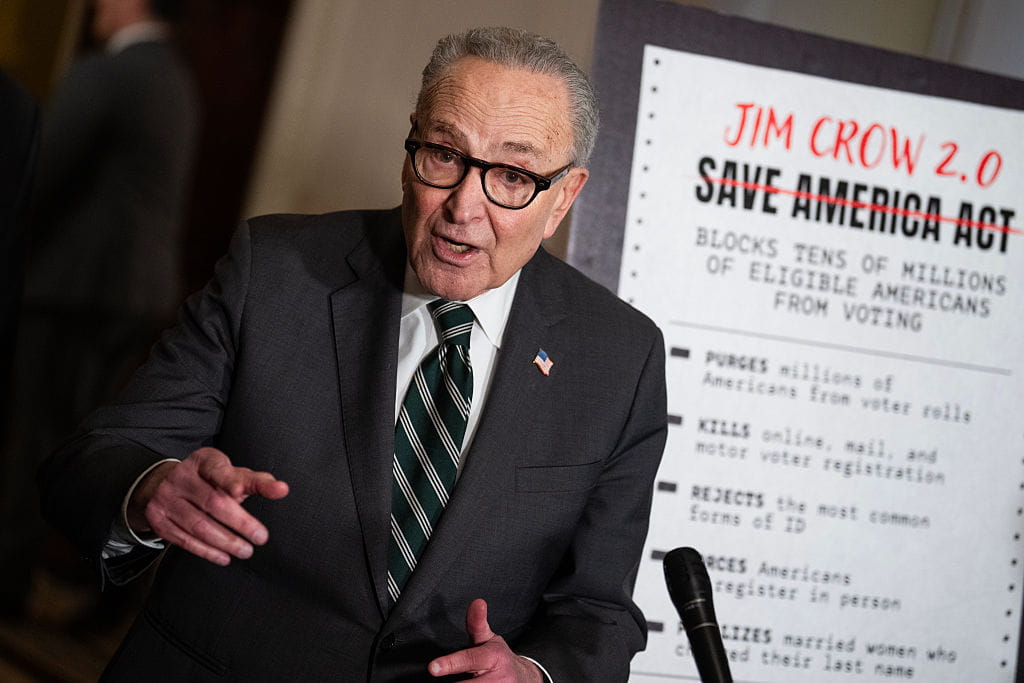
The Senate is deadlocked over the SAVE America Act, and bill sponsor Mike Lee (R-UT) says he will keep pushing debate until it passes. The standoff shows how high the stakes are for lawmakers who view this measure as central to their agenda and for those who worry about its consequences.
Republican senators who back the SAVE America Act see it as a necessary step to advance priorities voters sent them to Washington to deliver. They argue the bill is a clear statement of conservative policy and a test of whether the party will stand firm on its principles. That resolve is why Mike Lee has signaled he will not let the issue fade from the floor.
But not every senator shares the same appetite for confrontation, and that split is the core reason progress has stalled. Some members fear the political or operational fallout from pressing forward without broader consensus. Others believe targeted negotiation will yield results that better protect the party in upcoming elections.
For Lee and his allies, delay is not acceptable when what they view as important reforms hang in the balance. They see prolonged talks and compromise as a path to dilution, so continuing debate is both a tactic and a message. That posture is meant to force clarity about who will support conservative change and who will not.
The procedural reality of the Senate complicates ambitions, since rules and filibuster threats can stall legislation even when leadership wants to move. That creates a tense environment where every amendment, speech, and vote is part of a larger chess match. Given that context, Lee’s vow to keep debating is a strategic push to simplify choices for his colleagues and the public.
Political optics matter, and supporters want to make the choice visible to voters rather than letting decisions happen in private caucus rooms. The argument is straightforward: bringing the bill back into debate forces lawmakers to take public positions. For many conservatives, that kind of accountability is a feature, not a bug.
Opponents caution that raw confrontation can fracture the Senate majority and distract from other priorities like oversight, budget work, and constituent services. They warn that forcing a high-stakes vote with little consensus risks creating a political loss that reverberates down ticket. Those concerns fuel calls for more negotiation rather than all-out floor fights.
Meanwhile, grassroots activists and donors are watching closely and signaling their own preferences, which can amplify pressure on senators in key states. That outside engagement compels senators to weigh electoral consequences as they assess the merits of continued debate. The dynamic means the fight is not purely ideological; it is also tactical and electoral.
Lee’s persistence will test the cohesion of the Republican conference and set a tone for how future disputes are handled. If he succeeds in keeping the debate alive until pressure builds for a vote, it could reshape expectations about how bold the party will be on major proposals. If the effort stalls, it will expose the limits of brinkmanship and the need for clearer consensus-building strategies.

