

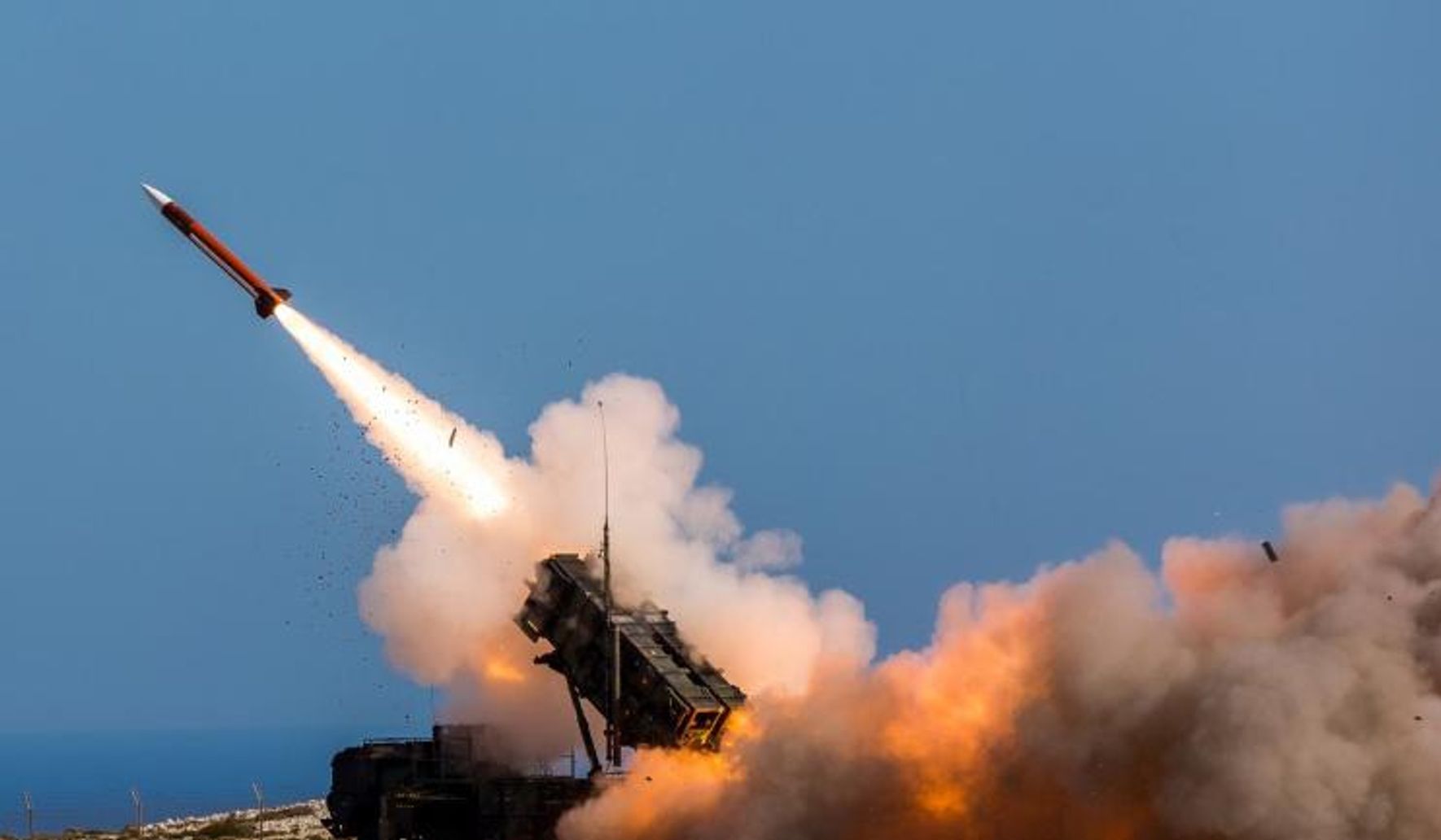
Pentagon leaders warned Tuesday that low-cost alternatives to the multimillion-dollar missiles the U.S. is using in its war against Iran are still years away, and that reality keeps the military dependent on expensive interceptors and air defenses that strain budgets and inventories.
The Pentagon’s message is blunt: replacements that cut the cost per engagement are not ready to scale. That forces commanders to keep spending on established missile systems, even as threats evolve and operational tempo increases. For policy makers, that means balancing readiness against fiscal pressure while the hunt for cheaper options continues.
Costs matter on and off the battlefield, and a single interception can cost as much as the ordnance it destroys. Lawmakers and defense officials have repeatedly pointed out how expensive modern interceptor missiles are compared with the tactical threats they face. Those dynamics push procurement planners to prioritize supplies, sustainment, and production lines for tried and tested systems.
Developing lower-cost interceptors is not just a matter of design. It touches manufacturing capacity, supply chains, and test regimes that can stretch for years. New concepts need rigorous testing against realistic threats, and industry must be ready to build them in useful numbers. That lag in industrial conversion is one of the main reasons officials say affordable options remain distant.
There is also a technical gap to bridge between elegant prototypes and combat-ready weapons that commanders can trust. Prototypes may demonstrate promising capability, but they often lack the reliability and integration pedigree required for frontline use. Fielding at scale requires integration with sensors, command systems, and logistics, which all add time and cost.
Meanwhile, the U.S. must manage inventories of high-value interceptors to avoid depletion in a prolonged shooting war. That requires prioritizing which threats get the expensive shots and when to use lower-cost munitions where they exist. Decision makers face uncomfortable trade-offs when the cheapest option on the shelf is still a multimillion-dollar missile.
Allied cooperation can help, but partners face similar constraints. Shared logistics, pooled procurement, and coordinated production lines can make a difference over the long haul, yet they do not erase the near-term shortfall. Each country brings different industrial strengths, and aligning programs takes political will and funding stability.
Budget plans must reflect the reality that current systems will carry the load for years to come. That means continued investment in sustainment, stockpiles, and upgrades to keep those systems effective. At the same time, targeted funding for accelerated development of affordable interceptors can reduce future costs if programs are executed cleanly.
Operational concepts are evolving to make the most of available munitions, using layered defenses and complementary sensors to reduce per-engagement expense. Commanders are experimenting with tactics that force adversaries to reveal intentions earlier, allowing more measured and potentially cheaper responses. Those tactics can buy time while procurement catches up.
The challenge is not purely financial. Strategic clarity and prioritized requirements are essential to guide industry toward viable low-cost options. Clear briefs from defense leaders about acceptable performance and cost trade-offs speed development by focusing engineers on achievable targets. Without that direction, programs risk producing expensive toys rather than affordable tools.
In short, officials say the answers are on the horizon but not within immediate reach, and practical considerations keep the military reliant on expensive interceptors for now. That status quo shapes both operations and budgets, and it will guide decisions until lower-cost alternatives prove themselves in rigorous service trials and production ramps.

