

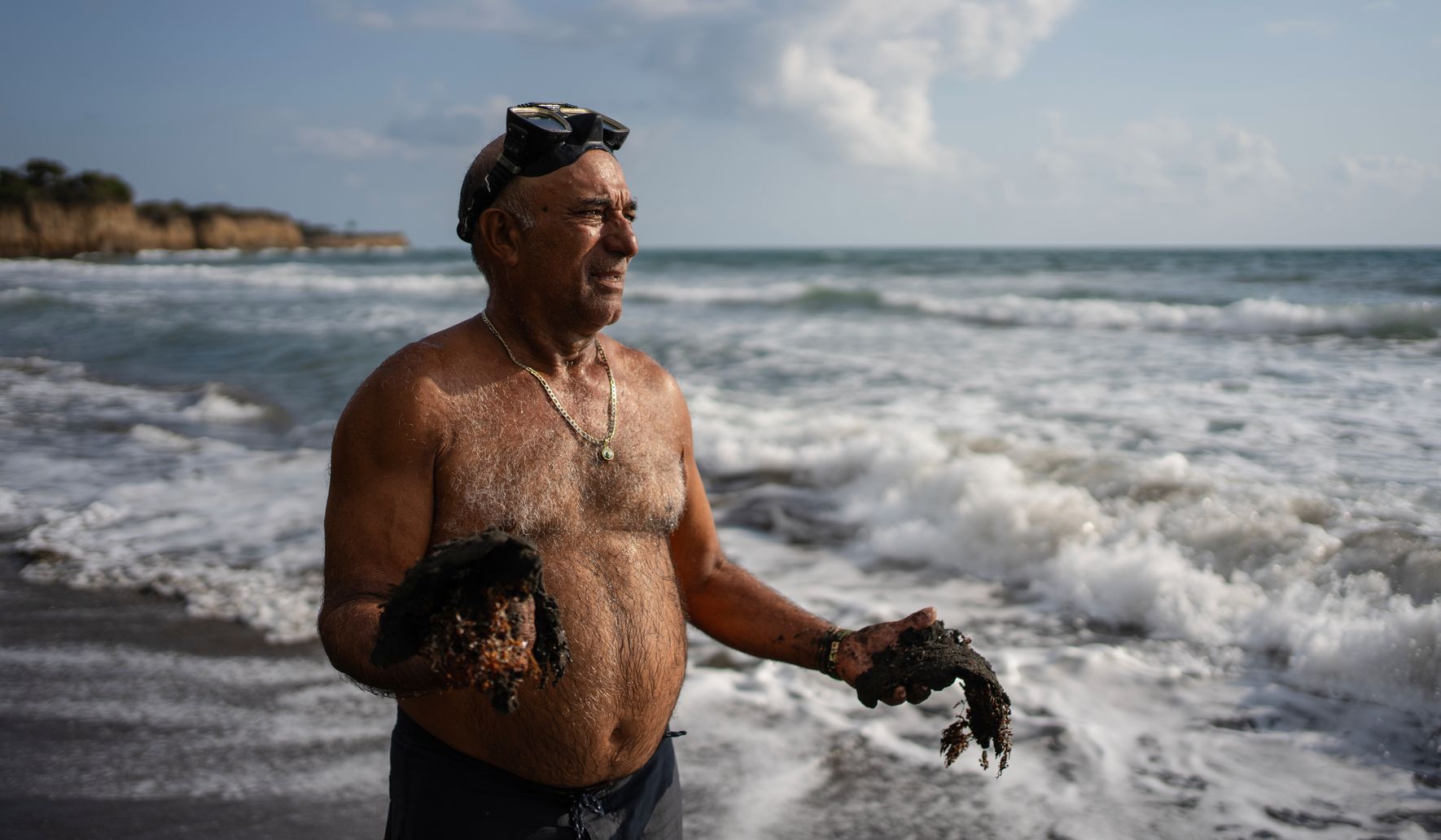
An oil spill that began in the Gulf of Mexico in early March spread across a vast area, reached protected nature reserves, and left authorities scrambling to find the source while cleanup crews race to limit long-term damage.
An oil spill in the Gulf of Mexico in early March spread more than 600 kilometers (373 miles), including to seven nature reserves, and originated from a vessel yet to be identified and two “natur” . The scale of the slick forced rapid response from local and regional officials as oil moved with currents and wind, washing into sensitive coastal habitats. Observers described striking scenes of tarry sheen and scattered tarballs along shorelines that are normally quiet and ecologically rich.
Scientists and conservationists warn that even small concentrations of oil can harm birds, sea turtles, and the marsh plants that stabilize shorelines. When oil reaches mangroves, seagrass beds, or marshland, recovery can take years because those habitats are slow to regenerate. The immediate visible damage is worrying, but the invisible impacts—on reproduction, food chains, and water quality—often show up later and last longer.
Cleanup teams face a handful of practical problems: tracking thin sheens over hundreds of miles, protecting fragile reserves without causing more harm, and deciding when and whether to use dispersants. Dispersants break oil into smaller droplets but move contamination into the water column, which can harm fish and invertebrates. Mechanical recovery, booming and skimming, and careful shoreline cleaning are slower and labor intensive, especially where access is limited by protected status.
Because the spill appears to have come from a vessel that has not been identified, investigators are combing satellite imagery, maritime traffic records, and eyewitness reports to trace the source. International and national maritime rules require reporting and cooperation, but gaps in tracking and enforcement can slow accountability. If a responsible party is found, legal claims and cleanup costs will follow, adding a layer of complexity to environmental recovery.
Local fishermen and coastal businesses feel the immediate economic pain when oil reaches fishing grounds or popular beaches. Even short-term contamination can prompt fishing closures and scare off tourists for a season, hitting small communities especially hard. Recovery support typically includes compensation schemes and emergency aid, but those take time to set up and rarely make up for the full economic drag.
Experts rely on a mix of remote sensing, aerial surveys, and oceanographic models to predict where oil will travel after a spill. Currents, tides, wind, and temperature all shape the slick’s path, and the Gulf’s loop currents can carry contamination far from an origin point in day-to-day patterns. That helps explain how oil managed to spread over the 600-kilometer range observers reported, complicating containment efforts and broadening the footprint of affected reserves.
Civic groups, volunteer networks, and local authorities often step in to assist shore cleanup and wildlife rescue efforts, but they need coordination and clear guidance to avoid doing more harm than good. Untrained volunteers can damage nesting sites or mishandle contaminated wildlife without proper equipment and protocols. Officials usually set up triage centers for oiled animals and staging areas for trained responders, but resources are often stretched thin during major incidents.
Long-term monitoring will be crucial to understand the lasting effects of this spill on both ecosystems and coastal communities. Recovery plans take years to unfold, with scientific surveys tracking recovery and managers adjusting actions as new data appears. Meanwhile the search for the vessel and the cause continues, and the next steps—removal, restoration, and enforcement—will determine whether the damage is contained or becomes a prolonged regional crisis.

