

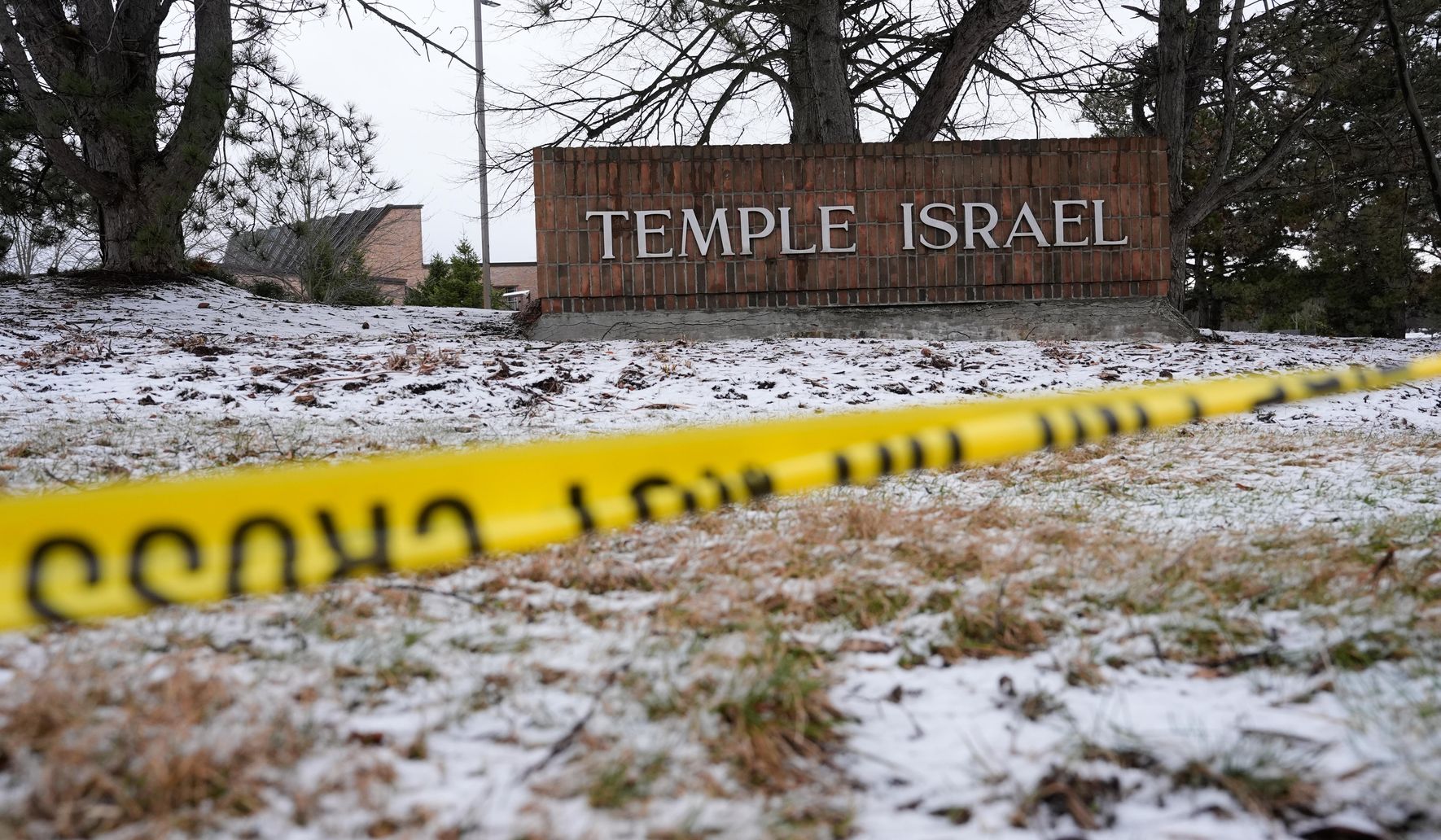
An armed man drove a pickup truck into a major Detroit-area synagogue earlier in March and, according to investigators, was inspired by the Iran-backed militant group Hezbollah and sought to inflict as much damage as he could.
The incident unfolded earlier in March when an armed man crashed his pickup into a prominent Detroit-area synagogue. Local authorities say the attacker was influenced by Hezbollah, an Iran-backed militant group, and aimed to cause significant harm to the building and the people connected to it. The crash itself was the most visible act, but the motives reported by investigators have raised broader alarms about ideological influence and targeted violence.
The synagogue community was shaken by the event, confronting both the physical damage and the emotional fallout that follows an intentional attack. Worshippers and staff were forced to reckon with a sudden breach of safety in a space meant for prayer and gathering. Even without detailed public updates on injuries or arrests, the psychological impact reverberates through regular routines and communal trust.
Law enforcement agencies typically handle these cases by coordinating local, state, and federal resources to determine motive and any wider networks. When an attacker is described as inspired by an international militant group, investigators often widen the probe to include potential digital influences and communications. That process can include forensic analysis of devices, social media activity, and travel or financial records when available and relevant.
The reported link to Hezbollah adds a layer of geopolitical concern, since that organization is tied to Iran and has been implicated in regional conflicts and overseas operations. References to foreign-backed groups often prompt questions about how extremist ideas cross borders and find purchase in individuals at home. Experts in violent radicalization note that inspiration can come from propaganda, online content, or personal connections without formal operational ties.
Religious institutions are among the places that can become symbolic targets for ideologically motivated attackers, and synagogues have faced threats and violence at various times. This reality pushes congregations to evaluate security measures, from visible precautions like locks and cameras to quieter practices involving access control and emergency plans. Security upgrades can be costly and emotionally fraught, but many communities see them as necessary steps to protect people and preserve the ability to gather.
Community leaders and local officials often emphasize resilience after such shocks, balancing the need for vigilance with the desire not to live in fear. Religious services and community programs usually continue, though with heightened awareness and sometimes altered routines. Support systems within and beyond the congregation—counselors, interfaith partners, and civic groups—play a role in helping people process what happened and plan next steps.
Public conversations after incidents like this tend to cover several strands: the immediate facts of the attack, the legal path forward, the role of extremist ideologies, and the supportive work needed for survivors and witnesses. Lawmakers and officials may discuss policy implications, but on the ground the focus is often more pragmatic—repairing damage, ensuring safety, and keeping people connected. These practical responses matter day to day as much as larger debates do.
Investigations that cite foreign influence also provoke discussion about online platforms and how they regulate extremist content. Analysts point out that content shaped by militant groups can be adapted and amplified in ways that reach vulnerable individuals. Efforts to counter that influence generally include community outreach, digital literacy programs, and targeted enforcement against clear criminal activity.
For the individuals and families tied to the synagogue, recovery involves both rebuilding the physical space and restoring a sense of normalcy. Volunteers and local organizations often step forward to help with repairs, fundraising, and emotional support. Even so, the memory of a deliberate attack lingers, and rebuilding trust can take time and continuous attention.
The case in the Detroit area sits within a wider pattern of incidents prompting renewed attention to safety at places of worship and the pathways to violent extremism. Authorities, community leaders, and experts will likely continue to monitor developments and seek ways to reduce risk while preserving open, welcoming spaces. Meanwhile, the immediate aftermath is focused on healing, accountability, and practical steps to prevent future harm.

