

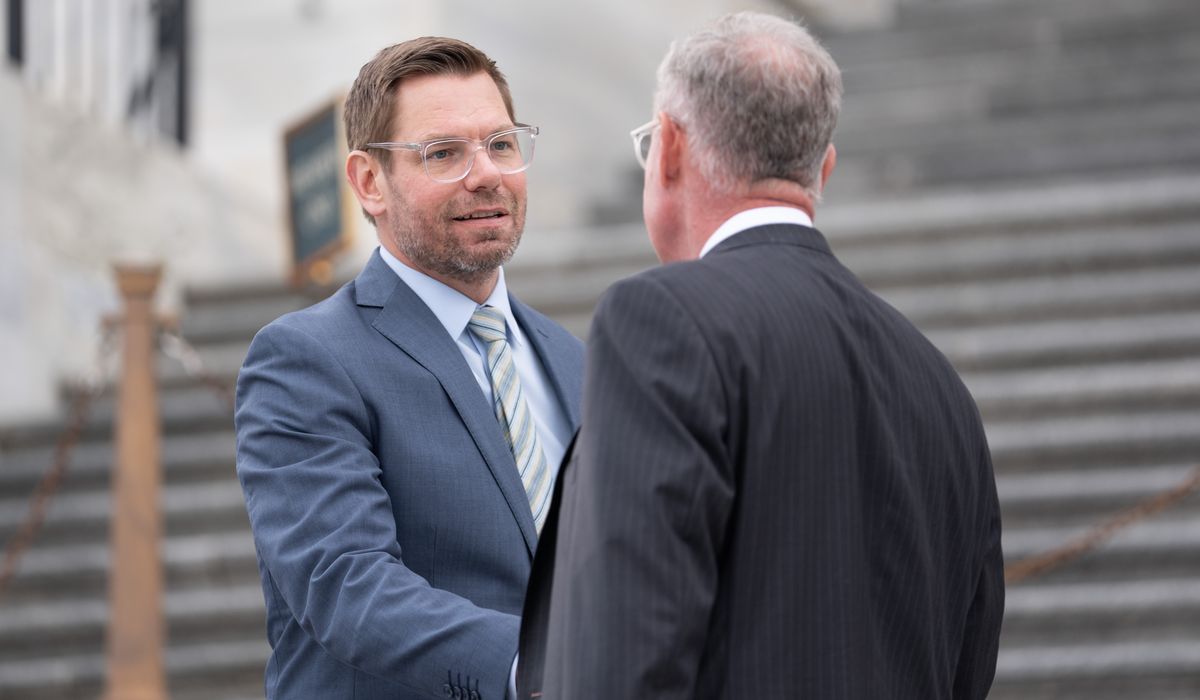
Lawyers for Rep. Eric Swalwell demanded Monday that FBI Director Kash Patel immediately end any effort to release records from a decade-old investigation involving the California Democrat and a suspected foreign intelligence operative, arguing that disclosure would be improper and harmful to privacy.
The dispute centers on documents from an FBI probe roughly ten years old that examined contacts between Rep. Eric Swalwell and an individual later described by officials as a suspected foreign intelligence operative. Swalwell’s legal team says turning over investigative files now would violate long-standing protections and could be used as political ammunition. They delivered a formal demand to Kash Patel, who has been associated with efforts to review and potentially declassify old investigative material.
Republicans pressing for release frame the records as a transparency issue, arguing voters deserve the full context about elected officials who served on sensitive committees. From that perspective, the public interest in oversight is straightforward: any hint of foreign influence or lapses by lawmakers must be examined and understood. Supporters of disclosure say the decade-old timing should not shield elected officials from scrutiny, especially when national security could be implicated.
Swalwell’s team disputes that characterization and emphasizes legal protections that can prevent routine disclosure of federal investigative files. Their demand calls on Patel to halt any effort to share interview notes, witness statements, or other material tied to the inquiry. They warn that releasing such material without a clear legal basis risks chilling cooperation with law enforcement and exposing private information without due process.
Kash Patel’s involvement in the matter has drawn partisan attention because his work at the Justice Department and elsewhere has centered on reviewing old probes for potential biases or improper handling. Conservatives argue Patel’s review is an overdue step to uncover whether cases involving national security and foreign influence were handled properly. They contend that a transparent accounting of past probes will bolster confidence in institutions if the material is made available through appropriate channels.
Legal experts note there are several hurdles before any documents can be released, including routine privacy protections, grand jury secrecy rules, and policies that guard ongoing law enforcement techniques. Those protections can be waived or lifted in narrow circumstances, but doing so typically requires careful legal work and, in some cases, court approval. Swalwell’s lawyers lean on those safeguards to argue the files should remain sealed unless a clear legal standard for disclosure is met.
The political stakes are real because Swalwell once sat on committees that oversee intelligence and national security, which gives the story an immediate partisan edge. Republicans see an opportunity to raise questions about access, influence, and vetting of lawmakers who make decisions about the nation’s defenses. Democrats counter that reopening old matters without cause is a political ploy designed to damage reputations and distract from current policy debates.
Beyond politics, the situation raises practical questions about how to handle historical FBI files that touch public figures. Agencies must balance disclosure against harm, making case-by-case decisions that weigh privacy, national security, and the public’s right to know. That balancing act will shape what, if anything, emerges from Patel’s review and whether any material becomes part of the public record.
Whatever the legal outcome, both sides are signaling they intend to fight hard over process and optics, and the clash will likely play out in letters, hearings, and public statements. For now, Swalwell’s demand is a clear attempt to put a stop to release plans, while Patel’s allies argue that careful, lawful disclosure serves voters and oversight responsibilities. The next moves will come from legal counsels, DOJ procedures, and potentially the courts as each side tests the limits of disclosure and protection.

