

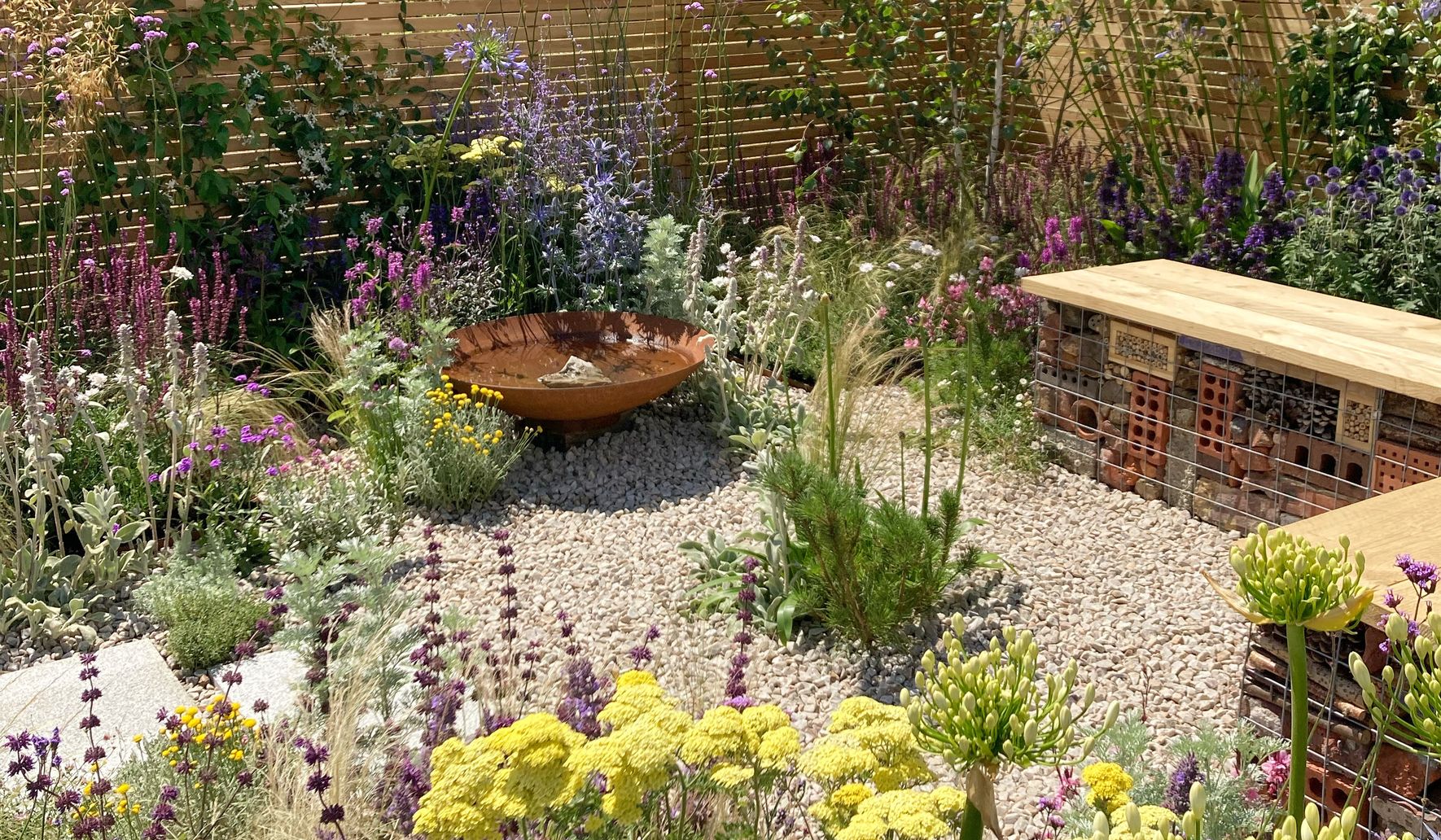
Gravel gardens are compact, low-water landscapes that cut maintenance and handle poor drainage while reflecting a simple, resilient approach to planting.
Gravel gardens started in landscapes where fire and drought shaped plant choices, but they have moved into mainstream gardens because they suppress weeds, help water soak where it belongs, and demand far less ongoing care. They pair coarse surfaces with drought-tough plants to create tidy, breathable beds that age well. Homeowners appreciate the clean look and the way gravel hides bare soil while letting rain pass through instead of running off.
Good gravel garden soil favors structure over volume; think gritty, free-draining mixes rather than deep, moisture-retentive loam. Amending heavy clay with sharp sand, grit and organic matter opens pore space and prevents sitting water that rots roots. Once the soil is tuned, gravel does the rest: it moderates surface evaporation and cuts down broadleaf weeds by blocking seed contact with damp earth.
Plant selection leans toward species that tolerate heat, sun and quick drainage, like Mediterranean sages, native grasses, lavender, and many succulents. Groupings should mimic natural drifts so plants share irrigation and microclimate needs. Avoid water-loving perennials; the goal is to match the planting palette to the arid, airy conditions gravel creates.
Not all gravel is the same: size, color and angularity matter. Coarse, angular gravel resists compaction and sheds wind better than fine round stone, while lighter colors reflect heat and keep crowns cooler. A typical top layer ranges from one to three inches, enough to suppress weeds but not so deep that seedlings never emerge or soil biology is starved for light and air.
Some installers lay landscape fabric under the gravel to tamp down weeds, but fabric can trap moisture and interfere with soil life over time. A better approach for many gardens is a single season of hand-weeding paired with a robust soil mix and a moderate gravel depth. If fabric is used, choose products that breathe and expect to check edges periodically for trapped debris.
Irrigation in gravel gardens is usually minimal but smart; targeted drip or soaker tubing gets water to root zones without wetting foliage or the surrounding gravel surface. Water deeply and infrequently to encourage roots to go deep, and adjust timing by season. Overwatering is the fastest way to undo a gravel garden’s advantages, so set timers conservatively and inspect plants for stress before adding minutes.
Maintenance tasks are simple and seasonal: pull weeds before they set seed, clip spent flowers, divide congested clumps, and top up gravel where it thins. Gravel shifts with rain and foot traffic, so raking back to neat contours once a year keeps beds tidy. Expect fewer chores than a mulched bed, but accept occasional reinvestment of labor to keep things purposeful.
Designers who use gravel often incorporate subtle hardscape edges to keep stone contained and create clean sightlines around paths and patios. Low metal or timber edging helps, especially on slopes or near turf where mowing could scatter stone. Thoughtful edges also define planting pockets so plants don’t look like they’re floating on a sea of stone.
Wildlife response is mixed: some pollinators love the flowers from drought-tolerant plants, while ground-dwelling species may prefer vegetated cover. Include clumps of native flowers and grasses to attract bees and butterflies, and leave small debris piles or bare patches for beetles and ground-nesting bees. A gravel garden can be a vibrant, functional habitat when plant choice is intentional.
Firewise benefits are real for certain plant and site choices because gravel lacks fine fuels and many drought-tolerant plants have low resin content. Positioning, spacing and plant selection remain critical to reduce fire risk, so pair gravel with clear defensible zones in vulnerable regions. Gravel won’t make a landscape invulnerable, but it removes a lot of the common combustible litter that builds up under shrubs and trees.
Practical pitfalls include overplanting, choosing the wrong stone size, and failing to plan drainage. Give plants room to mature, pick gravel that suits the local climate, and grade beds so water moves toward intended infiltration points. Small design choices at the start prevent costly fixes later and keep the aesthetic crisp.
Whether you prefer a minimalist courtyard or a pollinator-friendly front yard, gravel gardens deliver a durable, low-water canvas for creative planting. They reward restraint, good soil work, and plant palettes tuned to dry, well-drained conditions. With modest seasonal care, a gravel garden can look deliberate for years without the busywork of conventional beds.

