

Iran’s latest political shakeup has pushed scheduled peace talks into limbo as the Islamic Revolutionary Guard Corps asserts control, sidelining Iran’s civilian leaders and complicating any diplomatic path forward.
The Islamic Revolutionary Guard Corps has stepped forward inside Iran, exerting influence that undercuts the authority of civilian officials and throws planned negotiations into doubt. That shift has real consequences for regional stability, because commanders answer to different priorities than Tehran’s technocrats. Observers see a clear reallocation of power toward hardliners who prefer coercion over compromise.
Diplomatic contacts that were supposed to open a window for de-escalation are now stalled, with negotiators forced to recalibrate their expectations and timelines. Peace talks with Iran delayed, and that pause favors actors on the ground who distrust concessions. When the structure of decision-making changes, every agreement risks being unenforceable or hollow.
Washington faces a sharper choice because the IRGC does not separate itself from Iran’s military and proxy activities across the Middle East. U.S. officials are watching whether Tehran’s civilian apparatus can meaningfully commit to any deal if the IRGC blocks implementation. This creates a credibility problem for Western partners who demand verifiable, durable results.
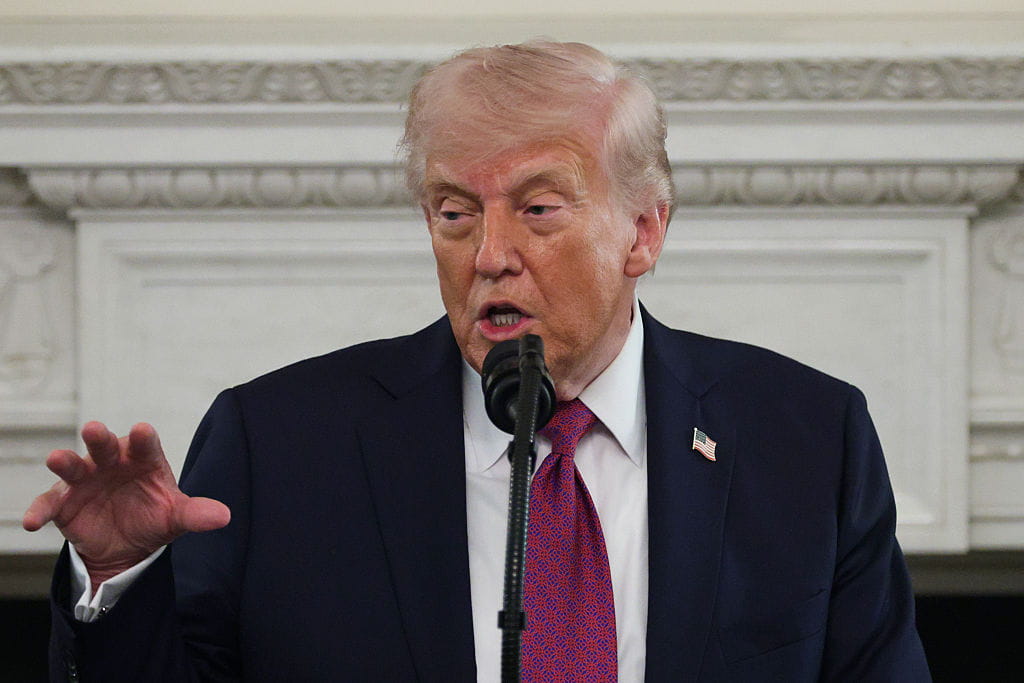
At the same time, voices in Washington are skeptical that diplomacy alone will secure American interests when Tehran’s security elite sets the agenda. “President Trump ready to resume the bombing with the Iranian regime in disarray.” That line captures a posture favored by those who argue that strength and clear consequences produce better outcomes than endless negotiations with unreliable interlocutors.
The regional picture is messy: proxies and allied militias have already expanded their reach, and the IRGC’s dominance makes it harder to contain escalation through standard diplomatic channels. Neighbors who have borne the brunt of Iranian influence push for decisive policies that protect civilians and deter further aggression. When state actors are fragmented, conflict management becomes more kinetic than bureaucratic.
On the intelligence front, fragmented governance hampers transparency and signals, leaving the United States and allies with incomplete pictures of Iran’s intent and capabilities. That uncertainty raises the bar for operational planning and forces resilience in deterrence. With negotiations postponed, military preparedness and credible deterrence measures receive renewed attention from policy planners.
Economic levers and sanctions remain part of the toolkit, but their effectiveness depends on whether Iran’s civilian authorities can negotiate and deliver. When the IRGC controls strategic sectors, sanctions may hurt regular Iranians more than the security elite. Policymakers face the moral and strategic dilemma of using economic pressure while protecting innocent populations.
Any future diplomatic opening will require hard guarantees and third-party monitoring to be meaningful, especially if the IRGC keeps decision-making insulated from civilian constraints. For now, the pathway to a stable agreement looks narrow, and parties that prefer clear leverage are pressing their case. The onus falls on both allies and adversaries to shape a response that reduces risk while keeping options on the table.

