

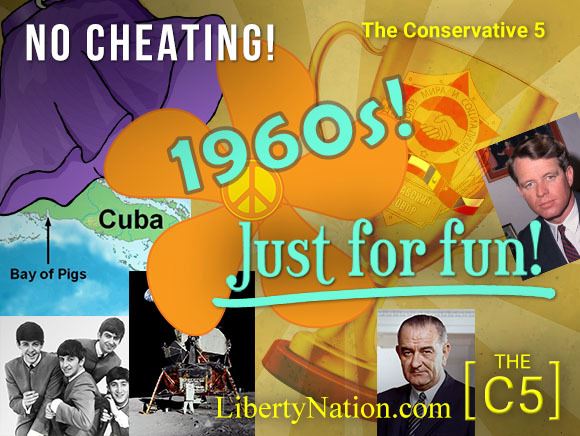
A brisk look back at a decade that keeps bubbling up in trivia games, memory reels, and cultural shorthand.
Trivia this week – the 1960s or whatever the panel may have heard of or remembered. That line sets the tone: a playful, slightly skeptical nudge at how we recall a decade packed with big moments, pop culture storms, and just enough myth to make any quiz night interesting. This piece walks through the highlights, oddities, and lasting images people tend to pull from the era, all without getting bogged down in every detail. Think of it as a tidy road map for the snapshots most of us actually use when we talk about the 1960s.
Start with music, because music is the easiest gateway into a time. The 1960s rewired popular sound and taste in ways that still echo in playlists, from folk and Motown to the British invasion and the early edges of psychedelic rock. Those shifts mattered because they weren’t just about new songs; they rewrote how youth culture talked back to older generations and how scenes clustered in cities and college towns.
Then there’s TV and movies, which helped spread images faster than ever before and made some faces into household icons overnight. Shows and films carried fashions, slang, and ideas across borders, so what began on a stage or studio lot could be copied on Main Street within weeks. That acceleration shaped a new kind of shared cultural memory that quiz panels now mine for one-liners and easy nostalgia.
The space race is an unavoidable chapter, partly for the spectacle and partly for the real tech leap it represented. Launches and mission control became live national events, and the promise of the future folded into everyday conversation as seriously as anything on the evening news. Even people who didn’t follow every telemetry update felt the ripple effects in schools, factories, and classrooms focused on science and engineering.
Fashion and design deserve a shout because they were loud and willing to break rules, from slim suits to bold patterns, from bubble skirts to new silhouettes for men and women alike. Style in that decade played fast with identity and often announced membership in a tribe or affiliation with a cause, and those visual signals stuck in the public imagination long after hemlines and lapels moved on. You still see those choices recycled, which makes trivia questions about designers or iconic outfits embarrassingly fun.
Political and social shifts were massive, and they show up in trivia as single dates or quick facts, but the reality was a complex mix of movements, debates, and individual stories. Whether the question mentions marches, landmark rulings, or a single speech, those moments are shorthand for deeper change that unfolded unevenly across the country. Remembering one event is useful, but the decade’s true shape comes from stacking many such points together.
Technology and everyday life advanced too; from kitchen gadgets to early computing experiments, the 1960s nudged routines into new territory. That period featured the first consumer tastes of convenience and novelty that later became standard—things that show up in trivia as curious inventions or firsts that sound quaint now. Those anecdotes work well in quizzes because they’re small, punchy facts with a clear before-and-after feel.
Sports and big live events provided moments everyone could agree on for a minute or two, from dramatic finishes to headline-making controversies. Those snapshots are easy to turn into questions because they capture a mood and a date, and they often come wrapped in photos or recordings people recognize at a glance. For trivia players, that recognition scores points quickly and rewards the kind of attention that turns up in tidy recall.
Finally, the 1960s left behind an odd mix of myths and certainties, which is why it’s fertile ground for game shows and bar bets. Some facts are rock solid, others are shorthand built from headlines, and a few are the kind of half-remembered details that force us to fact-check in front of friends. That tension between instant recognition and actual accuracy is the secret engine behind any good round of trivia about that decade.

