

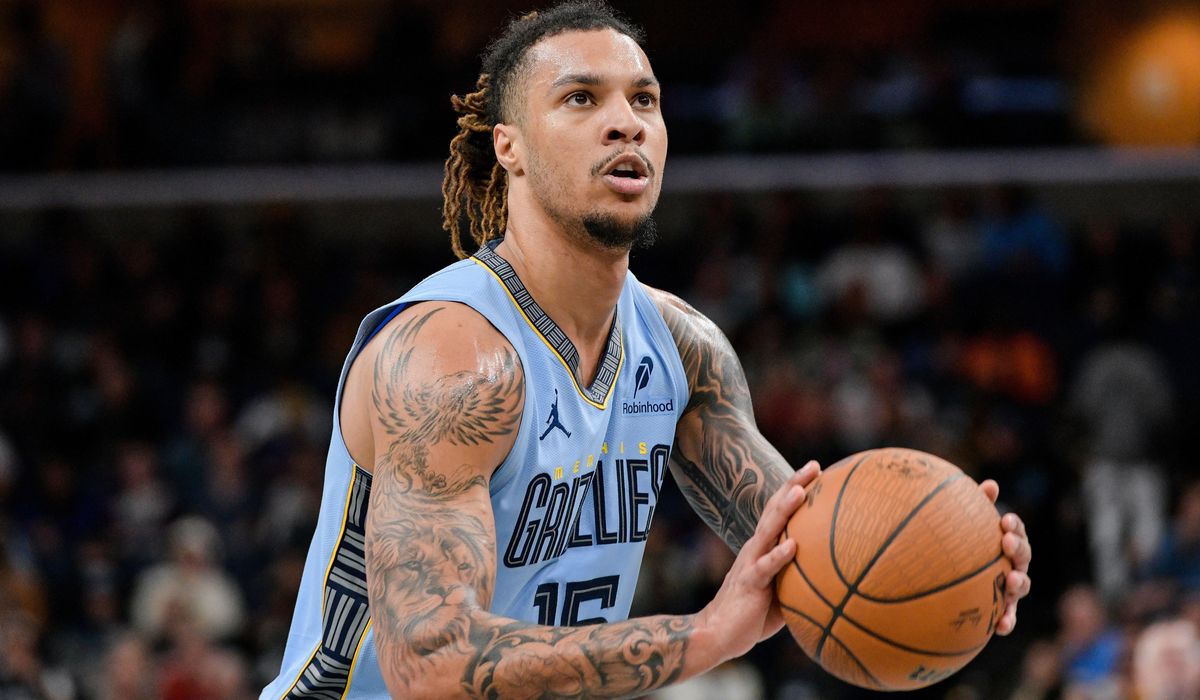
Memphis Grizzlies forward Brandon Clarke was arrested Wednesday in Arkansas on charges including speeding and possession of a controlled substance. The incident has already drawn attention because of Clarke’s role with the team, and it raises immediate legal and professional questions for the player and the franchise. As details remain limited, the situation will likely unfold through court filings and any team or league responses that follow.
Brandon Clarke’s arrest in Arkansas on Wednesday centers on alleged speeding and possession of a controlled substance, and those two points are the only confirmed details released so far. The report naming those charges is straightforward and leaves out the finer particulars people often want right away, such as the quantity involved, whether any additional charges are pending, or the exact circumstances that led to the stop. Until police reports or court documents are available, most of the discussion will be based on those initial, sparse facts.
Clarke is identified as a Memphis Grizzlies forward, and that connection is what turns a routine legal matter into a professional concern that will attract media and fan attention. Players are public figures, and incidents like this tend to get amplified because they intersect with contracts, public expectations, and team responsibilities. The team’s handling and any league review will be watched closely, even if those steps play out quietly at first.
On the legal side, an arrest on charges including possession of a controlled substance typically leads to booking, the filing of charges, and then either a release on bond or continued detention depending on the circumstances. The next steps usually involve court appearances and, possibly, plea negotiations or a trial, but those pathways depend entirely on evidence, local law, and the choices of prosecutors and defense counsel. It is essential to remember that an arrest is not a conviction, and the courts will determine what happens next.
From a team-management perspective, franchises balance public interest, legal realities, and internal policies when responding to off-court incidents. The Grizzlies will likely review the matter internally, consider any league conduct policies that may apply, and assess how the situation affects roster planning and team culture. Those processes can take time, and teams often avoid rushing to judgment before the legal process plays out.
The NBA has mechanisms for addressing off-court behavior, and those rules allow the league to review incidents independently of any criminal case. Where the league draws a line and what penalties, if any, are applied will depend on the findings of that review and whether the incident breaches specific conduct standards. Fans and commentators will speculate, but official determinations come from formal reviews and statements issued through proper channels.
Public reaction to arrests of professional athletes is usually a mix of concern, curiosity, and calls for accountability, and this case will follow that pattern until more facts emerge. Supporters tend to emphasize due process and the player’s history, while critics focus on the need for consequences and the example set by public figures. Both perspectives feed the broader conversation about responsibility, privacy, and fairness.
For Clarke personally, the weeks ahead will likely be focused on legal defense and managing public-facing obligations while the matter is pending. How the situation affects his availability, contract status, or standing with teammates will depend on outcomes that are not yet determined. Professional athletes often work through legal issues with counsel and publicists, but the central resolution will be handled by the courts.
As coverage continues, expect official records and statements to provide the clearest picture of what actually happened and what follows. Until those sources are available, commentary will be speculative and based on the limited facts reported: that Brandon Clarke was arrested in Arkansas on Wednesday and that the charges included speeding and possession of a controlled substance. The case will proceed through the normal legal channels, and any team or league responses will unfold in step with that process.

