

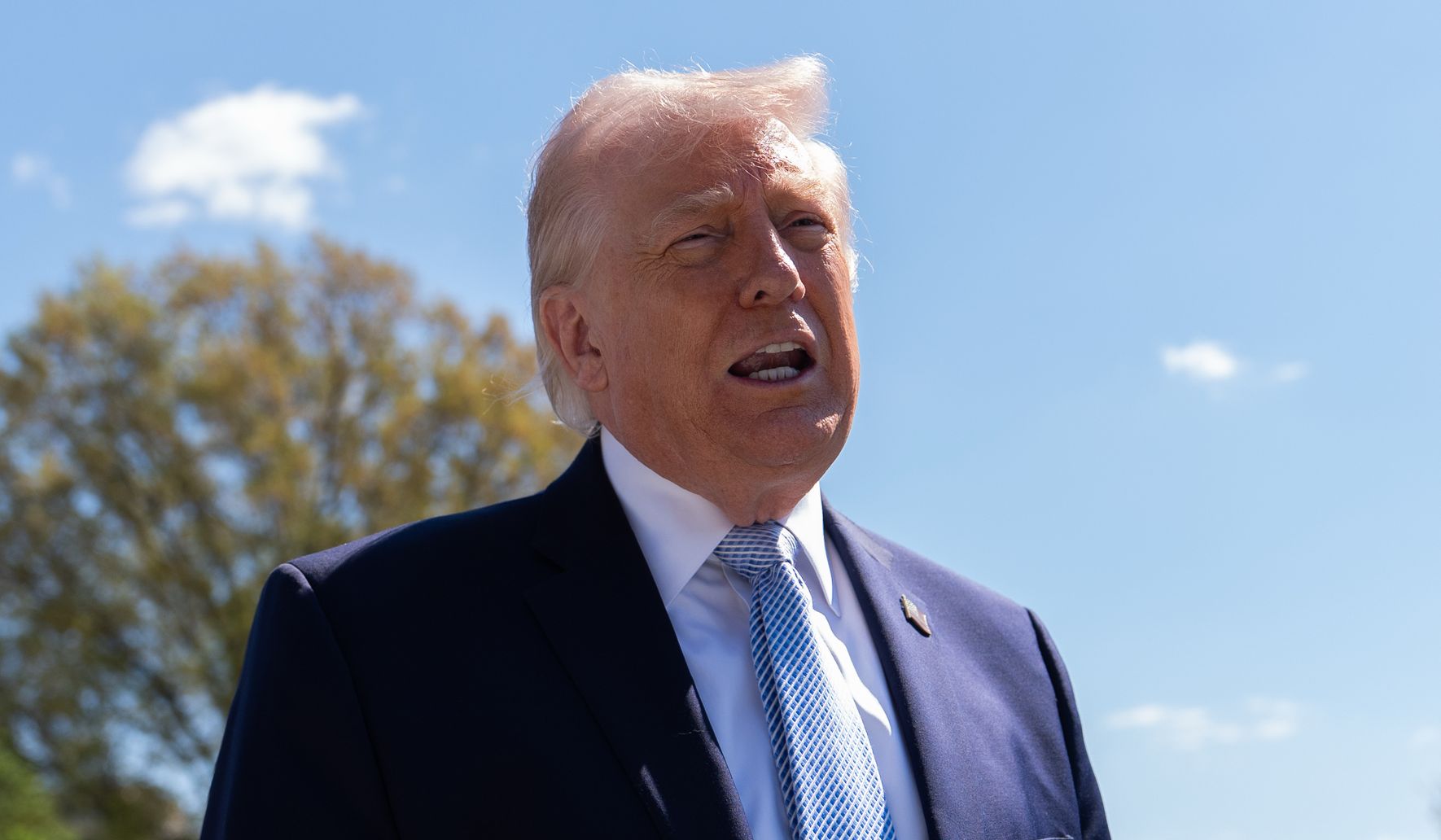
President Trump warned Iran late Wednesday that the U.S. military is positioned with extra ammunition and weapons, ready to act if needed, and he insisted this posture will remain in place until an authentic agreement is secured.
President Trump made a clear, no-nonsense warning to Tehran late Wednesday, saying U.S. forces are standing by with additional ammunition and weapons to respond if Iran crosses red lines. The message was blunt and aimed at deterring any escalatory moves by Iran or its proxies. From a Republican perspective, this kind of posture is how you keep adversaries guessing and avoid miscalculation.
Keeping military assets visible and ready isn’t saber-rattling; it’s practical deterrence. When adversaries know we have both the will and the means, they think twice before acting. The administration’s insistence that readiness will continue “until an authentic agreement” is reached underlines distrust of half-measures and cosmetic concessions.
Republicans have long argued that peace through strength prevents costly entanglements and protects American interests. Soft diplomacy without credible military backing has a way of encouraging aggression. Trump’s stance reflects a preference for leverage: negotiate from strength or don’t expect us to stand down.
That leverage depends on more than rhetoric. Ammunition, weapons, and forward-deployed forces send a practical signal that policy is backed by capability. It also forces allies and adversaries to account for real consequences, not just press releases. This posture reassures partners in the region who want stability and clarity about U.S. resolve.
Critics will call this provocative, but provocation is in the eye of the beholder. If the alternative is appeasement that leaves hostile regimes richer and more aggressive, firmness is the safer choice. History shows concessions without verification often result in worse threats later, and the administration’s insistence on an “authentic agreement” reflects that lesson.
Maintaining readiness also buys time for better diplomacy. When you enter talks with a credible deterrent in place, you avoid giving away leverage before negotiations begin. That’s a lesson from past deals that left the U.S. vulnerable; Republicans argue any treaty must be verifiable, enforceable, and backed by consequences for cheating.
Domestically, this approach plays to voters who want a President willing to put American security first. It’s not about seeking conflict; it’s about preventing it by making sure adversaries know the costs. The stated policy — available forces, extra ammunition, and clear lines — is intended to make miscalculation by Iran less likely.
Finally, messaging matters as much as posture. A President who speaks plainly and follows words with action reduces ambiguity in a dangerous neighborhood. Saying the military is standing by with additional ammunition and weapons until an authentic agreement is in place tells allies and rivals exactly where the United States stands, and that clarity is a strategic advantage.

