

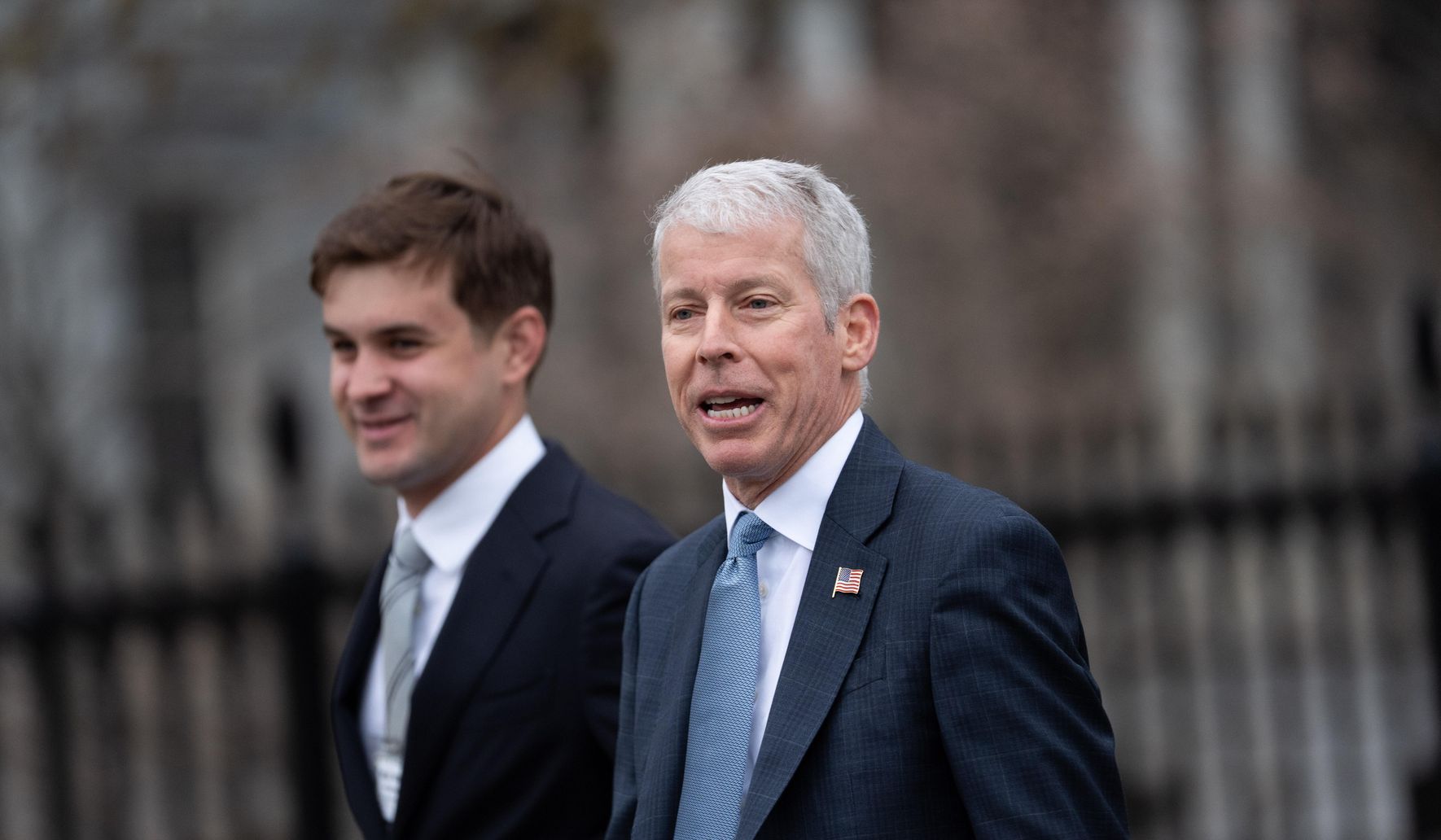
Energy Secretary Chris Wright said Sunday that the United States is close to a deal that would permanently end Iran’s nuclear program, dismissing Tehran’s threats to the Strait of Hormuz.
Energy Secretary Chris Wright delivered a blunt message Sunday about Iran and its nuclear ambitions, saying the United States is close to a deal that would permanently end Iran’s nuclear program. He also dismissed Tehran’s threats to the Strait of Hormuz, signaling that Washington is treating those warnings as background noise rather than a strategic deterrent. The statement reflects a confident tone from a senior official with responsibility over energy concerns tied to global security.
From a Republican perspective, that confidence is overdue and welcome. For years, soft approaches and ambiguous agreements have failed to neuter Tehran’s capability or its intent, and decisive language from senior officials sends a needed signal. This moment calls for clear, enforceable outcomes that remove the nuclear threat rather than papering it over with temporary limits or loopholes.
Ending Iran’s nuclear program permanently is a tall order, and it requires more than words; it needs a plan that combines diplomacy, inspections, sanctions pressure, and credible military deterrence. Republicans argue that credible deterrence and robust intelligence are essential to back any negotiated terms. Without real verification and the capacity to punish violations, any deal will be a pause, not a fix.
The Strait of Hormuz remains a strategic chokepoint where Tehran has long tried to project influence through brinkmanship. Wright’s dismissal of Tehran’s threats reflects a calculation that such posturing will not alter U.S. resolve. Republican policymakers typically favor showing strength in these flashpoints so adversaries understand there are real consequences for aggressive moves against international commerce.
Energy policy and national security are tightly linked in this debate, because disruptions in the Gulf can ripple through markets and American livelihoods. Republicans emphasize that energy independence and a strong domestic production base reduce leverage that hostile states might exploit. A credible strategy to end Iran’s nuclear program should therefore include steps to protect energy flows and shield markets from coercion.
Any durable solution must also satisfy America’s allies in the region and beyond, who suffer most from instability and see the nuclear risk as immediate. Republicans often point to the need for close coordination with Israel, Gulf partners, and skeptical European capitals to ensure enforcement and shared burden. A multilateral posture that still preserves American freedom of action is a Reagan-style mix that appeals to many in the party.
Domestic politics will shape how this claim from the Energy Secretary is received and acted on. Republicans are likely to press for congressional oversight and for concrete benchmarks that demonstrate Iran is stripped of its ability to build a bomb. They will also push for sustained sanctions relief contingencies and mechanisms that snap back quickly if Tehran cheats or hides activities.
There are practical steps to make a permanent end real: intrusive inspections with unfettered access, dismantling centrifuges and production lines, removal of weaponizable material, and ongoing verification with hard triggers for enforcement. Republicans argue these are not negotiable details but core safeguards. Without them, the phrase “permanently end” risks being little more than rhetoric.
The stakes are high for regional stability, global energy markets, and American credibility. Wright’s remarks raise expectations that Washington is preparing to press for more than a temporary fix, and Republicans will be watching the specifics closely. The next moves must translate confident words into enforceable terms backed by the tools to hold Iran accountable.

