

A tight, direct look at the strange cluster of 11 missing or dead US science experts and how that situation moved from online chatter to the attention of President Donald Trump and Congress.
The story started online and grew until the White House could not ignore it, and that alone raises questions about why so many cases drew national attention. The core fact remains that 11 US science experts are either missing or dead, a number that demands clarity. Republicans are calling for straight answers and stronger oversight.
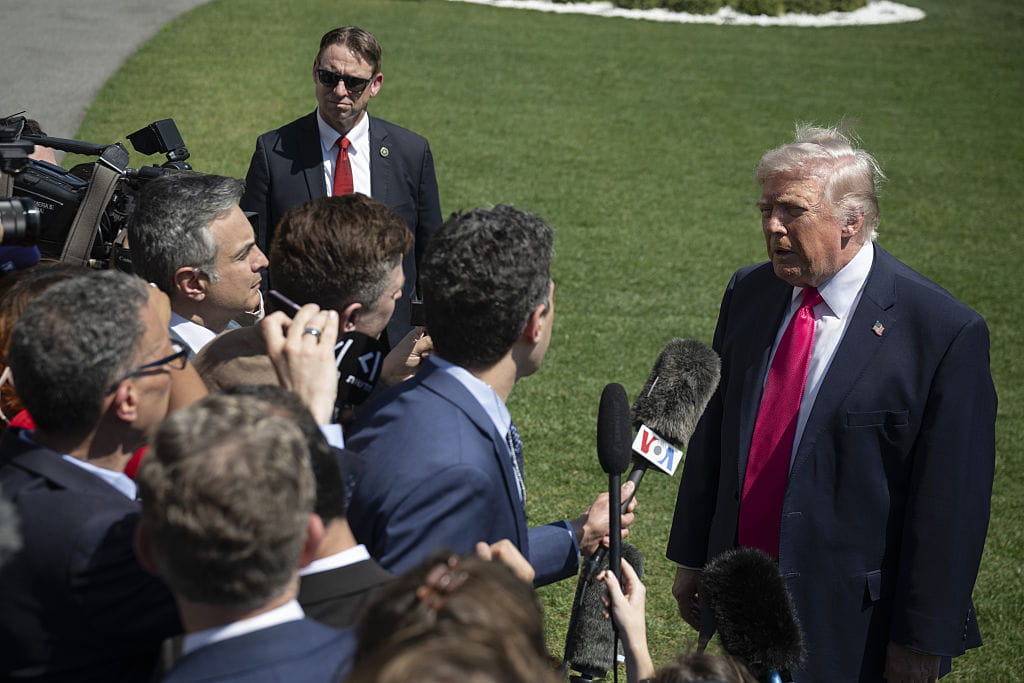
When issues reach the executive level, they stop being speculative and become matters of public policy. President Donald Trump being briefed signals the situation is being treated seriously by those in power. That briefing also puts responsibility on the administration to push for transparency.
The cluster of cases began as internet discussion but has now entered formal channels, including whispers of a congressional committee hearing. Committee review is the right forum for demanding testimony and documents from agencies involved. Republican lawmakers will likely press hard for full disclosure.
There are practical national security concerns whenever scientific personnel disappear or die under unclear circumstances. Many of these experts worked in sensitive or government-related areas, which raises the stakes. Voters expect their leaders to secure scientific capacity and protect critical knowledge.
Accountability starts with good questions, and the public deserves to know whether these incidents are connected or purely coincidental. Investigators need to rule out foreign interference, criminal activity, or systemic failures inside agencies. Republicans will emphasize the need for rapid, transparent answers instead of spin.
Media treatment of the topic has been mixed, with some outlets minimizing patterns and others amplifying unverified theories. Partisan filtering of facts only deepens public distrust, which is why independent committee work matters. A sober, fact-driven congressional review can cut through noise.
There is also a science policy angle to consider: losing experts undermines long-term research and agency capacity. Recruitment and retention depend on safety, respect, and clear protections for personnel. If systemic problems are found, Republicans will likely push for reforms that strengthen protections for scientists.
Some will try to turn the story into a conspiracy without evidence, while others will demand aggressive investigation even if it is politically inconvenient. Both extremes can be harmful, but oversight committees are designed to sort through conflicting claims. Republicans generally favor robust watchdog work to expose the truth.
Those who answer to the public must produce records and timelines so investigators can trace each case. Documents, travel logs, and internal communications will be crucial to understand any patterns. Republicans will press for subpoenas if voluntary cooperation falls short.
Transparency cannot be optional when public confidence and national security are at stake. Unclear explanations or delayed disclosures only fuel suspicion. Republican oversight will aim to force timely, concrete information into the open.
It is reasonable to expect the executive branch to coordinate with law enforcement and relevant agencies to ensure a comprehensive probe. Interagency cooperation is critical to avoid gaps in authority or missed leads. Republicans will argue that a coordinated, no-nonsense approach is the most responsible path.
Congressional hearings would provide a public record and an opportunity for experts to speak under oath, which is important for accountability. Live testimony helps the public see whether agencies are forthcoming or evasive. Republicans will use hearings to push transparency and to highlight any failures.
Some in the public will remain skeptical no matter what investigators find, which makes clear, factual reporting essential. Republicans can gain credibility by sticking to verified facts and avoiding sensational claims. The goal should be to restore public trust through evidence, not rhetoric.
Practical reforms could include better tracking of personnel, clearer safety protocols, and stronger whistleblower protections to surface problems early. Those steps would protect institutional knowledge and reassure both researchers and the public. Republicans often favor structural fixes that increase accountability and reduce bureaucracy.
At the end of the day, taxpayers and voters expect their representatives to demand clarity and act on it. The presence of President Donald Trump in briefings shows the issue has national visibility and political weight. Republicans will continue to press for answers until the record is clear and corrective steps are taken.

