

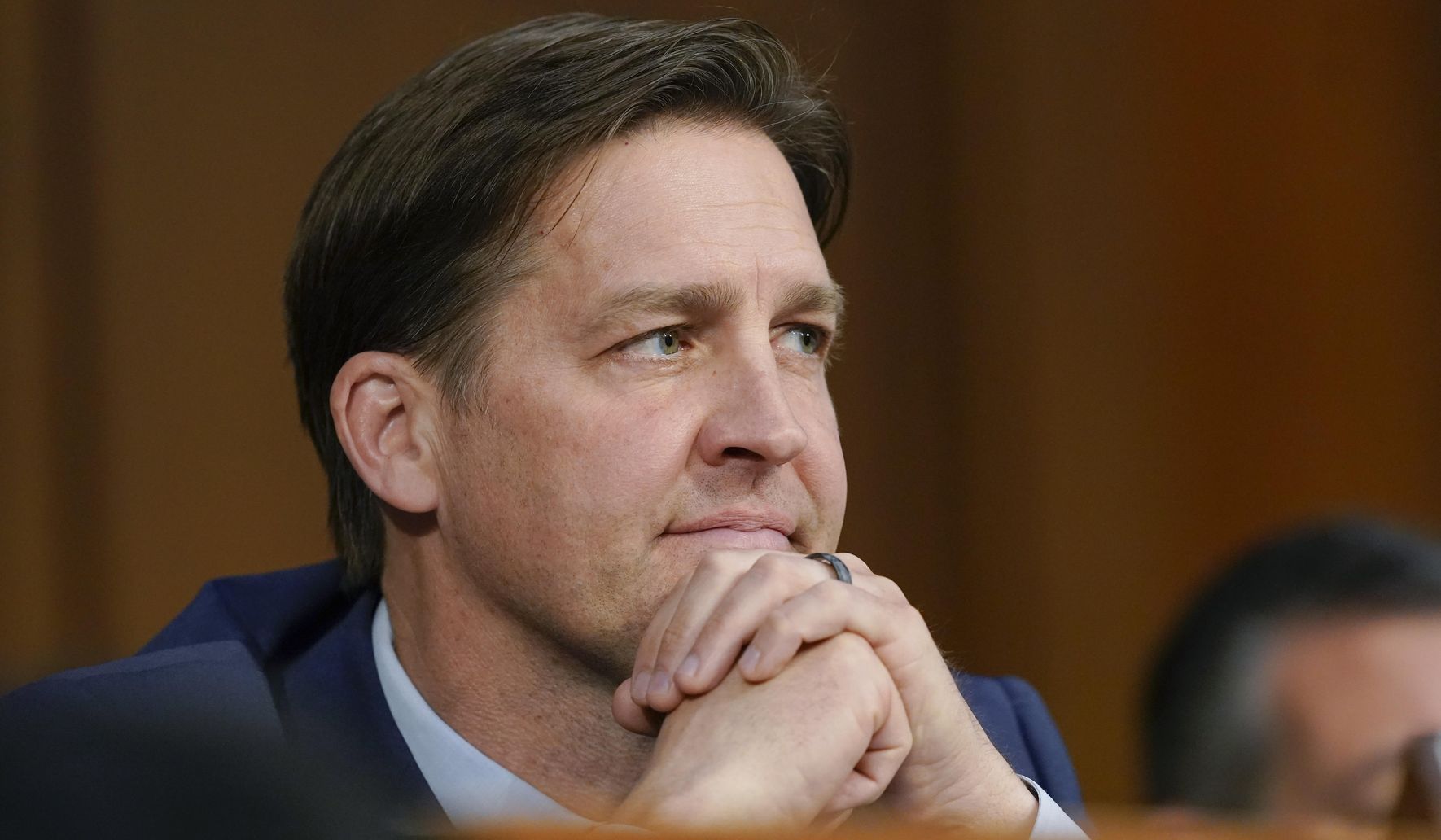
Former Republican Sen. Ben Sasse has been open about a terminal cancer diagnosis, telling a New York Times podcast that his tumors have shrunk dramatically even as he readies himself for death. He spoke with blunt honesty about his treatment, his family, and the way he is approaching the end of life, offering a mix of medical update and steady resolve. His candor has drawn public attention and private respect from people across the political spectrum.
What stands out is the plainness of his message: he is facing a terminal illness but reports significant tumor shrinkage, and he is preparing for the inevitable. That combination—medical progress alongside realistic acceptance—cuts through the usual noise. It is a reminder that public figures can be both fighters and realists at the same time.
As a former Republican senator, his voice matters to many who look for examples of courage and clarity under pressure. He served in public life and now faces a personal trial, and his openness provides a model for leadership in crisis. His willingness to talk about treatment and prognosis is both rare and useful for others confronting similar struggles.
The medical detail—tumors shrinking—offers some concrete hope without false promises, and that balance is important for the public to understand. Advances in treatment can change trajectories, but shrinkage is not the same as cure, and Sasse’s honesty reflects that nuance. People need facts delivered plainly so families can plan and make informed choices.
His comments on preparing for death strike a tone of responsibility and faith in private decision-making, which resonates with conservative values about autonomy and family. He is clear about what he can control and what he cannot, and he models planning with dignity. That steadiness matters for communities that value personal responsibility and moral clarity.
There is also a political dimension: witnessing a Republican voice handle illness with composure counters caricatures about toughness and vulnerability. Being candid about mortality does not weaken public standing; it humanizes leaders for voters who want authenticity. His approach shows strength can look like calm acceptance rather than constant defiance.
Civic life benefits when public figures talk plainly about hardship, because it encourages practical conversations about healthcare, caregiving, and end-of-life choices. Families and neighbors learn from straightforward stories about medical realities and emotional preparedness. Those lessons often translate into better planning, clearer wills, and conversations that spare loved ones unnecessary guesswork.
For conservatives who prize faith, family, and freedom, his testimony can be both an emotional touchpoint and a policy prompt: how do communities support families confronting serious illness without expanding bureaucracy? Private generosity, local institutions, and faith-based groups still play central roles in providing care and comfort. His situation highlights the ongoing need for local solutions that respect individual dignity.
Public reactions have mixed sympathy and reflection, and that mix is healthy for a civic culture. People respect honesty, and his candor invites constructive thinking about how to balance hope with realism. It also reinforces how public service and private life can intersect in ways that teach rather than distract.
At the end of the day, the core facts remain: he is confronting a terminal diagnosis, his tumors have shrunk dramatically, and he is preparing for death with clarity and resolve. That combination of medical progress and realistic planning is quietly powerful, and it speaks to the character of someone used to making tough calls. His openness gives others permission to be honest about their own plans and fears without theatrics or denial.

