

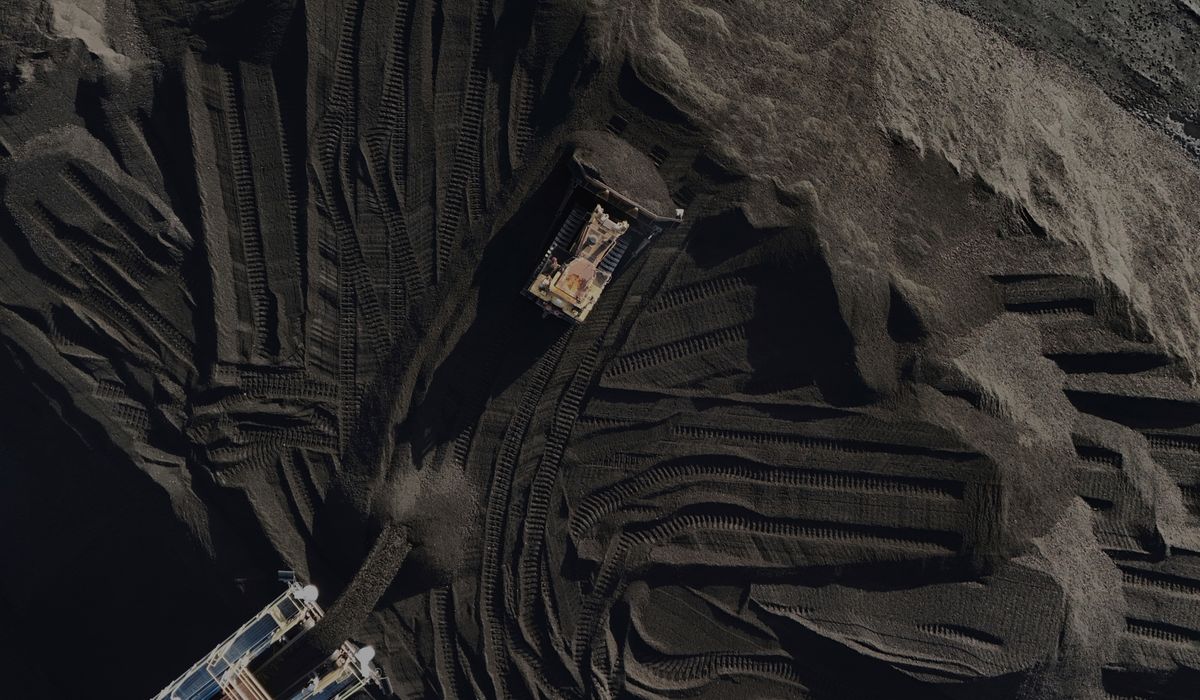
Before Donald Trump returned to the White House, the Biden administration and many electric utilities were building a future dominated by renewable energy. They aimed to replace coal, slashing greenhouse gas emissions and reshaping how electricity is produced across the country. That shift promised cleaner air and new industries, but also raised questions about reliability, cost, and who wins when baseload power leaves the grid.
For years the federal government and large utilities leaned into wind and solar as primary solutions for cutting emissions. Those technologies grew fast and got huge subsidies, which accelerated retirements of coal plants and, in some regions, pushed natural gas into the gap. On paper the math on emissions looked like progress, but the real-world power system grew more complex and more brittle.
Now that the White House has switched direction, federal policy is moving away from forcing a rapid renewables-only transition and back toward a mix that includes coal and other dispatchable fuels. The Republican view is simple: electricity must be reliable and affordable first, and environmental goals should not jeopardize either. Restoring coal is framed as restoring jobs, supply security, and predictable baseload capacity that batteries and intermittent sources cannot reliably supply on their own.
Utilities respond to market signals and regulators, and when those signals changed under the prior administration, investors pulled capital from coal and steered money into renewables. That created a generation fleet with lots of intermittent capacity and less guaranteed output when storms or heat waves hit. Critics argue that the result was a grid more exposed to shortages and price spikes when wind and solar output fell.
Supporters of a Trump-era energy agenda point to permitting reform, regulatory rollbacks, and targeted incentives aimed at reviving coal production and extending the life of existing plants. They say these moves lower costs for industry and consumers and shore up the supply chain for critical minerals and domestic fuels. Opponents worry about emissions and the long-term viability of that plan, but Republicans prioritize immediate economic and security risks tied to energy shortages.
Another big issue is workforce. Coal communities saw steady declines as plants closed and miners lost jobs. Renewables create jobs too, but they are often concentrated in manufacturing, installation, or in different places than the mines and plants that were closed. A policy that favors coal is sold as a path to bring back the kinds of stable, well-paying jobs that were lost in earlier energy transitions.
Grid resilience is not just a talking point; it shows up in blackout reports and emergency orders when extreme weather hits. Dispatchable plants—coal, gas, nuclear—can be counted on to meet demand when sun and wind are scarce. The Republican case stresses that policy should reward firm capacity and fuel availability, not only low marginal cost generation that might not be there when it is most needed.
Economics also matters: consumers care about their monthly bills and manufacturers care about predictable energy costs. Rapidly shifting the generation mix has consequences for capacity markets and for the investments that utilities must make in transmission, storage, and backup generation. Republicans argue those costs are often passed to ratepayers while benefits accrue to well-subsidized industries and investors.
There is room for compromise, say pragmatic conservatives, by modernizing permitting, investing in cleaner coal technology, and ensuring market rules compensate reliability. That approach treats renewables as part of the solution but not the entire solution. It keeps policy focused on energy independence, domestic jobs, and protecting the grid from disruptions.
Local control matters too—states that depend on coal will resist policies that close plants overnight without replacement power. A Trump administration leaning on federal levers can push incentives and regulatory relief, but states and utilities still make many practical grid decisions. The political fight is often over who shoulders the costs and who gets the benefits of any energy transition.
Whatever your view on climate policy, voters and businesses expect lights on, factories running, and bills that make sense. The conversation has shifted from pure decarbonization to a balance of reliability, affordability, and cleaner emissions where practical. For Republicans, that balance tips toward protecting American workers, ensuring supply security, and backing energy forms that deliver steady power when it matters most.

