

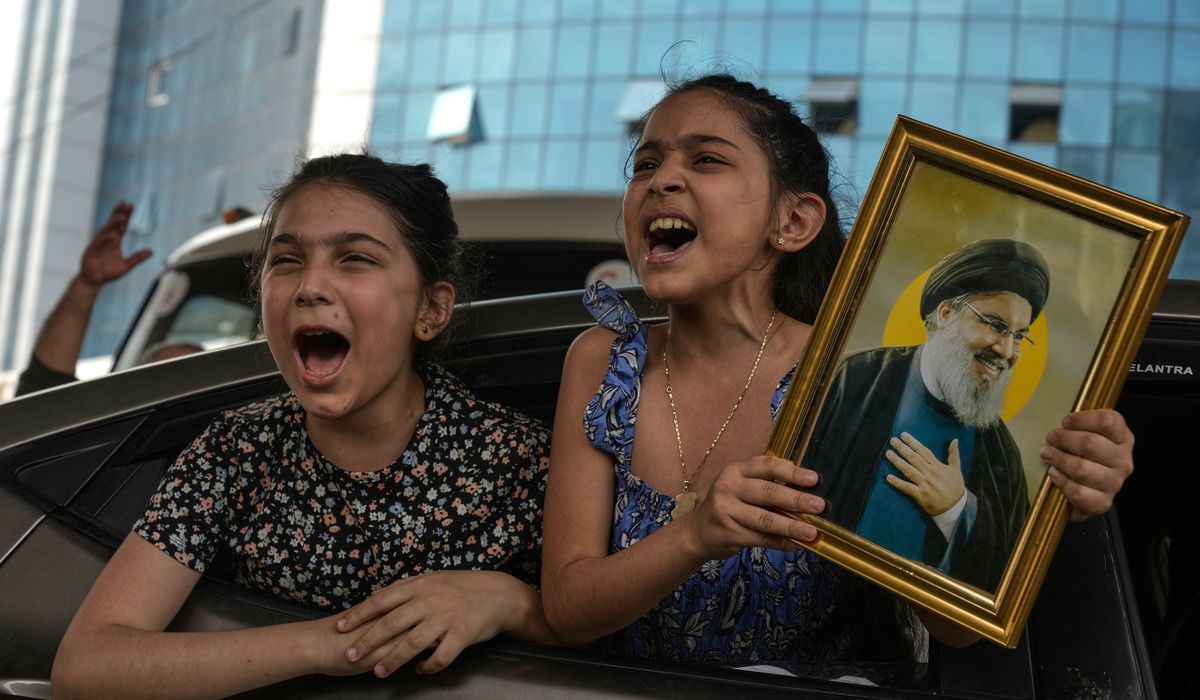
A fragile calm took hold as a U.S.-brokered 10-day ceasefire began between Israel and Hezbollah, allowing thousands of displaced families in Lebanon to start returning to their communities and briefly easing a dangerous flare-up along the northern border.
The truce, arranged by the United States, paused the immediate fighting and opened narrow windows for aid and movement. For many people in southern Lebanon and northern Israel the break in violence has meant a chance to check on homes and relatives after days of shelling and evacuation. Those shifts matter on the ground even if they do not erase the deeper causes of the conflict.
Thousands of displaced families have begun to trickle back to towns and villages, carrying what they can and facing damaged infrastructure. Local clinics and relief groups are stretched but are moving supplies where they can, often under tense local security arrangements. The short duration of the ceasefire makes every delivery and family reunion urgent and fragile.
From a Republican standpoint, the United States played a necessary role in halting immediate bloodshed and protecting civilians, which is consistent with strong support for allies in the region. The diplomatic maneuvering shows how American leadership can create breathing room without abandoning the broader goal of deterring future aggression. That deterrence must be credible and backed by policy tools that hold hostile actors accountable.
Hezbollah remains the central armed actor in Lebanon responsible for cross-border strikes and escalation, and it operates with clear backing from Iran. Any temporary lull will not resolve the strategic aims of those groups, so the immediate priority should be to use the pause to gather intelligence, secure hostages if any, and strengthen defensive postures. Republican voices emphasize that pauses are for recovery and preparation rather than for letting adversaries regroup unchecked.
Humanitarian needs are pressing and visible, from water and power interruptions to the psychological toll on children who fled homes in the night. Relief agencies operating in the area need safe access and predictable security guarantees to reach people who are still vulnerable. Ensuring reliable logistics during the ceasefire is the kind of practical step that saves lives and preserves international goodwill.
On the diplomatic side, the ceasefire creates an opening for regional conversations about de-escalation, but those conversations must be anchored in enforcement mechanisms. Sanctions, targeting of material support networks, and international pressure on state sponsors of militias are policy options that should remain on the table. Republicans argue that firm measures, not ambiguous negotiations, will reduce the chance of another cycle of violence.
For Israel, the pause offers time to reassess defensive needs along its northern border and to plan limited operations that meet clear objectives without dragging into open-ended campaigns. Militaries need accurate, verified information before acting, and short ceasefires should be used to refine intelligence and protect civilians. At the same time, any enduring peace will require weakening the capabilities that make cross-border strikes possible.
Regional stability depends on persistent vigilance and practical policy tools that combine support for partners, humanitarian relief, and targeted pressure on sponsors of terrorism. Short-term calm saves lives now, but the stronger aim must be to prevent future crises by cutting off funding, weapons flows, and safe havens for armed proxies. That balance between relief and resolve should guide the next steps while families rebuild and temporary peace holds.

