

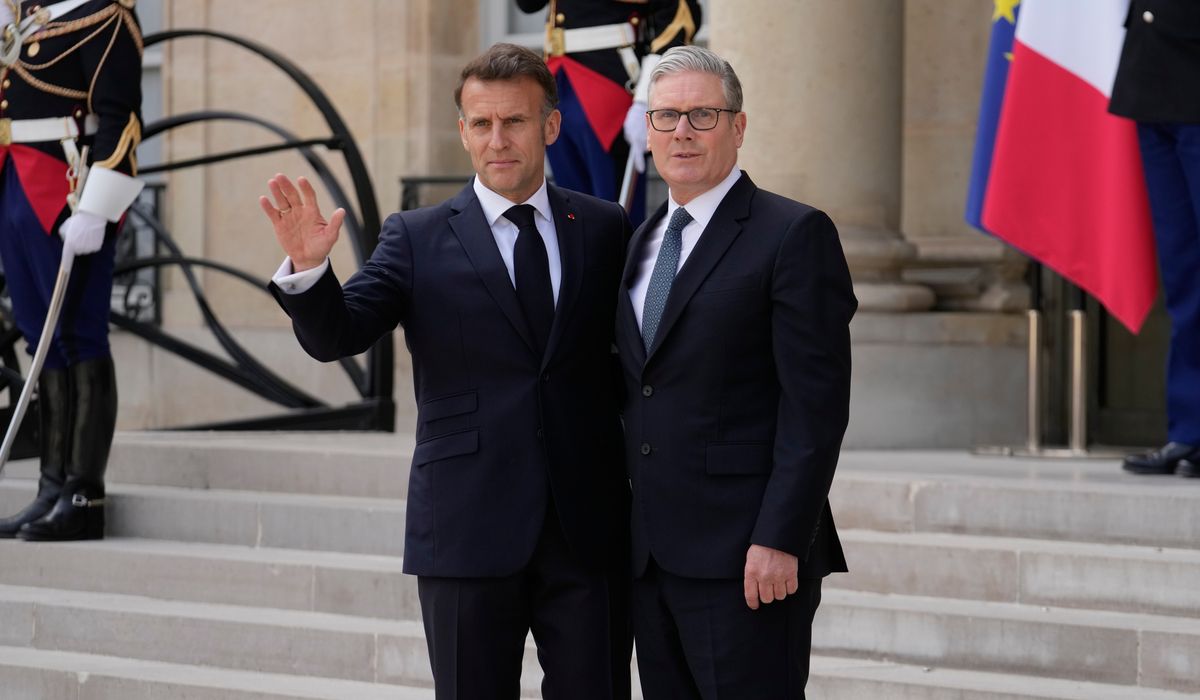
The leaders of France and the U.K. convened dozens of countries on Friday, excluding the United States, to advance plans aimed at reopening the Strait of Hormuz, a vital oil route that has been constrained amid recent tensions involving the U.S.
France and the United Kingdom took charge Friday, gathering dozens of nations to discuss reopening the Strait of Hormuz, while the United States was notably absent. That absence was glaring given the strait’s central role in global energy flows and the broader security picture. The move signals both European urgency and a gap in transatlantic coordination at a sensitive moment. For Republicans, the optics raise questions about American leadership and strategy.
The Strait of Hormuz sits at the heart of energy security, with a substantial share of global oil transiting through those waters. Any disruption there ripples through markets, raising prices and testing supply chains worldwide. When friends and rivals watch which capitals lead on maritime security, they draw conclusions about resolve and reliability. Republican thinking tends to favor clear American leadership to deter bad actors and stabilize markets.
European governments argue they need to act quickly to keep shipping lanes open and reassure importers that commerce will continue. That urgency is understandable, but a solution that omits Washington risks being incomplete. The United States offers unique military reach, intelligence resources, and diplomatic weight that European partners cannot fully replicate. From a Republican perspective, those capabilities should be front and center when the stakes are this high.
Building an international coalition is complicated and takes tradeoffs, but the goal must be simple: preserve freedom of navigation and protect energy supplies. Coalitions should combine diplomatic pressure, clear rules of engagement, and credible deterrence at sea. If Europe pushes ahead without syncing strategy with Washington, the result could be fragmented responses and mixed signals to potential aggressors. Republicans favor tough, coordinated approaches that make deterrence obvious and enforceable.
There are practical steps that any coalition can take to reopen or secure the strait, from escorting commercial vessels to stepped-up patrols and surveillance. Economic measures can support those operational moves by threatening consequences for interference with commerce. Still, operational success depends on interoperability and shared intelligence, where American platforms and assets are often decisive. The absence of the United States from the initial talks raises the bar for European-only plans to deliver meaningful security.
Diplomacy matters too, and the meeting led by France and the U.K. is a reminder that allies will act when pressured by markets and the public. But diplomacy without enforcement can leave threats unaddressed. Republicans generally prioritize pairing negotiation with a credible ability to act, ensuring that diplomatic talks are backed by military posture and sanctions readiness. In practice, that means aligning diplomatic timelines with deployments and contingency plans.
Energy markets are sensitive to even short-term uncertainty, and businesses hate unpredictability. Investors and consumers both respond to signals from capitals about who is in charge and who will protect supply routes. When allies coordinate, markets calm; when they do not, prices climb and budgets strain. A Republican viewpoint stresses that demonstrating firmness and unity is the best way to keep markets stable and adversaries guessing.
Ultimately, the question hanging over the French and British initiative is whether it will draw in the American capabilities that matter. Allies can, and should, take the lead on regional issues, but major maritime chokepoints and global energy flows demand integrated responses. If Washington stays on the sidelines, Europe will face tougher choices about escalation and sustainment. Republicans would argue that meaningful success requires the United States back at the table, contributing its unique tools to a clear, enforceable plan.

