

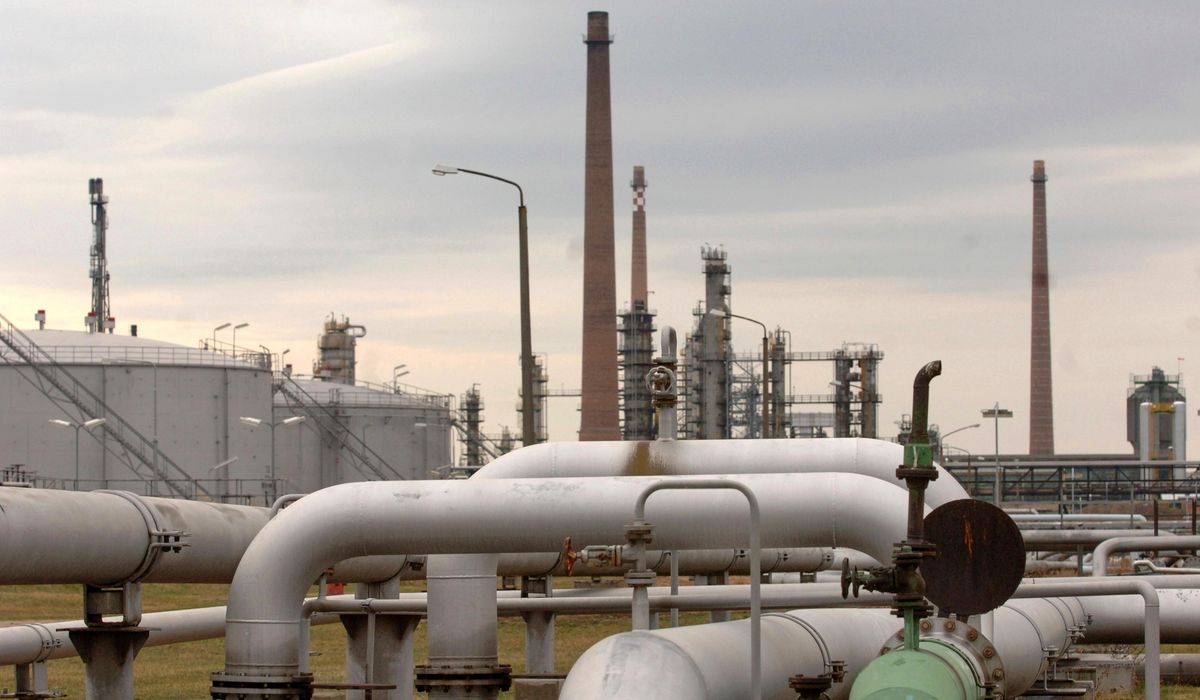
Hungary has lifted its veto on a $106 billion European Union loan to Ukraine after Kyiv restored a key pipeline that allows Russian oil to flow again to Hungary and Slovakia, ending a standoff that had blocked the aid package.
The decision to drop the veto hinged on the restoration of a pipeline that had been out of service, allowing fuel shipments to resume to Hungary and Slovakia. That move cleared the way for the EU loan package to proceed, but it also exposed how energy and politics remain tightly intertwined in Europe. The $106 billion figure underlines the scale of the aid at stake and why member states felt pressure to resolve the dispute.
For Hungary, the issue was practical: energy supply to households and industry matters now, not next year. Interruptions in oil deliveries create immediate economic pain and political fallout at home, so leveraging a veto was a blunt but effective tool. Prime Minister Viktor Orbán used Hungary’s EU standing to force attention to those national needs.
The episode highlights a harsh reality in international politics: money and pipelines both buy leverage. A member state with a single important chokepoint can extract concessions or attention, even on issues as big as multi-decade aid packages. That is a lesson for any centralized financing plan; Brussels cannot assume unanimous compliance when national interests are threatened.
From a Republican perspective, the $106 billion question is not only whether the money goes out the door but whether strict oversight and accountability follow. Big transfers during wartime demand tougher reporting, transparent auditing, and clear benchmarks. Taxpayers and allies should insist that funds are tied to reforms, durable institutions, and measured results rather than open-ended promises.
The revival of Russian oil flows to Hungary and Slovakia also raises uncomfortable truths about European energy dependence. Relying on a single supplier leaves countries exposed to political coercion and sudden shortages. The smart long-term move is to diversify supplies, build resilient storage and refining capacity, and accelerate practical energy alternatives that reduce leverage from unreliable sources.
Brussels faces a tricky balance. On one hand, pushing major loans to Ukraine signals solidarity and keeps pressure on Russia. On the other hand, ignoring member states’ security and energy concerns risks fracturing unity. Allowing national vetoes to decide big policy risks setting a precedent where single capitals can extract unrelated concessions by threatening broader European goals.
For Kyiv, the immediate effect is operational: access to the aid pipeline matters as much as the banking one. But for Western capitals, the takeaway should be tougher conditionality. Aid without clear milestones and enforceable reforms risks wasting money and weakening political support at home. Republicans, in particular, will press the case for hard criteria before authorizing large appropriations in the future.
This episode should prompt a rethinking of how Europe structures emergency financing and enforces collective security. Countries that vote to fund others must also demand governance safeguards and tangible, short-term metrics. If the EU wants to prevent future vetoes from derailing major initiatives, it must reconcile national interests with shared objectives and build mechanisms that deliver both accountability and solidarity.

