

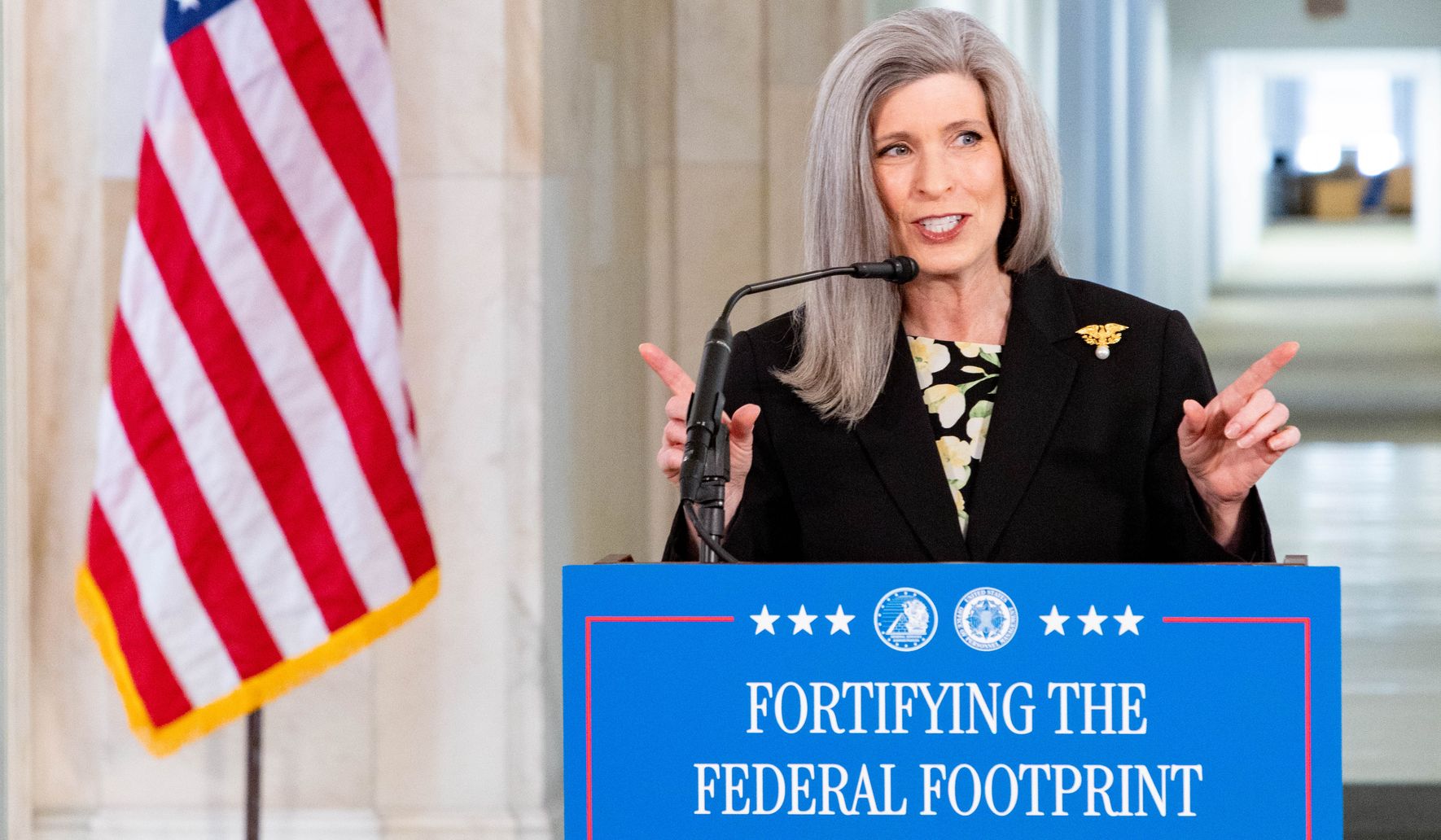
The Office of Personnel Management will sell its Northwest headquarters and share space with the General Services Administration, the latest move in a Trump administration plan to shed underused properties.
The announcement that the Office of Personnel Management will sell its Northwest headquarters and move into shared space with the General Services Administration is straightforward and pragmatic. This fits squarely into a larger effort, led by the Trump administration, to trim excess federal real estate and make government leaner. The plan sends a clear message that idle buildings and duplicated space are no longer acceptable when taxpayers are on the line.
Consolidation like this is about cutting fat and improving efficiency. Rather than funding maintenance on underused facilities, agencies can pool resources and reduce overhead. From a Republican perspective this is common sense: the government should use space that serves a purpose and pare back what it does not.
The mechanics are simple in principle: OPM will prepare the property for sale and move core operations into GSA-managed space, where support services and modern facilities are already available. GSA commonly handles federal leasing and space management, so housing OPM within GSA-controlled buildings streamlines administration. That shared approach typically reduces duplicated support functions and centralizes building services like security and maintenance.
There are clear fiscal benefits. Selling a costly, underused headquarters frees up capital, ends recurring upkeep bills, and yields property tax and utility savings over time. Consolidation also creates an opportunity to modernize how the federal workforce operates, encouraging smarter space usage and more flexible work arrangements. For taxpayers, fewer empty buildings and lower carrying costs should translate into better stewardship of public dollars.
At the same time, leaders need to manage the human side of a move. Staff adjustments, new commute patterns, and workplace reconfiguration are real concerns for employees and local communities. Responsible implementation means clear timelines, robust communication, and transitional support so essential functions continue without interruption. Employees deserve a plan that respects their work while advancing the goal of greater efficiency.
Operational security and service continuity must remain priorities throughout the transition. Sensitive records, background investigations, and personnel systems that OPM oversees require careful handling when changing locations. The agencies involved will need to coordinate on IT, access control, and records management to protect both employees and the public they serve.
Politically, this decision aligns with conservative principles of limited waste and accountability. Selling off underused federal assets is an example of governing by results rather than tradition. When pragmatic moves reduce costs and concentrate services, it strengthens the argument that government can deliver more for less without sacrificing mission-essential work.
Expect standard federal steps before a sale completes: appraisals, public notices, competitive bidding or transfer options, and oversight from congressional committees where applicable. Transparency and audits can reassure citizens that the transaction serves the public interest. Done right, this is an administrative change that helps balance the budgetary books while keeping priority services intact.

