

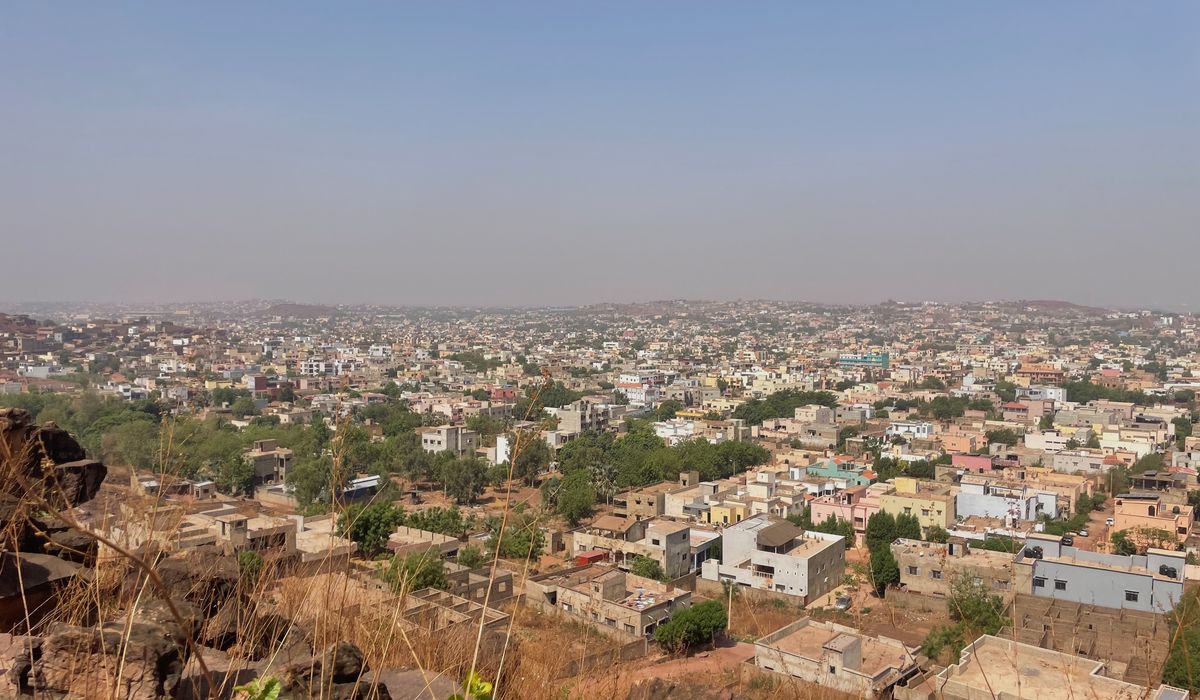
Gunmen struck multiple sites in Mali early Saturday, with residents and officials saying the attacks appeared to be coordinated in the capital and other cities.
Gunmen attacked several locations in Mali’s capital and other cities early Saturday in a possible coordinated assault, residents and authorities said. Witnesses reported sudden gunfire, explosions and crowds rushing for cover as security forces responded. Local authorities have described the situation as volatile while emergency services work to secure targeted areas.
Reports from the ground paint a chaotic picture, with people sharing terse accounts of being caught in crossfire and streets filling with smoke. Hospitals and clinics were put on alert and civilians sought safer pockets of the city as law enforcement moved to contain the incidents. The exact number of locations hit and the identities of the attackers were still under investigation as investigators collected statements.
Officials have pledged to investigate whether the incidents were part of a single plan or a series of smaller, linked attacks. Security forces established checkpoints and cordons around reported scenes to manage movement and preserve evidence. Authorities emphasized the need for calm while promising updates once facts are verified and casualties, if any, are confirmed.
Residents described a mix of fear and frustration as communications and transportation were disrupted in affected neighborhoods. Many businesses and schools temporarily suspended operations during the immediate response, and social media filled with frantic messages from people checking on friends and family. Eyewitness accounts will play a role in piecing together the sequence of events, though officials caution that initial reports can be inconsistent.
The broader context matters: Mali has faced recurring instability and armed violence that has affected daily life and governance. Over the past decade, various armed groups have seized opportunities to strike in urban and rural areas alike, forcing military and civilian leaders to adapt security strategies repeatedly. These patterns shape how authorities and communities react when violence returns to population centers.
International partners and neighboring countries have previously offered assistance and intelligence collaboration to help stabilize Mali, and such cooperation may be requested again depending on the scale of Saturday’s incidents. Diplomatic channels often convey concern and offer logistical support in the aftermath of complex attacks, while humanitarian groups monitor needs among affected civilian populations. For now, most immediate efforts remain focused on securing the scenes and caring for anyone injured.
Investigators are likely to look at the timing, weaponry, and targets to determine whether the incidents were coordinated and what the attackers hoped to achieve. Patterns such as simultaneous strikes on security installations, transport hubs, or populated marketplaces would suggest planning aimed at maximum impact. Even when details are scarce, analysts typically compare tactics with past incidents to build a working hypothesis.
For residents, the primary concern is safety and a return to normal routines once authorities clear affected areas. Community leaders and local officials often mobilize to provide information, basic necessities, and emotional support in the hours and days after violent events. As facts become clearer, families and neighborhoods will weigh steps to rebuild a sense of security while officials pursue accountability for those responsible.

