

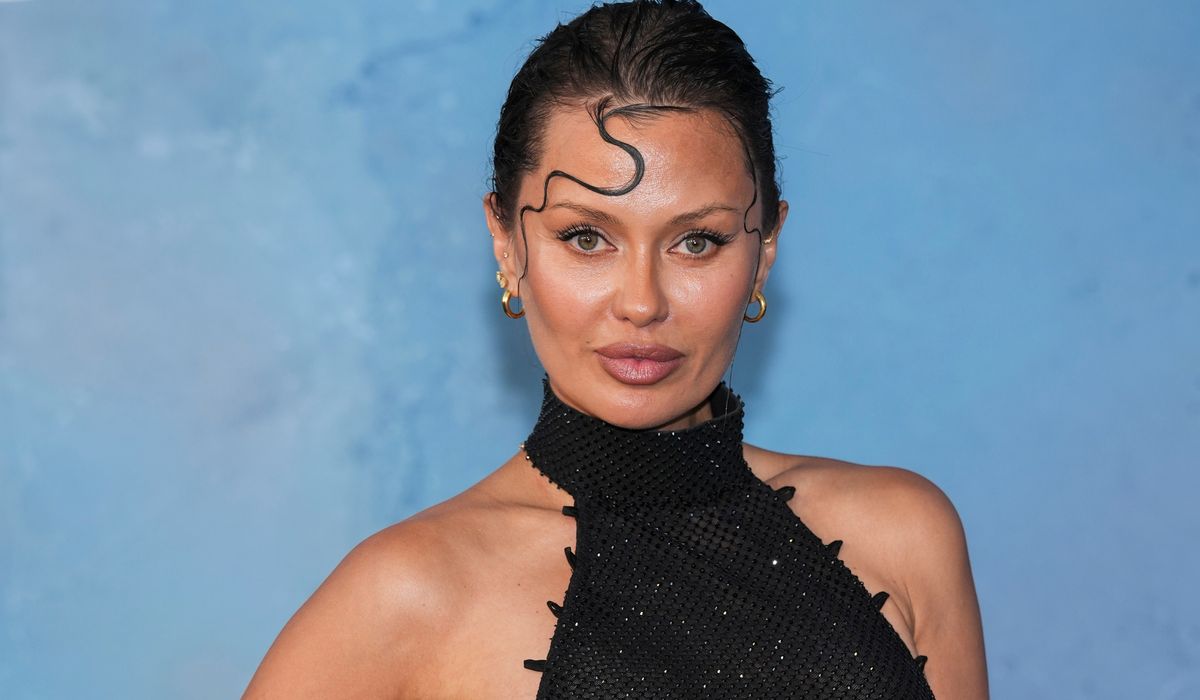
Recent public appeals from Russian influencers criticizing President Vladimir Putin and threats of revolt from some loyalists have exposed a new wave of internal friction in Moscow.
In recent weeks a number of Russian online personalities went public with appeals aimed at President Vladimir Putin, openly criticizing his government and its policies. At the same time, some of his own loyalists reportedly threatened a revolt, creating an unusual mix of public dissent and elite unrest. The combination has produced a visible ripple through Russian political circles.
The fact that influencers are speaking up matters because they reach audiences the old state channels no longer control. Their critiques are not framed as abstract debate but as direct appeals, which undercuts the usual distance between leadership and the public. That shift helps explain why loyalists reacted so sharply and why talk of revolt entered the conversation.
From a Republican viewpoint this episode highlights two clear risks: instability at the top, and the unpredictable consequences that instability can have abroad. When power appears contested, adversaries can make bolder moves and markets can jitter, and those outcomes matter to our security and economic interests. Watching how Moscow handles its own fractures is therefore more than a media story, it is a strategic signal.
Social media and influencer culture change the math for authoritarian governments by amplifying local grievances and spreading them quickly. Where once dissent had to move through clandestine channels, now it can be public and viral, forcing a response. That speed leaves leaders fewer options short of force or concession, and both choices carry risks for stability.
The grievances voiced by these influencers were framed as criticism of government choices and policy directions rather than abstract protest. Those messages tap into broader frustrations that can include economic strain, governance failures, or foreign policy decisions, and they gain traction because they feel immediate. When public dissatisfaction lines up with elite discontent, the political weather becomes notably more volatile.
The fact that loyalists threatened revolt is a worrying sign because it suggests a fracture inside the ruling network rather than disagreement confined to outsiders. Internal threats put pressure on institutions that usually keep leadership cohesive, and the usual mechanisms for managing disputes may not hold. For observers, that means counting not just public statements but how institutions respond behind closed doors.
Republican observers tend to read this as a reminder that global order rests on credible deterrence and clear attention to allies. When a rival shows internal strain, the temptation for miscalculation rises, and prudent policy is about preventing unintended escalations. Keeping a steady posture while monitoring shifts in Moscow is the practical takeaway many on the right emphasize.
This episode also shows how politics now unfolds in public squares that are digital as much as physical, making reputations and narratives central battlegrounds. The mix of influencer appeals and loyalist threats makes the environment unpredictable, and unpredictability tends to raise the stakes for everyone involved. What happens next will depend on whether the Kremlin presses down harder, seeks compromise, or faces a longer period of internal contestation.

