

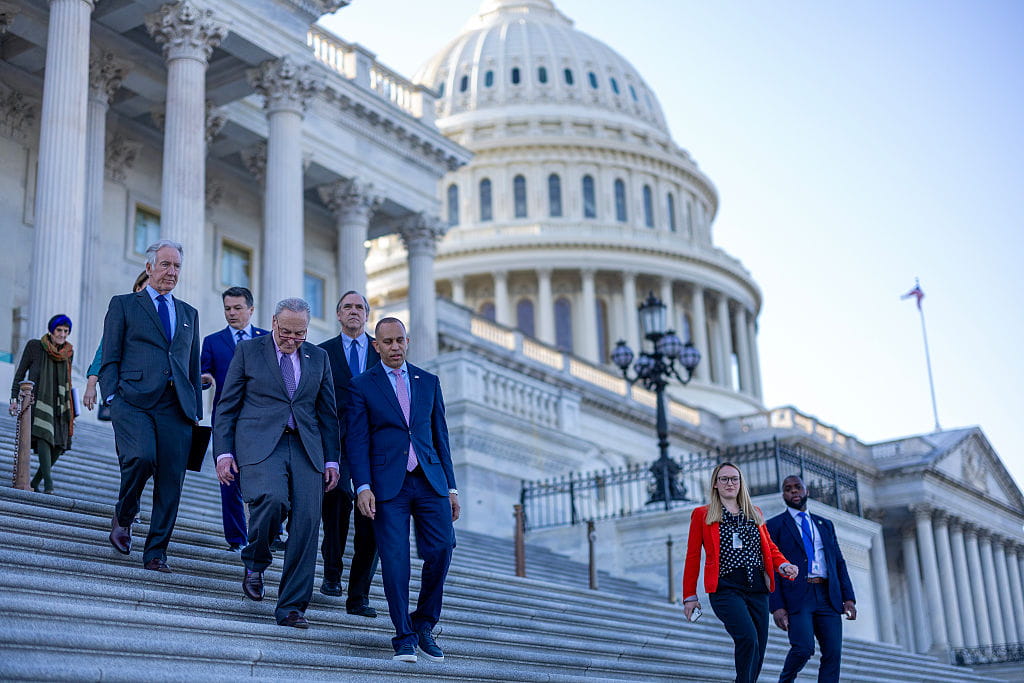
Capitol fights over rules and money are heating up as Republicans press for results and Democrats dig in on procedure, leaving Washington on edge about whether Congress will break its stalemate or buckle under political pressure.
Washington is stuck between Senate rules and the urgent business of funding the government, and those tensions are now front and center. Conservatives want clear wins on spending priorities and border security, while many in the other party lean on procedural tools to slow progress. The clash is as much about leverage as it is about the policy outcomes at stake.
“President Trump is calling for an end to the filibuster, and he isn’t alone.” That line has become shorthand for a larger debate about how much power a determined majority should have to act. Republicans argue that when national security and fiscal responsibility are on the line, rules that empower obstruction should be rethought. The goal is to move legislation rather than be trapped in perpetual delay.
On funding bills, Republicans say the choice is simple: deliver taxpayer-focused budgets and enforce border policy or face steady operational risk for federal agencies. Cutting waste and prioritizing defense, veterans, and law enforcement are presented as nonnegotiable points that must be defended in any appropriations fight. The strategy assumes voters back clear action over procedural theater.
Removing or reforming the filibuster is framed as a last-resort tool to break gridlock and force accountable votes on major issues. Supporters stress that the rule is not sacred if it prevents the majority from doing core duties like passing appropriations. Opponents warn about short-term gains leading to long-term instability, and Republicans counter that change can be narrow and procedural rather than a blanket rewrite of Senate norms.
Congressional leaders are juggling immediate deadlines with broader political positioning, and that balancing act defines much of the current rhythm in the Capitol. Negotiations over spending levels and policy riders will shape whether government keeps running smoothly or whether brinkmanship pushes the country toward shutdown threats. For conservatives, the objective is to translate campaign promises into binding policy rather than temporary press statements.
The math in the Senate matters more than ever, and Republicans are mindful that a fragile majority must pick fights wisely. Using reconciliation or targeted rule changes for appropriations is being discussed as a pragmatic route to get essential bills across the finish line. The underlying message is that when national priorities are threatened, procedural flexibility can be justified to protect the country and advance a conservative agenda.
Political optics are inescapable: voters notice whether lawmakers deliver or merely talk. Republicans are pushing the narrative that decisive action on border enforcement, spending restraint, and support for military readiness resonates with a majority that expects government to work. That means any move to alter the filibuster will be couched as restoring functional governance, not as unleashing partisan power grabs.
There are risks if Congress goes too far or moves too fast; opponents will frame changes as reckless and short-sighted. Still, the counterargument from a Republican perspective is that standing down while agencies operate without focused oversight or funding priorities amounts to negligence. The calculus is whether temporary disruption yields durable reform and whether voters reward lawmakers who choose results over ritual.
What happens next will depend on who blinks first and how negotiators trade policy for deadlines. If Republicans secure appropriations that reflect their priorities and demonstrate concrete improvements at the border and in spending discipline, the institutional fights will be easier to justify. If not, procedural changes will be harder to defend politically, and the GOP will have to answer for any fallout at the ballot box in November.

