

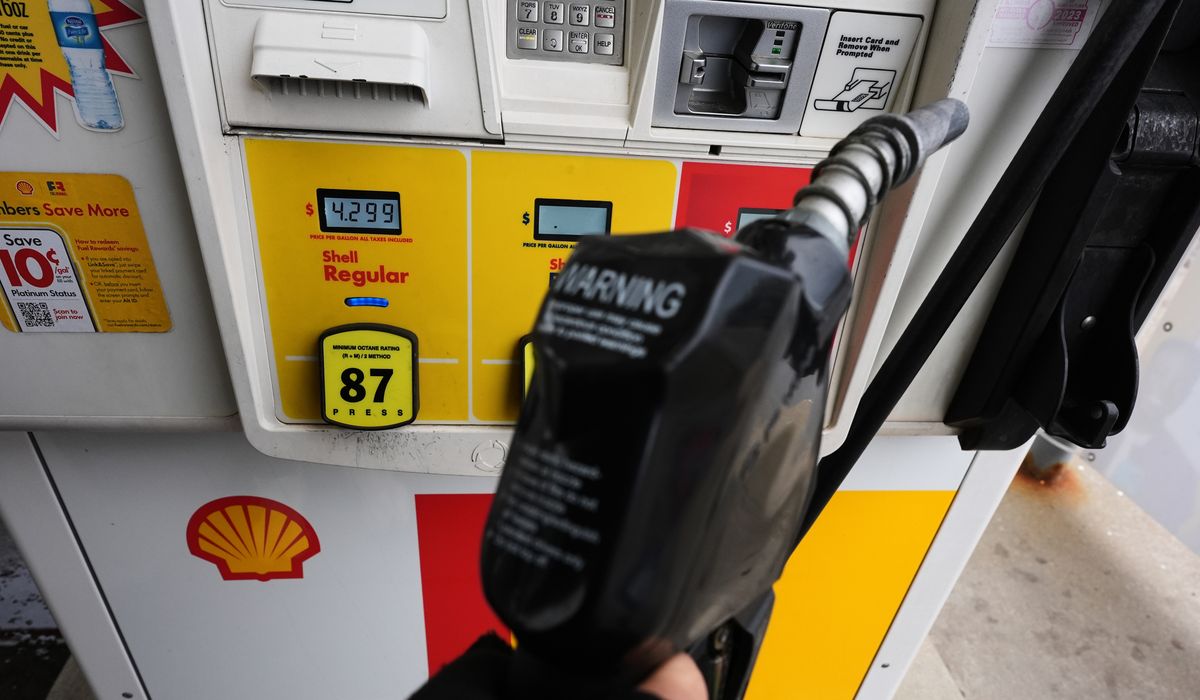
Oil prices climbed after fresh signals from Washington and Teheran shifted market expectations, pushing energy security and U.S. policy back into the spotlight.
Oil prices rose again Tuesday as the Trump administration seemed cool to Iran’s latest proposal for ending the war. Markets are sensitive to even modest signs that diplomacy is faltering, and crude traders responded quickly to the news. That reaction reflects both immediate supply fears and longer-term concerns about stability in the Middle East.
From a Republican viewpoint, the price move underlines why strong American energy production matters more than ever. When foreign conflicts threaten supply, domestic output and resilient policy are the best buffers for our economy. Relying on the strategic petroleum reserve or hand-wringing diplomacy without credible deterrence invites market volatility and higher costs at the pump.
Energy markets are forward-looking, so traders price in the risk that sanctions, shipping disruptions, or military flare-ups could cut supplies. Producers and refiners watch every sign of escalation because even a short-lived shutoff can ripple through inventory and futures markets. That uncertainty raises costs for consumers and squeezes manufacturers, which has a real impact on inflation and household budgets.
Policy choices matter. A posture that blends credible deterrence with clear consequences for bad actors stabilizes expectations and reduces risk premiums baked into oil prices. That means supporting a strong military presence where necessary, backing reliable regional partners, and keeping diplomatic options on the table—but not at the expense of letting adversaries believe they can dictate terms. Markets prefer certainty; a firm, consistent approach delivers it.
On the domestic front, increasing responsible U.S. production and easing unnecessary regulatory burdens put downward pressure on prices over time. Republican policy themes like permitting reform, expanded leasing where appropriate, and unlocking responsible drilling can boost supply and blunt price spikes. Those are practical steps that protect consumers and strengthen American leverage globally.
Using the strategic petroleum reserve can be an appropriate tactical move, but it is not a substitute for policy that prevents crises. The reserve is finite and better reserved for genuine shortages rather than repeated market signaling. Long-term resilience comes from a diversified energy base, including traditional hydrocarbons produced here at scale and increasingly reliable alternatives that reduce overall exposure to foreign disruptions.
Market reactions also reflect trade and shipping risks. Insurance costs, rerouted tankers, and port disruptions add to the bill when conflict risk rises. Private-sector logistics adapt, but adaptation takes time and increases costs that ultimately land on consumers. A solid national strategy minimizes those frictions by combining deterrence, intelligence sharing with allies, and support for free navigation in key choke points.
Investors and consumers watch policy cues closely: firm language that signals consequences for aggression lowers the chance of escalation, and markets reward that clarity. Conversely, ambiguous diplomatic gestures or mixed messages increase perceived risk and make traders hedge their bets by bidding up crude. For Americans worried about fuel and food costs, lower uncertainty in global affairs is a practical economic policy.
Finally, energy independence is more than a slogan—it’s a national security tool that reduces the leverage hostile states can exert through oil markets. Strengthening domestic production, safeguarding supply chains, and maintaining a ready strategic reserve are commonsense moves that protect families and businesses. In a world where foreign conflicts can send prices higher overnight, a pragmatic, assertive energy policy keeps America safer and households more secure.

