

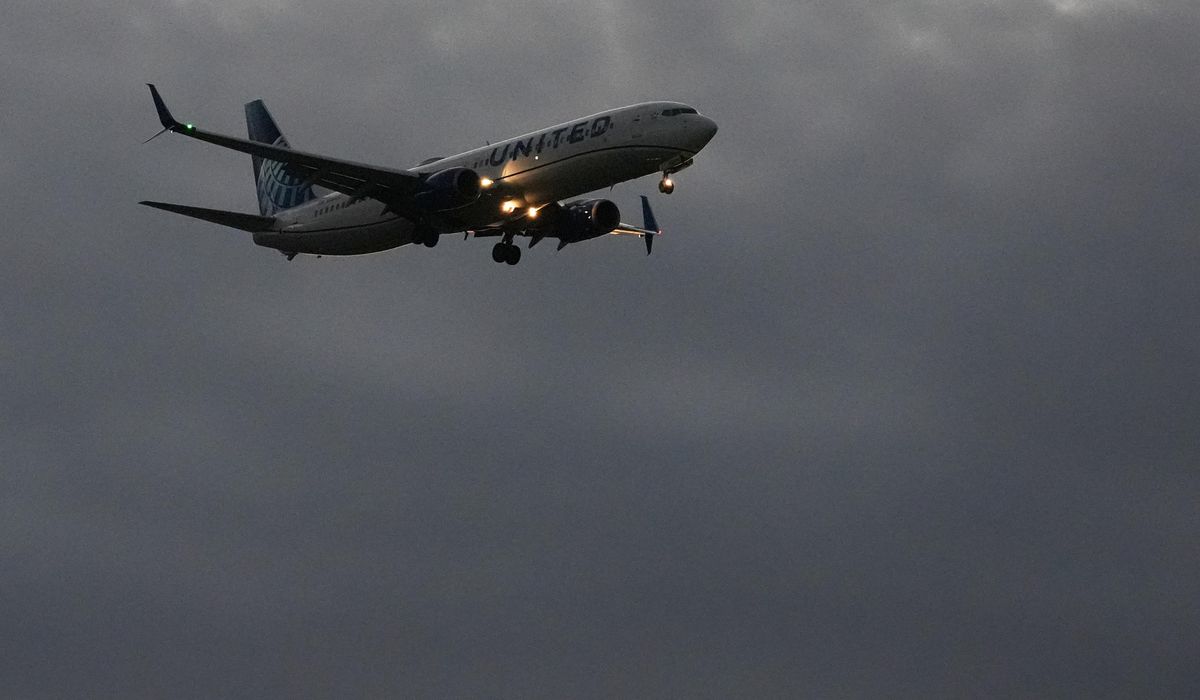
A United Airlines Boeing 737 reportedly struck a drone at about 3,000 feet while on approach to San Diego, prompting an FAA and airline response and raising renewed concerns about drones near airports and the safety of commercial flights.
The incident occurred Wednesday as a United Airlines Boeing 737 was descending into San Diego, with pilots reporting an apparent collision with a drone near 3,000 feet. Passengers described a sudden bump and the crew followed standard procedures to assess aircraft systems before completing the arrival. United and federal authorities moved quickly to notify investigators and collect statements from crew and witnesses.
Although initial reports focused on the unusual altitude for a drone, aviation experts note that drones can climb higher than most recreational users realize, and collisions at 3,000 feet can threaten critical systems or outer structures like radomes and control surfaces. The FAA treats any object striking a commercial aircraft as a serious safety event, so inspections and a formal investigation were expected. That process will look for damage, review cockpit voice and flight data, and try to identify the drone operator if possible.
Airlines are increasingly vocal about the risks posed by unmanned aerial devices near flight paths, arguing that even a small drone can pose an outsized hazard when it hits an airliner. United’s operations team will check maintenance logs and perform non-routine inspections, while the airline’s safety office coordinates with the FAA to understand what happened. In the meantime, passengers who were aboard will likely be questioned and their accounts compared with cockpit reports and any available radar or video.
Local law enforcement and airport authorities often join federal investigators because drone misuse near airports can be a criminal offense under current U.S. rules. The FAA bans drones from flying in controlled airspace without authorization, and there are typically temporary flight restrictions around terminal airspace. Yet enforcement is challenging, and identifying a fast, small drone from the ground or from cockpit reports is often difficult without video or radar that specifically captures the object.
Technology exists to track and sometimes interdict drones, but deployment around civilian airports is uneven and comes with legal and privacy hurdles. Counter-drone systems range from radio frequency jammers to nets launched from other drones, but each approach has tradeoffs and regulatory barriers. Airports and municipalities that prioritize investment in detection equipment can better protect approach corridors, but that requires funding, coordination, and clear rules about how to respond when a drone is detected.
Recreational pilots and commercial operators share a responsibility to know and respect airspace rules, yet incidents keep occurring as drone ownership expands. Education campaigns and stricter penalties are part of the solution, but so are better tools for pilots to report near-misses quickly and for controllers to act on credible threats. When a commercial airplane is struck, it becomes a high-profile reminder that the skies need both clearer rules and more consistent enforcement.
Investigators will try to determine whether the object was indeed a consumer drone, whether the operator was nearby, and whether any air traffic control issues contributed to the event. Officials will also inspect the aircraft for damage that might not be visible at a glance, including internal systems affected by impact or ingestion into engines. The FAA’s findings could influence rule changes, enforcement priorities, or investments in detection around busy terminals like San Diego.
For passengers and crew, the immediate concern is safety; for operators and regulators, the concern is prevention. This incident will likely renew calls for plain-language warnings to drone owners about the legal and safety consequences of flying near airports, and for clearer guidance on when and how to escalate reports of unauthorized drones. The practical challenge remains: balancing the benefits of consumer drone use with the imperative of keeping commercial airspace clear and safe.
As investigations proceed, airports and airlines will reassess policies and check detection systems, while lawmakers and regulators consider whether penalties or technical standards need tightening. What matters most is reducing the odds of another collision and restoring confidence that airspace over populated terminals is being managed with both tech and teeth. The FAA’s formal report and any related enforcement actions will be the next public steps in understanding how a drone and a Boeing 737 crossed paths on approach to San Diego.

