

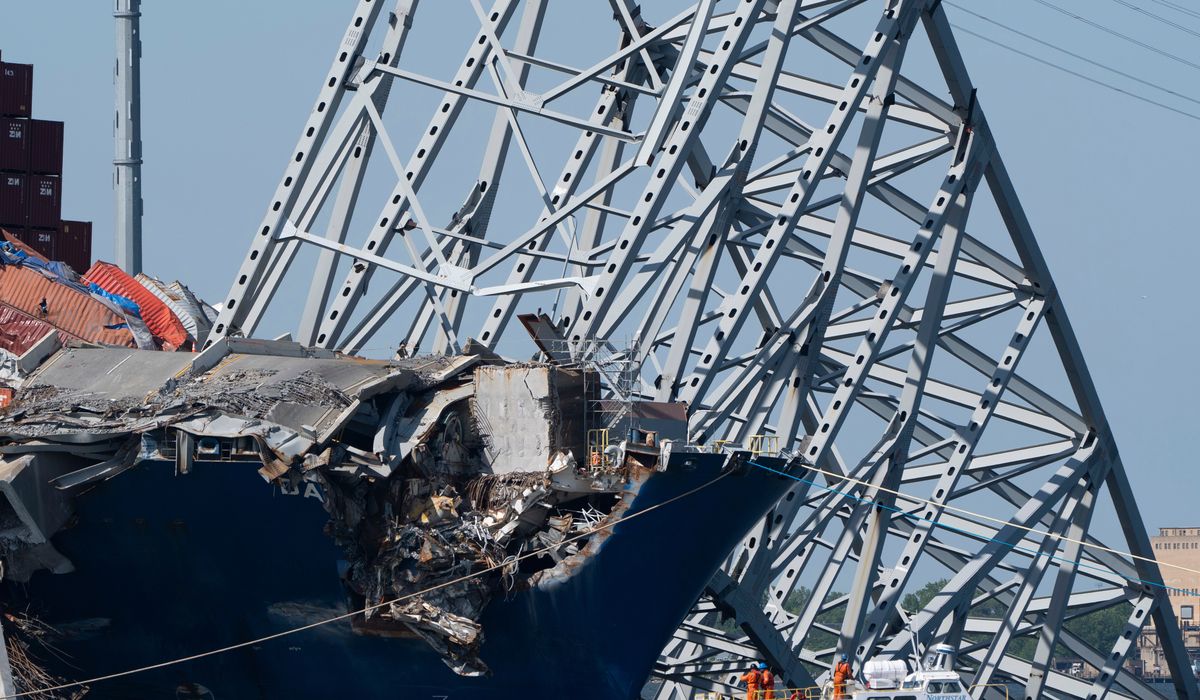
Federal and Maryland officials said Tuesday they will hire a different contractor to lead the rebuild of Baltimore’s Francis Scott Key Bridge due to rising costs and delays in erecting the new span. The move hands overall responsibility for schedule and spending to a new lead while state and federal partners coordinate the transition.
Officials pointed to rising costs and construction delays as the core reasons for changing course, saying the current approach was not delivering the schedule or budget certainty needed. That judgment comes after months of planning and work that left the project facing more uncertainty than officials were willing to tolerate. The decision signals a desire to reset expectations and insist on firmer cost controls going forward.
Switching contractors is not a trivial step; it means reworking contracts, transferring responsibilities and reestablishing lines of communication between the design team, builders and public agencies. Officials said they will take the time necessary to put a new team in place that can meet the agreed targets without further cost creep. The goal is to reduce risk, not to add another layer of delay, even though transitions themselves create short-term complications.
The bridge rebuild is tightly linked to local and regional movement of goods, so any hiccup reverberates through ports, trucking and commuter routes that rely on predictable schedules. Officials emphasized they are watching supply chain and equipment availability closely because those factors often drive both cost and time overruns. Keeping cargo flowing and minimizing disruption to businesses remain core priorities while the rebuild proceeds.
Federal involvement brings additional oversight and funding conditions that change how the project will be managed, and officials said they’ll hold the next contractor to clearer performance metrics. That includes regular reporting, milestone-based payments and tighter audits of invoices and change orders. The intention is to make cost escalation visible early so corrective steps can be taken before overruns compound.
Local communities around the bridge have watched this process closely, and leaders have insisted that the new work respect safety and neighborhood concerns. Officials noted they want the contractor to hire locally where possible and to maintain clear communication about traffic patterns, noise and access during construction. Restoring public confidence is as important as finishing the physical structure because the bridge is a visible symbol of regional resilience.
The technical challenge of erecting a large bridge span involves coordination among engineers, fabricators and heavy-lift contractors, and delays often trace back to sequencing or equipment bottlenecks. Officials said the new lead will be expected to present a realistic, certified schedule and a tighter risk register showing contingency plans for the tricky steps. That level of detail is meant to cut down on surprises that drive costs up and timelines out.
In practical terms, the next phase will include selecting a contractor with proven experience handling complex bridge assemblies under tight timeline pressure and transparent cost controls. Federal and state teams will continue to monitor progress closely and reserve the right to enforce contractual remedies if the work slips again. The replacement decision aims to get the rebuild back on a defensible path so the bridge can be restored with accountability and clear benchmarks guiding every major move.

