

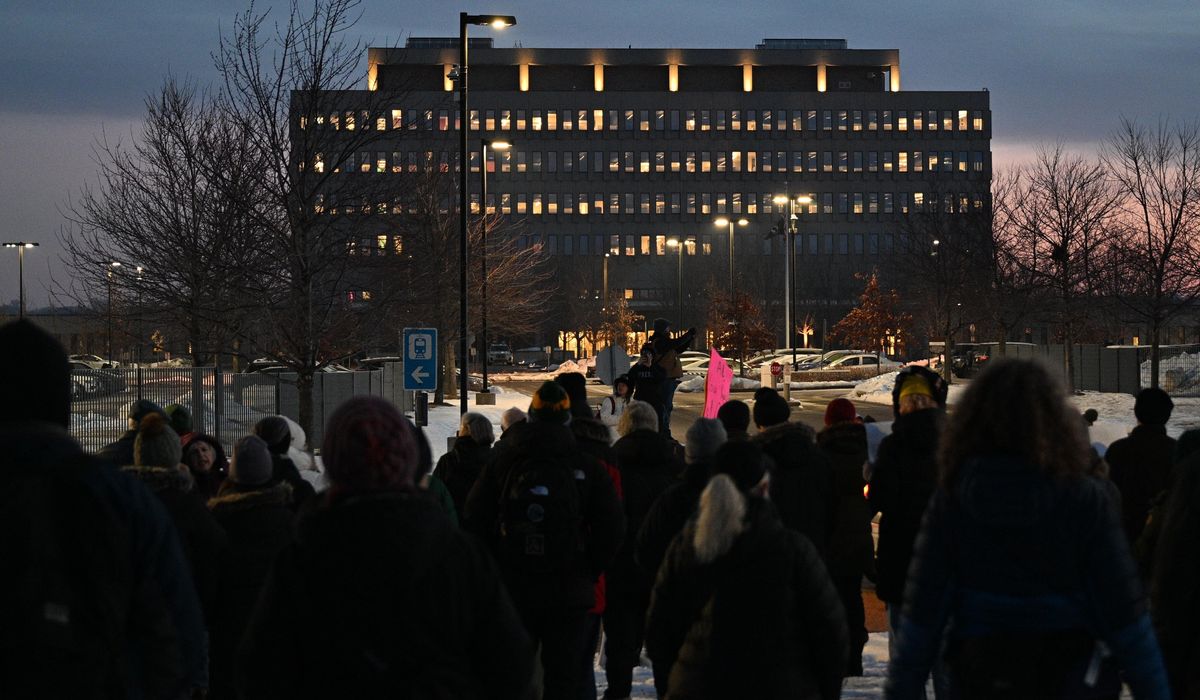
Three family members were charged after an alleged assault on a journalist who writes for a conservative organization during a protest aimed at immigration enforcement operations in Minnesota.
The incident happened amid protests connected to immigration enforcement activity in Minnesota, where tensions are frequently high and crowds can turn hostile. Local authorities moved quickly to press charges against three family members accused of assaulting a journalist reporting on the scene. The case highlights how volatile these events can become when citizens clash with enforcement actions.
The journalist targeted in the alleged assault is identified only as someone who writes for a conservative organization, a detail that added political heat to the situation. Reporters covering tense operations should be able to work without fear of physical attacks or harassment. When members of the public cross the line into violence, it undermines both public safety and the basic protections journalists need to do their jobs.
Protests around immigration enforcement are often loud and emotional, mixing legal objections with raw frustration about policy and procedure. That environment can breed confrontations that end in arrests and criminal charges, as happened in this case. Charging those accused is a necessary step to establish facts and hold people accountable when alleged criminal behavior occurs.
From a law-and-order perspective, the response from local authorities matters as much as the protest itself. Swift filing of charges signals a commitment to protect public safety and to enforce the rule of law regardless of political affiliation. Conservatives who support secure borders also expect that peaceful protest is protected but criminal behavior will not be tolerated.
There are broader implications when the press becomes a target at enforcement-related protests. Attacks on journalists chill reporting and make it harder for citizens to get an accurate view of what is happening. A healthy civic life depends on clear lines: people can protest and officials can enforce the law, but violence against anyone—especially those documenting events—must be addressed firmly.
The legal process now takes the lead: those charged will face the courts, where evidence will determine guilt or innocence. Due process is a core value, and charges are allegations that require proof in court. Still, charging alleged assailants helps ensure incidents are investigated rather than ignored, which is important for community trust.
For Republicans and others who value order and fair enforcement, the case reinforces a simple point: protests must stay peaceful and officials must be able to do their jobs. That includes immigration enforcement actions taken under legal authority and journalists covering those actions. When crowds escalate to physical attacks, it weakens the public’s confidence in both civic engagement and enforcement institutions.
Local leaders should use this moment to insist on protections for reporters and on clear, consistent enforcement of laws against assault. Communities benefit when authorities act transparently and fairly after incidents like this, showing that nobody is above the law. That approach reassures residents and preserves basic civil liberties that everyone relies on.
As the situation unfolds in court, the facts will come out through testimony and evidence, not through social media spin or heated rhetoric. The criminal process exists to sort those facts and to apply the law evenly. Meanwhile, the episode serves as a reminder that public protests tied to enforcement actions need boundaries to keep the peace and protect people doing their jobs.

