

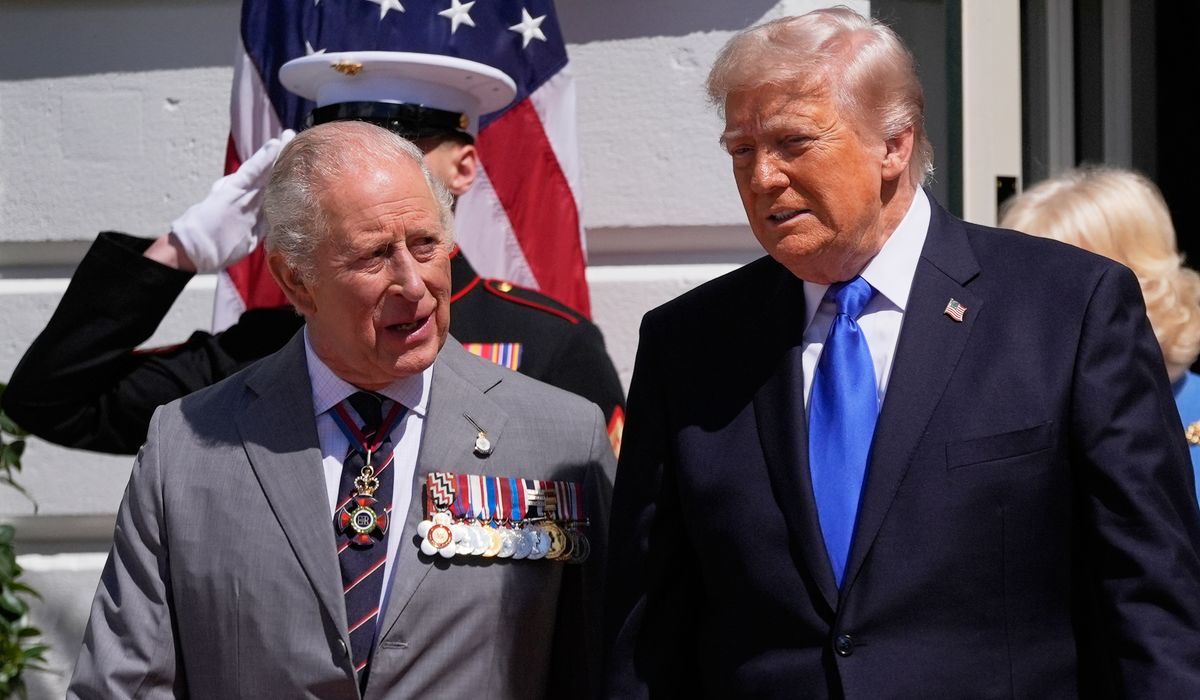
President Trump and first lady Melania Trump bid farewell to King Charles III and Queen Camilla at the White House on Thursday following the royals’ four-day overseas excursion.
The farewell at the White House was a clear display of cordial relations between two institutions that carry a lot of history and pageantry. Scenes like this matter because they show respect and continuity between allied nations. For conservatives who value strong alliances and tradition, the moment underscored steady diplomacy performed with American confidence.
The Trumps’ send-off combined formal protocol with a distinctly American posture: proud, welcoming, and straightforward. That blend matters in modern statecraft, where optics reflect policy and posture. Republican observers often see these encounters as confirmation that America can host and lead without losing its identity.
Royal visits are more than ceremonial theater; they are opportunities to reinforce shared values and practical ties. Business, culture, and security conversations happen in the margins of pomp, and dignified receptions help those talks along. A presidential farewell signals respect while also projecting the stability that investors and partners look for.
The White House setting added an unmistakable layer of American symbolism to the event, reminding foreign guests who holds the stage. Hosting a monarch is a chance to highlight America’s institutions and the respect they command. Conservatives take note when leaders use those moments to assert national dignity while extending hospitality.
Melania Trump’s role at the farewell fit the usual pattern of first-lady diplomacy, where fashion and manner complement the messaging. Such details are part of the theater but they also soften the edges of high-stakes visits. From a Republican standpoint, smart presentation by the first family supports clear, disciplined leadership.
The relatively brief four-day excursion by the royals was wrapped in ceremony, yet it also served everyday diplomatic purposes. Visits like this keep lines of communication open and remind both countries of their mutual interests. They also offer the chance to display mutual respect without getting bogged down in partisan noise.
For supporters of a strong, assertive America, a polished state visit and a respectful farewell both matter. They signal that the nation can be gracious without appearing weak, attentive without being subservient. That posture makes diplomacy effective and preserves leverage when negotiations matter most.
Beyond the symbolism, these encounters shape public impressions at home and abroad, and those impressions can influence future cooperation. Leaders who manage appearances well create space for substantive results later on. The Republican view tends to value that practical payoff over empty ceremony.
This particular goodbye was a snapshot of modern diplomacy: ceremonial, controlled, and carefully staged to communicate competence. It reinforced an image of leadership that balances respect for tradition with a focus on national interest. In that light, the farewell lived up to what many expected from a high-profile exchange between allied figures.
Events like the White House farewell also remind voters that statecraft is part of governing, not a sideshow. Hosting distinguished guests well reflects on the administration and the country it represents. For conservatives, those moments should always be used to project strength, civility, and practical purpose.

