

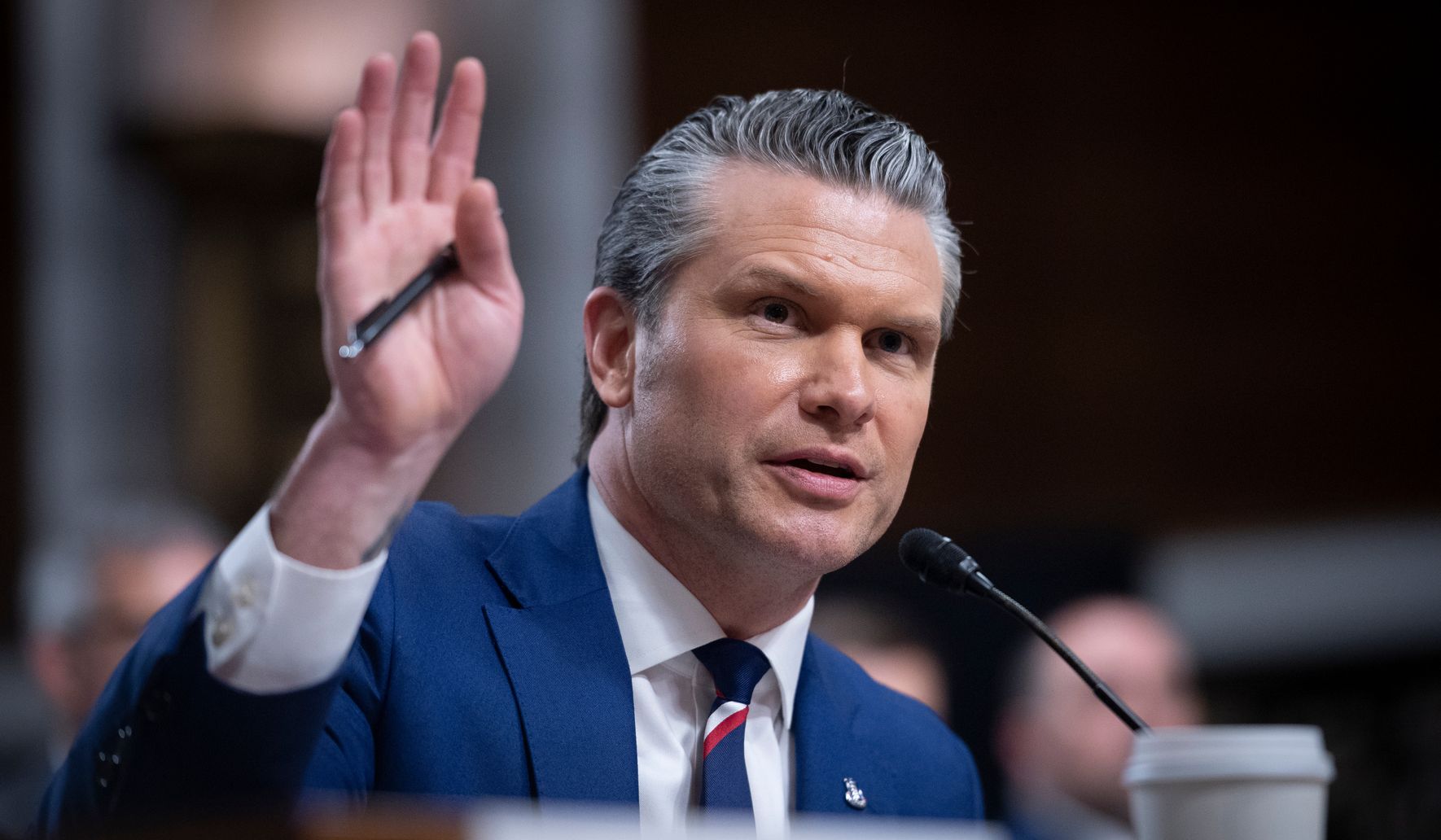
Secretary of Defense Pete Hegseth ordered the withdrawal of about 5,000 U.S. troops from Germany, a move announced days after the German chancellor publicly criticized U.S. strategy in the war in Iran and prompting immediate debate about alliance cohesion and American strategic independence.
Pete Hegseth’s decision to pull roughly 5,000 service members out of Germany is being framed as a direct response to strained political relations after public criticism from Berlin. The announcement landed fast and loud, and it instantly shifted questions from routine basing logistics to the heart of allied trust. Republicans will read this as a firm answer to partners who undercut coherent U.S. policy while expecting American protection.
This withdrawal is not just a numbers story; it’s a message about who sets America’s military posture. Moving troops sends a signal that Washington will not tolerate public second-guessing that undermines deterrence against our adversaries. For conservatives who favor clear consequences and stronger bargaining leverage, the move looks like a necessary recalibration.
Operationally, moving 5,000 troops involves planning, staging areas, and temporary posture changes across Europe and possibly the Middle East. That kind of shift is disruptive, but it also creates flexibility to reposition forces where they actually deter aggression. The practical effect may be a more tailored footprint and faster response options for commanders focused on the Iranian threat.
Politically, the decision throws Germany into the spotlight for its public rebuke of U.S. strategy in the Iran conflict, an incident that many Republicans say revealed a split in allied priorities. The chancellor’s criticism opened the door to arguments in Washington about burden sharing and political reliability. Taking action now avoids rewarding public criticism with continued privilege and access.
There are diplomatic costs to the move, and allies will grumble about basing and burden-sharing realities that have long been part of NATO life. Still, from a Republican perspective, showing consequences for political behavior preserves U.S. leverage and protects troops by ensuring base access isn’t taken for granted. Allies that act like adversaries in public need to know there are limits to American patience.
Military planners will be watching readiness metrics closely as units shift and infrastructure at established bases sees reduced activity. The short-term disruptions are manageable if the strategy is clear: concentrate forces where they deliver deterrence and quick reaction. If repositioning raises costs, those are calculated expenses of reasserting American decision-making and protecting service members from being used as political props.
Strategists also note the broader message to Tehran and other rivals: the United States will not be paralyzed by ally squabbles or public criticism from supposed partners. A firmer posture communicates that Washington is willing to act independently to secure vital interests, including countering Iranian aggression. That posture, Republicans argue, enhances deterrence and prevents adversaries from exploiting allied divisions.
Domestically, the move plays differently across the political spectrum, but it resonates with voters who want leaders to defend American interests without apology. Conservatives favor decisive responses over prolonged diplomatic equivocation, and this troop shift fits that worldview. The political calculation here is straightforward: stand firm, even if it creates short-term diplomatic friction.
What happens next will depend on private negotiations between Washington and Berlin and on whether allies choose to repair the diplomatic rift. If Germany adjusts its public posture or offers ways to reinforce shared goals, some of the political heat could cool. Until then, the removal of about 5,000 troops will be read as a clear example of U.S. leadership that prioritizes strategic clarity and accountability among friends.

