

Local health agencies say a person with measles was contagious while moving through multiple locations in the Washington area, creating possible exposures that public health officials are tracking and investigating.
A confirmed case of measles has prompted regional health partners to review where the infected person traveled during the contagious period. Officials described the situation as a targeted exposure event rather than a widespread outbreak, while they work to identify and alert people who may have been at risk. The focus is on tracing contacts and understanding when and where transmission might have occurred.
Measles is highly contagious and can spread before symptoms appear, which makes tracing travel and contacts urgent. The virus transmits through respiratory droplets and can linger in enclosed spaces for hours, increasing the chance that casual, brief contacts could have been exposed. That contagion profile is why health teams move quickly to map potential exposures and issue guidance.
Typical measles symptoms include high fever, cough, runny nose, red eyes, and the characteristic rash that follows. Symptoms usually appear 7 to 14 days after infection but can show up as early as 7 or as late as 21 days, complicating efforts to pin down exact exposure windows. Health officials emphasize monitoring for these signs in the weeks after possible contact.
Public health staff are contacting people identified as likely to have been exposed and offering information about testing and precautions. They are also coordinating with local clinics and hospitals to make sure providers know to consider measles in patients with compatible symptoms. Testing can confirm infection and help public health teams decide on next steps.
The highest risk groups include infants too young to be vaccinated, pregnant people, and people with weakened immune systems. Because of that, agencies prioritize notifying those populations and ensuring they get tailored advice. For the broader public, vaccination remains the most effective defense against measles.
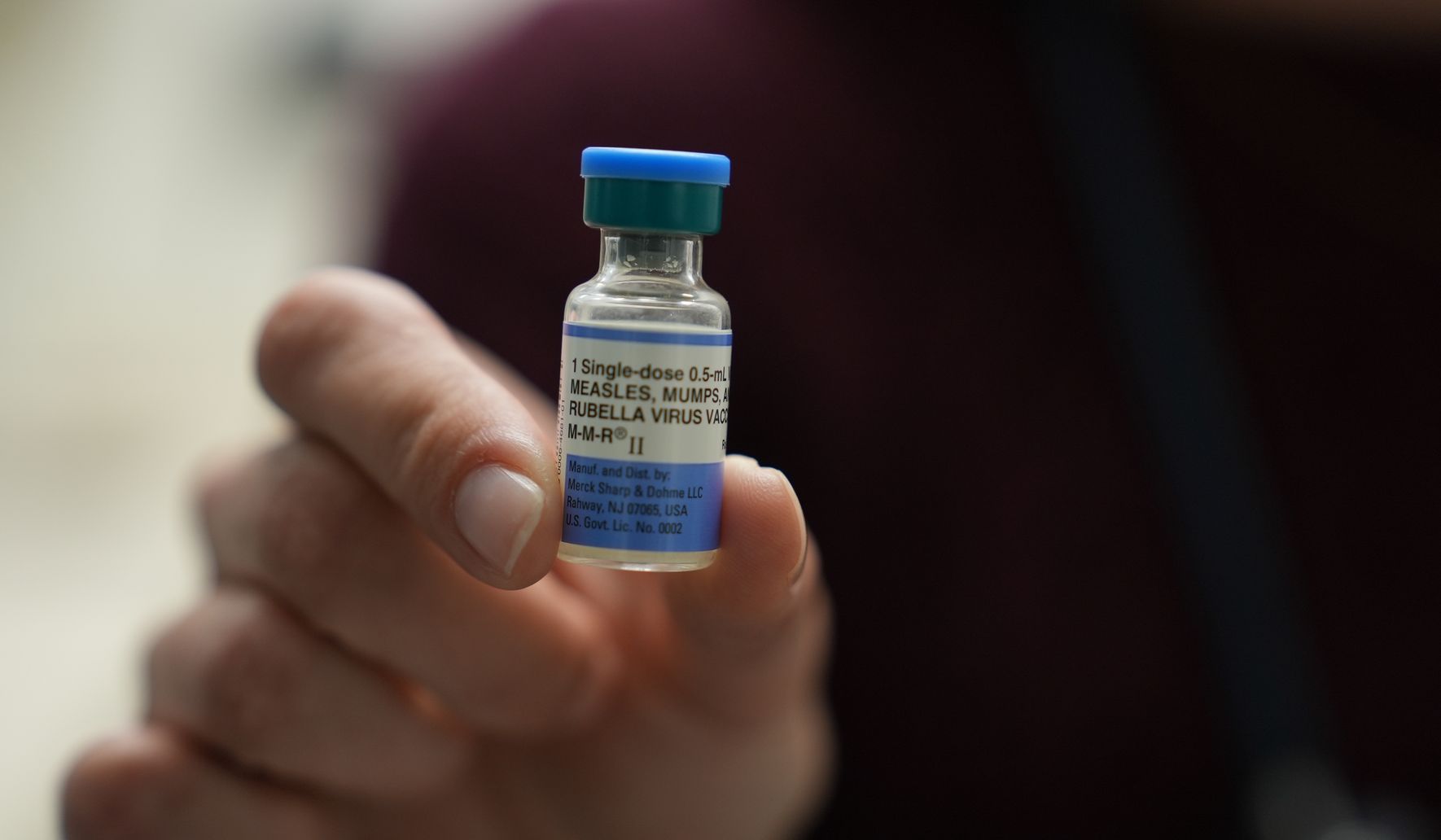
Vaccination with two doses of the MMR vaccine has proven very effective at preventing measles and limiting spread when cases occur. Health records and community coverage matter — even a single imported case can find susceptible pockets where coverage is lower. Officials note that maintaining high vaccination rates is the long-term way to prevent similar exposure events.
During an exposure investigation, public health teams typically document travel itineraries, potential contact locations, and timelines, then cross-check that information with clinic and hospital reports. That investigative work helps determine who should receive testing or other medical follow-up. It also guides whether broader community alerts are needed.
Officials are sharing details as they become available and will adjust recommendations based on new findings from contact tracing and laboratory results. Transparency about exposure windows and locations helps communities assess their own risk without creating unnecessary alarm. The situation remains under active review by regional health agencies working together to limit any further spread.

