

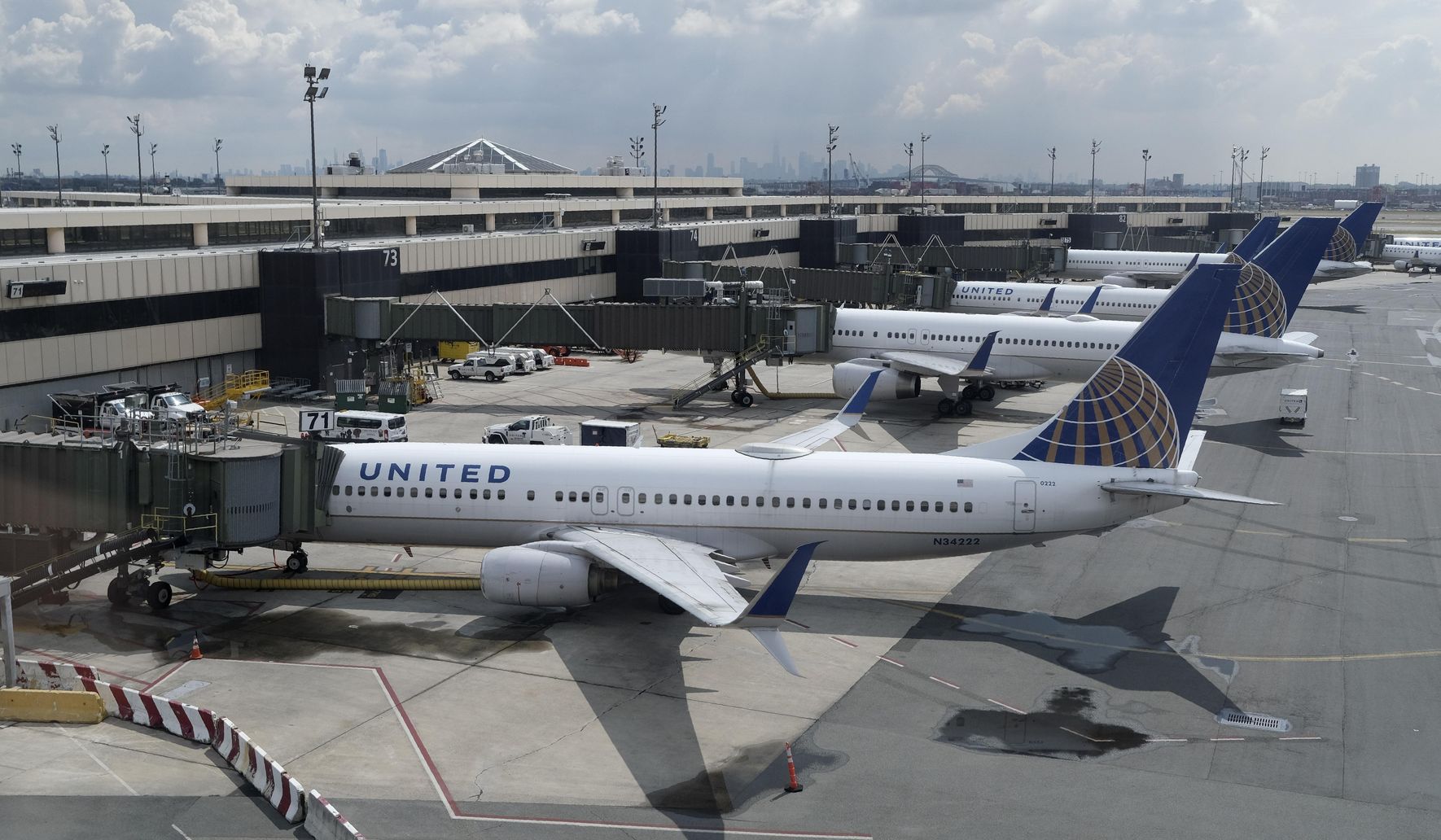
A United Airlines plane hit a delivery truck from a Baltimore bakery Sunday while the passenger jet was attempting to land at Newark International Airport, police said. The collision raised immediate questions about how a ground vehicle and a landing aircraft came into contact at a major airport, and officials have opened inquiries into the circumstances.
A United Airlines plane hit a delivery truck from a Baltimore bakery Sunday while the passenger jet was attempting to land at Newark International Airport, police said. That brief, stark statement came from local authorities as first responders arrived on scene to assess the situation. Details remained limited in the immediate aftermath while investigators began collecting information.
Eyewitness accounts from the ramp and taxiway areas described a sudden, unexpected contact between the aircraft and the truck, prompting a quick operational response. Emergency personnel and airport security secured the area and assisted with scene management. Officials emphasized that safety protocols were being followed as investigators documented the incident.
The delivery truck was identified as belonging to a Baltimore bakery operation, which raised questions about how a commercial vehicle accessed the area near landing traffic. Ground deliveries and service vehicles routinely operate on airport property, but those movements are governed by strict clearance procedures. Any breakdown in that chain of command becomes a focal point for investigators.
Newark International Airport is a busy hub with tight schedules and constant movements, where clear communication between air traffic control and ground crews is essential. When a runway or adjacent area becomes involved in an incident, controllers and operations staff typically halt or reroute traffic to preserve safety. Aviation experts say that even minor miscommunications on the ramp can have outsized consequences when large jets are involved.
Authorities indicated the investigation would look at both human and mechanical factors to determine cause and responsibility. That means reviewing radio logs, vehicle transponder data, and surveillance footage from the field. Standard procedure also includes interviewing personnel on duty at the time to piece together a timeline of events.
Regulatory agencies often play a role in reviewing incidents near runways; the Federal Aviation Administration and the National Transportation Safety Board have established processes for cataloging and examining occurrences that threaten safety. While not every incident rises to a formal NTSB investigation, records are kept and trends are tracked to improve procedures. Any findings can lead to updated rules or revised training for ground operators and air crews.
Aviation safety specialists note that vehicle incursions are among the risks airports manage daily, alongside wildlife strikes and routine equipment failures. Training emphasizes situational awareness and strict adherence to issued clearances before any vehicle moves into areas used by aircraft. When standard practices break down, the results can be immediate and hazardous, prompting rapid reviews afterward.
For passengers and crew, any contact between an aircraft and ground equipment is jarring even if it results in minimal damage. Airlines maintain protocols to check aircraft integrity, assess passenger safety, and communicate next steps without creating panic. The priority after an event like this is ensuring everyone aboard and on the ground is safe and that the aircraft is fit to continue service if appropriate.
Airport operations teams balance the need to resume flights with the requirement to preserve evidence for investigators, which can delay normal schedules. That balance often results in temporary ground holds or diversions while inspectors examine the aircraft and the vehicle involved. Public information updates usually follow once authorities complete initial assessments and confirm there are no outstanding hazards.
The bakery company that owned the truck and the airline both become part of the follow-up examination, as insurance, liability, and corporate safety practices come under review. Companies operating on airport property are expected to meet specific training and vetting standards for drivers and delivery procedures. Findings from inquiries can influence contractual arrangements and future airport access permissions.
Local police reported on the scene management and initial statements, and investigators continued to gather records and physical evidence. As more data is reviewed, timelines and exact movements will be reconstructed to identify any deviations from standard operating procedures. That reconstruction is key to preventing similar incidents in the future.
Ultimately, the focus for airport officials and regulators will be on lessons learned and practical changes that reduce risk without disrupting essential services. From updating checklists to refining communication protocols, the aviation community treats each event as an opportunity to tighten safeguards. Passengers and operators alike expect clear answers and concrete steps once investigations conclude.

