

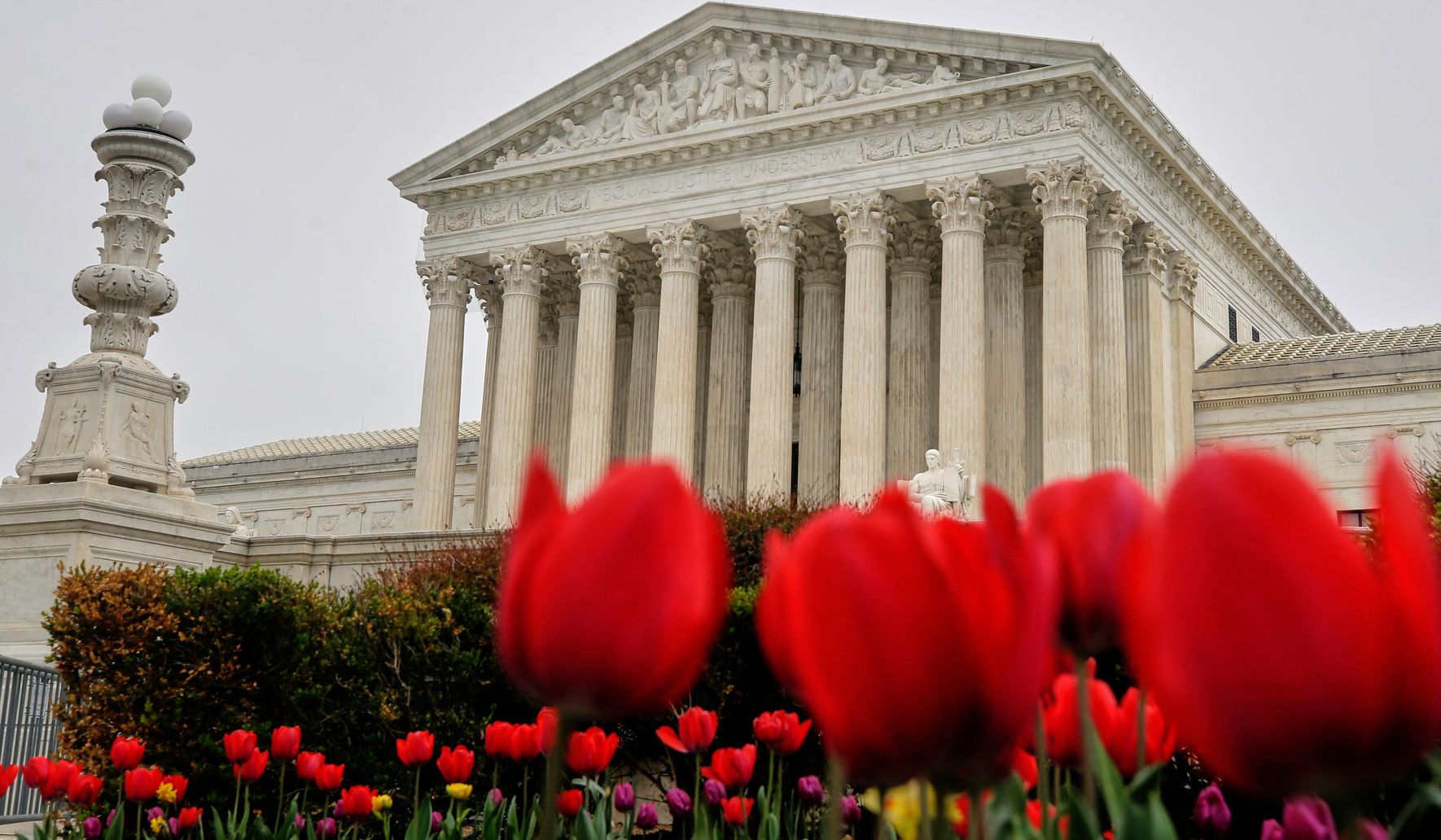
The Supreme Court on Monday moved up its final judgment in last week’s Voting Rights Act case, giving Louisiana a short-term advantage as state officials race to redraw the congressional map ahead of November’s election.
The court’s decision to speed the process matters because it changes the timing around a dispute that could have clogged the timetable for candidates and election officials. Louisiana officials now have clearer, if still pressured, footing to revise districts and meet filing deadlines. For a state that prizes orderly elections, any extra time can make a real difference in logistics and voter confidence.
From a conservative standpoint, the ruling underscores the value of judicial restraint and respect for state authority over election administration. Federal courts should avoid last-minute disruptions that force states into chaotic fixes or confusing voter materials. Speeding a final judgment in this context reduces uncertainty and helps officials plan without a looming, open-ended court order.
Redrawing congressional lines is never just a technical exercise; it hits at voters’ representation and political balance. Louisiana’s leaders face a narrow window to redraw maps that comply with federal law while preserving communities and incumbency where possible. The Supreme Court’s expedited timeline gives those leaders the chance to act without the immediate threat of a court-imposed map close to ballots being printed.
Critics will say accelerating judicial action favors one side or the other, but the practical point is that elections need clear rules well before Election Day. When judges delay decisive rulings, states are left scrambling and voters lose trust in the process. A prompt ruling helps restore order and lets local officials proceed on a schedule that serves voters rather than litigation timetables.
Legal fights over the Voting Rights Act are inherently complicated and fact-heavy, involving demographics, geography, and years of election results. Courts must balance those facts against statutory commands while avoiding raw policymaking. The Supreme Court’s move signals a preference for getting the legal analysis done in time for states to implement results rather than forcing emergency fixes at the last minute.
Louisiana officials still face real choices about how to draw lines that both comply with the law and respect the state’s political and cultural geography. Those decisions will be scrutinized and almost certainly challenged again in court by opponents who see political disadvantage. Even so, having a predictable timetable makes it easier for the state to present defensible maps and for voters to understand what will be on their ballots.
There is a broader conservative case here about the proper roles of local and federal institutions in running elections. When federal courts step in late and without urgency, they can create confusion that benefits litigation rather than democracy. A ruling that moves the process along, rather than prolonging it, better serves stability and respects the responsibilities voters place in state officials.
At the same time, the underlying Voting Rights Act concerns remain weighty and important, and the court’s speed does not shortcut the need for careful legal work. Judges must still apply the law impartially and thoroughly, even on an accelerated clock. What matters for voters is that the legal process delivers clear, enforceable rules far enough in advance of November to allow campaigns and election administrators to prepare.
The coming weeks will show how Louisiana’s leaders respond to the window the court has created and whether the maps they draw hold up under scrutiny. For conservatives who want clean, predictable elections, the court’s decision to expedite judgment provides a path toward clarity. That clarity is essential for candidates, officials, and most of all, voters who deserve an orderly process they can trust.

