

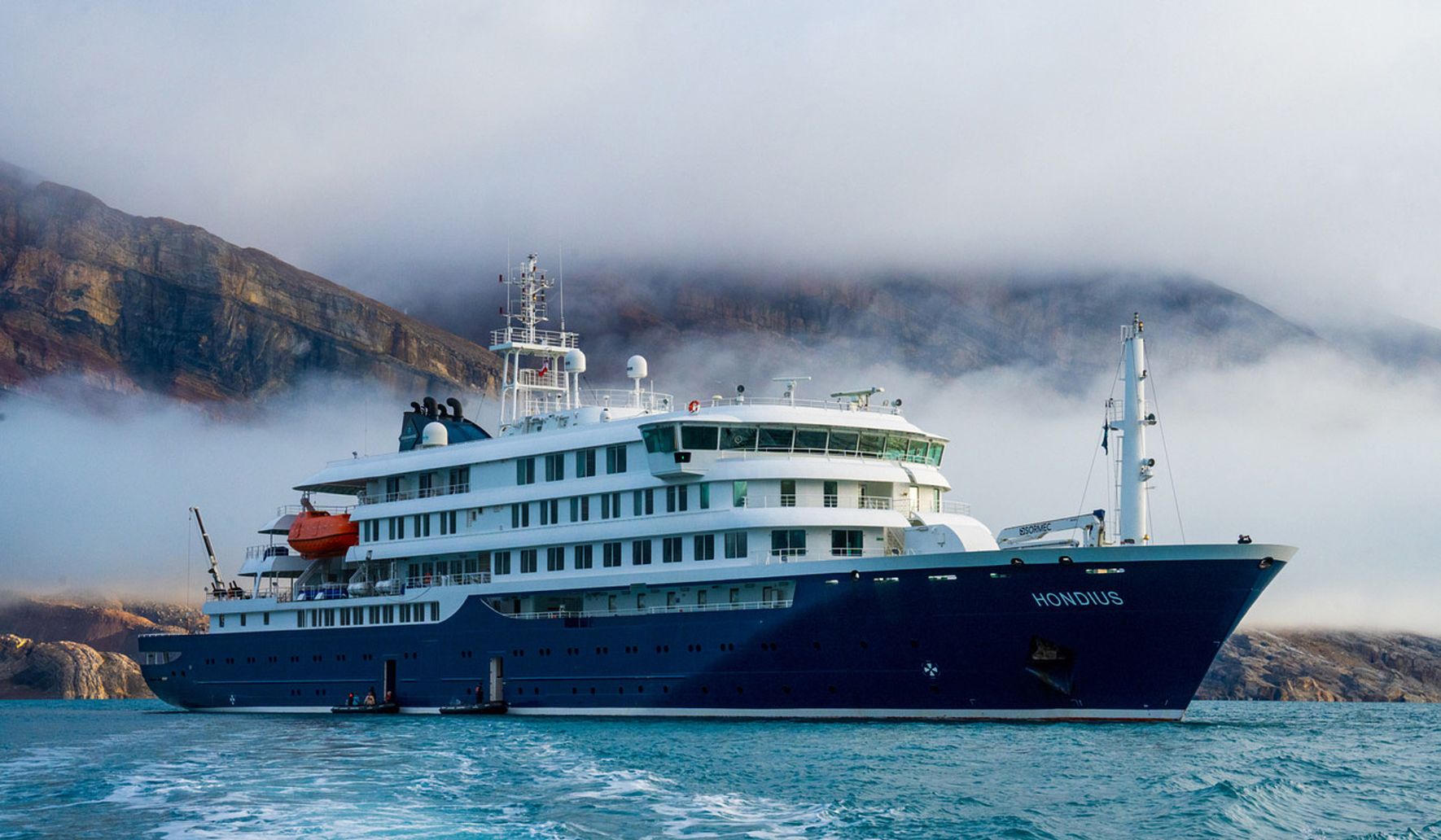
A suspected hantavirus outbreak on a Dutch cruise ship reportedly killed three people and left at least five others seriously ill, including two crew members who required urgent care.
The report of multiple deaths and several severe illnesses aboard a Dutch cruise ship has raised alarm among passengers and health authorities. Officials describe the situation as a suspected hantavirus outbreak, with three confirmed fatalities and at least five others in serious condition. Among the ill are two crew members who needed urgent medical attention, which prompted rapid response efforts on and off the ship.
Hantaviruses are a group of viruses typically carried by rodents, and infections can be severe in humans, often attacking the lungs and other organs. Transmission usually occurs when people inhale infected dust contaminated with rodent urine, droppings, or saliva, so crowded and enclosed environments can raise the risk if rodent infestations go unnoticed. Symptoms often start with fever and muscle aches and can progress quickly to breathing difficulties, which explains the urgency in the medical response.
Cruise ships are designed to handle medical emergencies, but an outbreak on board presents unique challenges for containment and care. Ship medics work in limited spaces with finite supplies, and moving seriously ill patients off the vessel requires coordination with port health authorities and local hospitals. The presence of multiple seriously ill people, including staff, complicates logistics and heightens the need for swift, organized intervention.
Public health teams usually step in to investigate suspected viral outbreaks by conducting tests, tracing contacts, and inspecting the vessel for potential sources such as rodent activity. Environmental samples and patient specimens are key to confirming hantavirus as the cause, and results can take time depending on the testing methods used. Until tests are conclusive, authorities often treat the situation conservatively to prevent further spread and to protect crew and passengers.
For passengers, an incident like this can be disorienting and stressful, especially when a few people become gravely ill. Cruise lines typically offer isolation areas and reinforce cleaning protocols while informing passengers about symptoms and next steps. Clear communication matters in these moments, but fear can still spread quickly, so calm, factual updates from officials are essential.
Cruise operators and port health services are likely to review sanitation and pest-control records as part of the response. Identifying gaps in rodent-proofing, waste management, or maintenance is a practical step to lower future risk. Even with strong procedures, vessels that spend time in multiple ports must stay vigilant because exposure risks vary by region.
When crew members fall ill, passenger safety and vessel operations both face strain, since trained staff are needed to maintain essential services. Replacing skilled crew on short notice is rarely possible at sea, which is why medical evacuations are sometimes necessary for severe cases. Bringing crew to shore for urgent care helps preserve ship operations and ensures patients receive the full range of hospital treatment.
Authorities will also consider whether any passengers or crew need longer-term monitoring after disembarkation, depending on test results and clinical progress. Hantavirus infections can have a range of outcomes, and follow-up care helps identify late complications and supports recovery. Public health agencies generally provide guidance on symptom monitoring and when to seek medical help once people return home.
News of the deaths and critical illnesses has put a spotlight on the need for rigorous health protocols in travel settings. While serious outbreaks are uncommon, this event underscores how quickly a contagious or environmental threat can impact a closed environment. The priority now is accurate diagnosis, protection of everyone on board, and lessons learned to prevent recurrence.

