

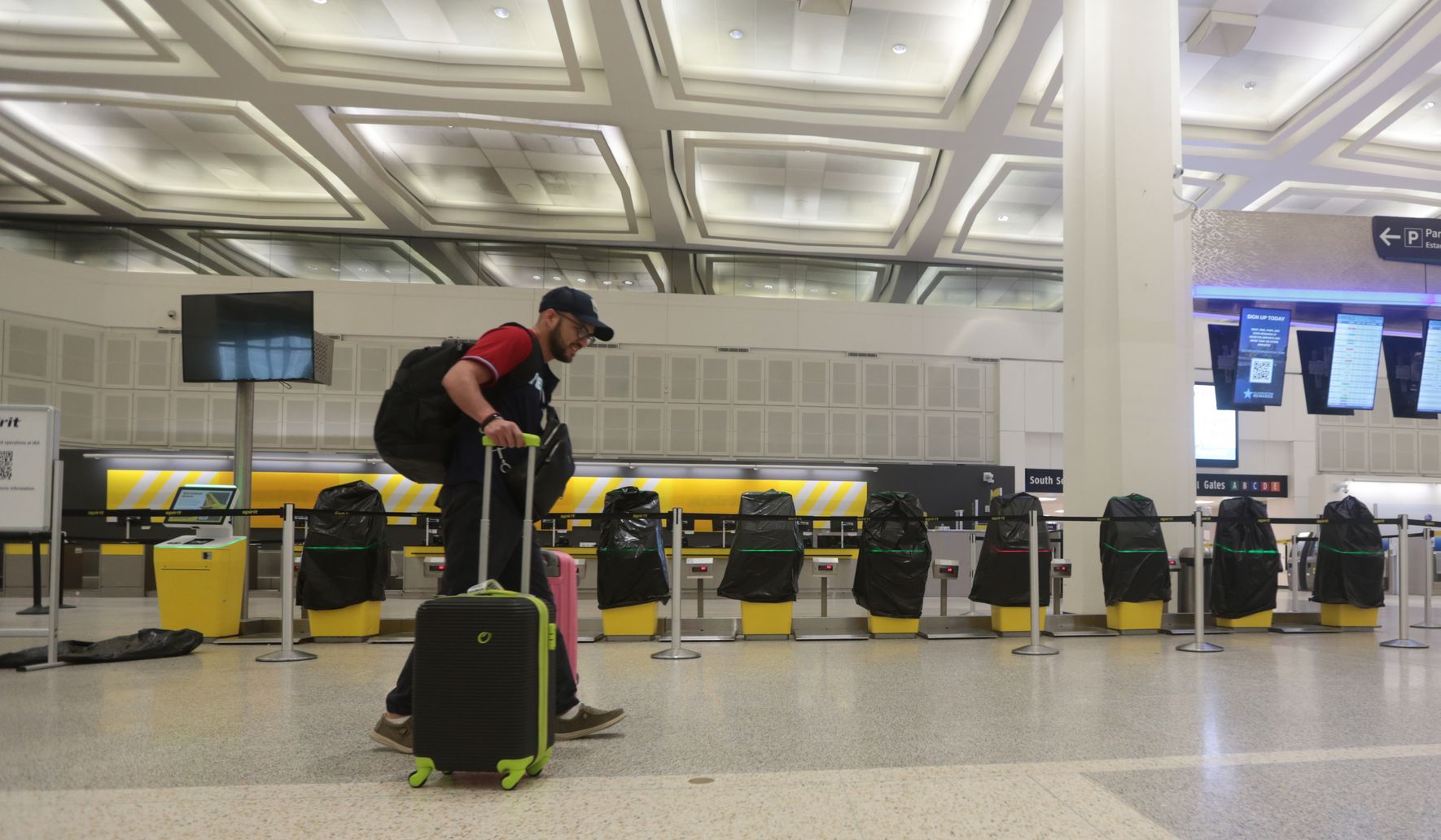
“The bright yellow planes are grounded. Now the selloff begins.” — A quick look at what happens next when an airline’s fleet and network move from operation to asset disposal.
The image of a grounded fleet says a lot without many words. When an airline stops flying its regular schedule, an immediate chain reaction unfolds that affects workers, passengers, creditors, and the aircraft themselves.
Grounding aircraft shifts the company from a revenue operation to an asset-management problem almost overnight. Aircraft that were carriers of passengers become inventory: airframes, engines, spare parts, and route slots that hold value in different markets.
Lessors and creditors typically move fast to protect their positions, pressing to repossess or remarket high-value planes. Those lessors will assess the condition of each aircraft, prioritize repossession where debt exposure is highest, and line up buyers or brokers to place assets into the secondary market.
For employees, the moments after grounding are chaotic and uncertain. Senior staff, flight crews, maintenance teams, and ground personnel all face furloughs, layoffs, or reassignment conversations while benefits and payroll questions get pushed to the fore.
Passengers sit in the middle of the disruption with immediate ticketing and travel problems. Refunds, rebookings, and customer service claims often backlog, and third-party travel platforms and credit card issuers can complicate recovery of funds for affected travelers.
Airframe and engine values drive a lot of the short-term financial calculus. Narrow-body jets that dominate low-cost carriers tend to have healthy demand among airlines needing quick capacity or brokers looking to strip parts and resell components.
The spare parts market itself becomes a revenue stream; items like avionics, landing gear, and engines can be disassembled and sold to operators who need immediate replacements. Component demand means the fleet can be monetized piecemeal long after routes stop flying.
Airport slots and gate leases are another piece of the puzzle, especially at congested airports where access is scarce. Competing carriers can move to snag time slots, while landlords and airport authorities renegotiate lease terms or seek new operators to fill gaps.
Regulatory and oversight bodies play a role in the transition, especially where safety and airworthiness are concerned. Deregistering aircraft, transferring maintenance records, and certifying airworthiness for new operators require paperwork and inspections that can slow or accelerate asset disposition.
Creditors often form committees to coordinate strategy, weighing options like selling aircraft as a package, auctioning prized airframes, or pursuing a piecemeal liquidation. Each path affects recovery rates differently and shapes negotiations with potential buyers and bidders.
Potential buyers range from legacy carriers seeking opportunistic capacity to ultra-low-cost entrants and leasing companies expanding their portfolios. Brokers and remarketers sit in the middle, matching supply to demand and sometimes arranging short-term leases to maintain asset value between owners.
There is also a ripple effect across related industries: maintenance shops, parts suppliers, and regional operators may see sudden contract terminations or new business as assets are stripped, repositioned, or maintained for resale. Local economies that depended on the airline’s operations can feel the impact in airport services and hospitality sectors.
Insurance claims and litigation are often part of the aftermath. Policies may cover certain liabilities, but coverage disputes and priority battles among creditors can extend recoveries for months or even years, keeping legal teams busy while the market for planes recalibrates.
For communities and travelers, the immediate outcome is a change in flight options and sometimes higher fares as competitors reprice routes. For the aircraft themselves, the future is pragmatic: refurbished and repurposed, or parted out and distributed across an industry that can find value in nearly every component.

