

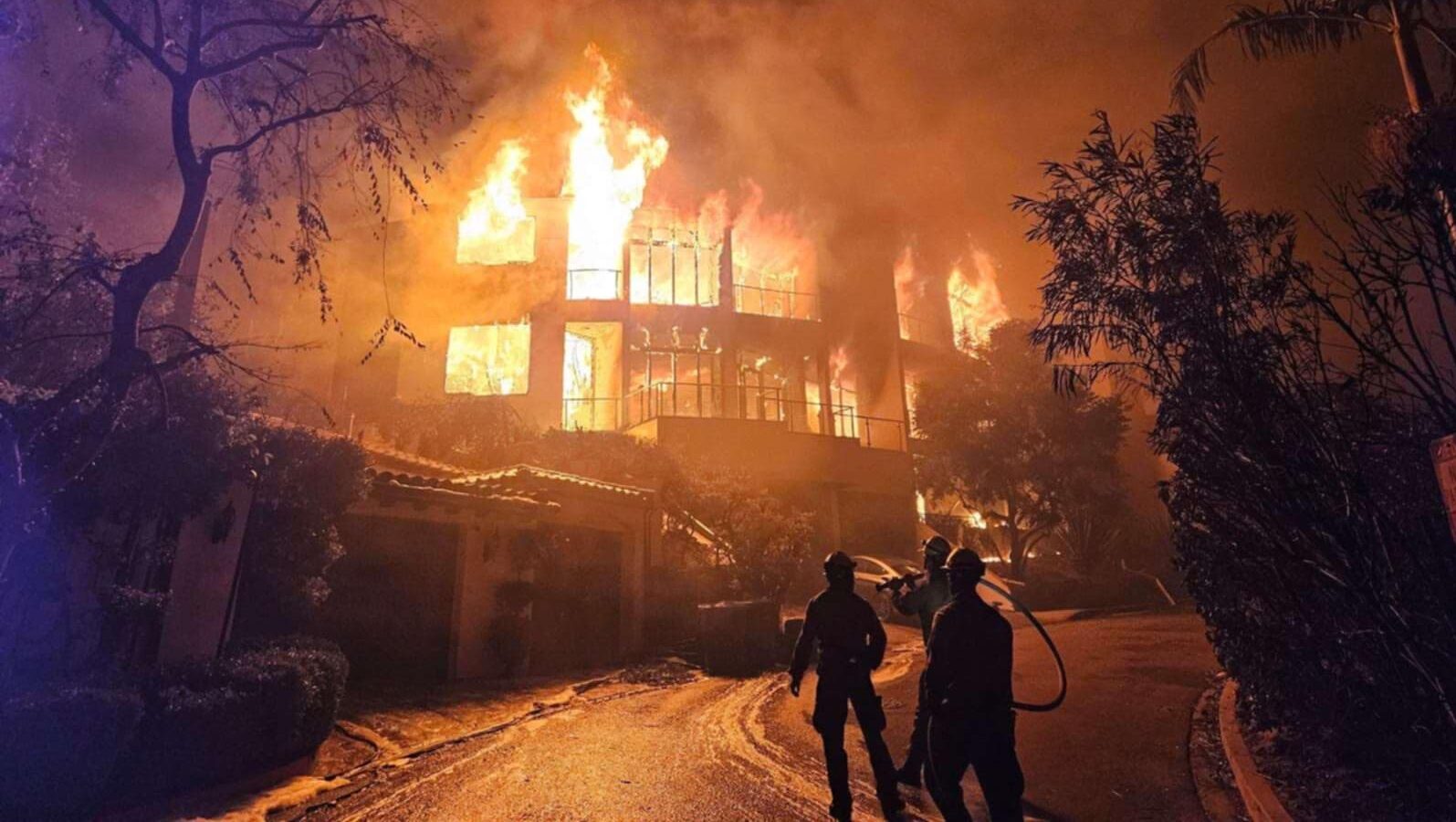
The Palisades wildfire in January 2025 left a deadly mark: twelve people killed and thousands uprooted, and prosecutors now claim the blaze was driven by radical left-wing ideology rather than climate factors.
The Palisades fire tore through Los Angeles County in January 2025 and is already listed as California’s third-most destructive wildfire in history. Twelve people died and thousands were forced from their homes as fire and smoke reshaped neighborhoods and livelihoods. Emergency responders and families are still grappling with recovery while questions about how this catastrophe began keep resurfacing.
Investigators and prosecutors say the cause of the flames points to a human hand and a political motive. Rather than blaming weather or climate trends, they allege a suspect acted out of extremist left-wing beliefs. That shift in the official narrative changes not just how we understand the event but how we approach prevention and justice going forward.
Thirty-year-old Jonathan Rinderknecht was identified in filings as linked to the investigation, and court papers describe behavior that raised alarm. Prosecutors say he was obsessed with an “alleged United Healthcare CEO” and harbored grievances that fit into a broader ideological pattern. Those details are presented to explain motive, but the case remains in the hands of the courts where evidence will be tested.
The accused’s background and online footprint have become focal points for both the prosecution and public debate. Prosecutors point to social media posts, alleged statements, and patterns of behavior they say show an ideological throughline. Defense teams will argue against selective readings and demand proof that moves beyond correlation to clear causation.
For many conservatives, the story underscores a broader risk: when ideology replaces common sense, people and property pay the price. Those who lean right argue that labeling disasters as unavoidable climate events can obscure human agency and criminal responsibility. Holding individuals accountable, they say, is crucial for deterrence and for honoring the victims.
The human toll remains the most urgent part of the story. Families of the twelve who died want answers and a legal system that delivers accountability. Thousands displaced face months or years of rebuilding, and local officials are scrambling to provide housing and support. Recovery will test community resilience and local leadership under intense pressure.
Politically, the case is already being framed as a cautionary tale about radicalization and public safety. Republican lawmakers and commentators point to the alleged motive to argue for more focus on preventing extremist violence, not just mitigating natural disasters. That argument pushes for resources aimed at detecting and disrupting plots before they turn deadly.
Law enforcement agencies say they are following evidence wherever it leads, and prosecutors emphasize that these are allegations yet to be proven at trial. Investigators have described a complex inquiry involving forensic evidence, digital records, and witness testimony. The legal process must balance the urgency of victims’ demands with the defendant’s right to a fair trial.
Meanwhile, wildfire policy debates continue but are now tied to questions about criminal intent and ideological spread. Some officials call for new tools to track extremist activity that foreshadows mass violence. Others caution that expanding surveillance risks civil liberties and community trust, a debate that will likely intensify as the case proceeds.
Community leaders in the Palisades area are pushing for a focused recovery plan that funds rebuilding and strengthens emergency response. Local conservatives emphasize tougher prevention and law enforcement measures to stop politically motivated attacks. Recovery efforts will need to navigate political divisions while delivering practical help to displaced residents.
The intersection of arson, ideology, and mass destruction has unsettled people across the state. Whatever the outcome in court, the episode has reopened questions about how we assign blame after disaster and how public policy should respond. Families and citizens watching the legal process will want clear answers and a system that prevents a repeat of this kind of devastation.

