

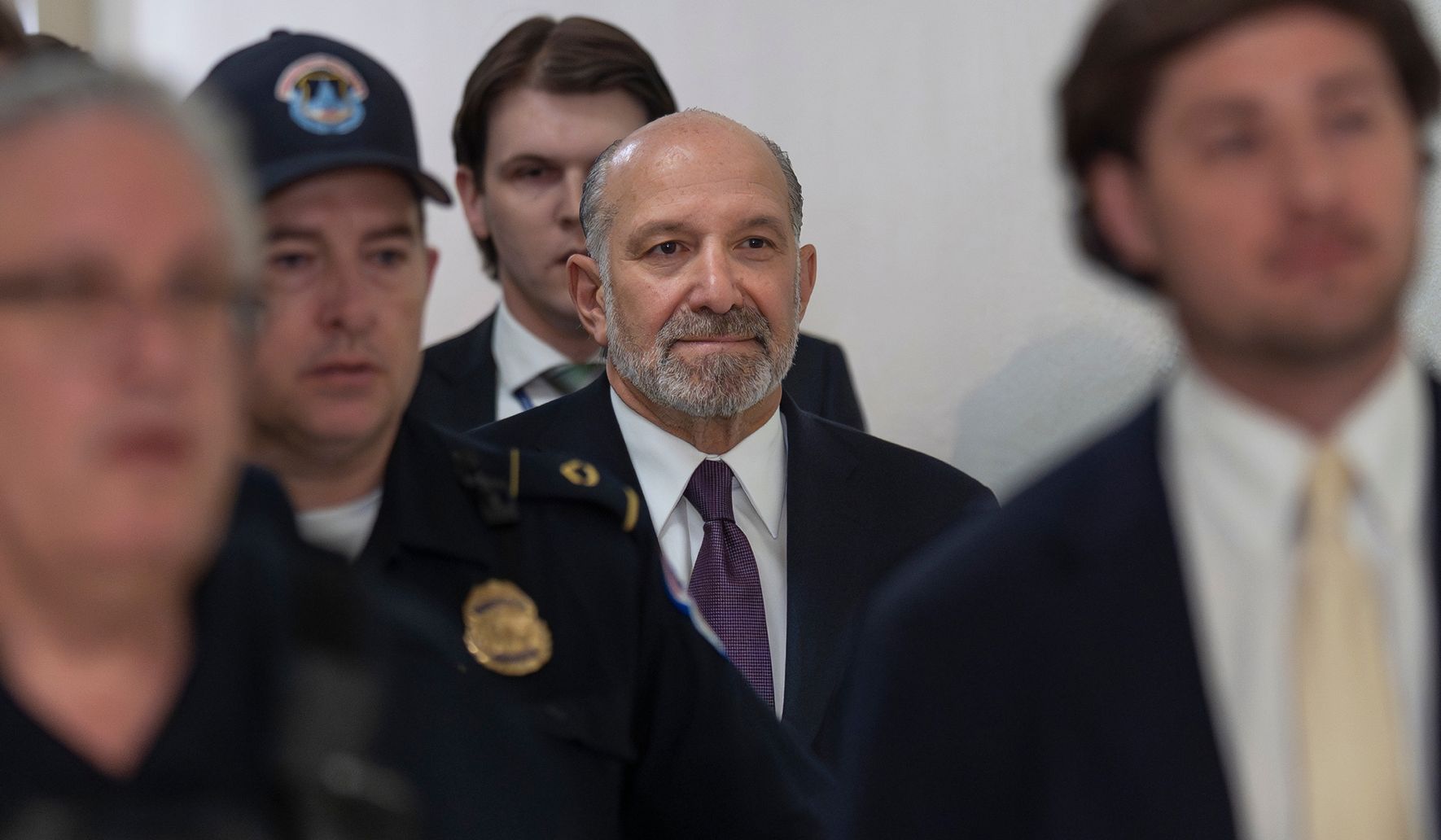
Commerce Secretary Howard Lutnick told House investigators he steered clear of Jeffrey Epstein after visiting Epstein’s home in 2005 and seeing a massage table, a detail that landed before lawmakers as part of a broader inquiry.
Commerce Secretary Howard Lutnick confirmed to House investigators on Wednesday that he visited Jeffrey Epstein’s residence in 2005 and, upon seeing a massage table there, chose to steer clear of further contact. That simple observation, he said, was enough to distance himself from Epstein. The exchange was relayed to congressional investigators as part of their ongoing review.
The timing and setting matter because Epstein’s name carries significant baggage given his criminal history. Lutnick’s account centers on a single visit and a decision to withdraw, rather than an ongoing relationship. Those are narrow, factual claims that can be verified against other records and testimony.
House investigators are assembling details from a range of people who had some contact with Epstein over the years, and Lutnick’s statement is one piece of that puzzle. He told lawmakers what he saw and why he decided to step back, which is the sort of straightforward answer investigators seek. That kind of cooperation helps clarify whether a casual meeting ever became something more.
From a Republican viewpoint, the priority is clear: get the facts and avoid prosecuting reputations in the rumor mill. Public officials should answer questions directly and provide documents when asked. At the same time, investigations should stick to evidence and resist turning every peripheral connection into a scandal.
There’s also a practical politics angle. High-profile inquiries tend to grab headlines and sharpen partisan lines, so Republicans are right to insist on even-handed procedures. If investigators want credibility, they must let concrete evidence drive their findings instead of allowing innuendo to steer the narrative. Fair process serves both accountability and the rule of law.
Epstein’s record as a convicted sex offender and trafficker makes scrutiny inevitable when his name surfaces, and officials who had any contact with him will face questions. Lutnick’s explanation—that a massage table at a residence prompted him to back off—frames his involvement as brief and reactive. That distinction matters in assessing whether any ethical or legal issues should follow.
The public deserves transparency, but transparency shouldn’t devolve into a media-driven trial by gossip. Republicans advocate clear, timely disclosure from public servants and sensible limits to investigative reach. If there’s credible cause for further inquiry, it should proceed; if not, there should be closure without lingering damage to someone’s career.
Lutnick holds a Cabinet post that requires trust and steady judgment, so any appearance of questionable contact is politically sensitive. Republicans emphasize that officials must be accountable, but they also stress safeguards so accountability doesn’t become a blunt instrument of partisan advantage. The contrast between accountability and overreach is central to how this episode will be debated.
As investigators continue to collect testimony, Lutnick’s brief visit and his choice to step away will be weighed alongside other evidence. Questions will remain about who else knew what and when, and those answers will shape whether the matter stays a minor footnote or becomes a larger inquiry. For now, the factual record is focused on a 2005 visit and a decision to avoid further contact.

