

The True Cost of COVID-19: a tight look at lives, livelihoods, and choices
The pandemic reshaped societies in ways that will be measured for decades, combining direct health impacts with economic shock, education gaps, and public-health tradeoffs. This article traces the measurable costs, the human stories behind the statistics, and the policy questions that still matter as communities rebuild. It keeps the focus on concrete outcomes — deaths, delayed care, mental health, lost schooling, and economic disruption — while asking a single blunt question that many still worry about. “Were countermeasures worse than the disease?”
The human toll remains the most obvious metric: millions of deaths globally and countless families affected by grief and long-term disability. Long COVID has introduced a chronic layer of health burden that strains insurance systems and workplace productivity. At the same time, routine medical care was displaced for many, creating a backlog of undiagnosed conditions and delayed treatments that will show up in future morbidity numbers.
Economic damage was swift and uneven, with small businesses and hourly workers taking early, deep hits while some large firms adapted and grew. Unemployment spikes and supply-chain disruptions fed inflation and eroded household savings for millions of Americans. Public spending soared as governments tried to cushion losses, and those fiscal choices have consequences for taxation, interest rates, and long-term growth.
Schools closed, moved online, and reopened with uneven success, producing a measurable learning loss for many students, especially those without reliable internet or stable home support. The impact on early childhood development and high-school completion rates will ripple for years, affecting future earnings and social mobility. Extra tutoring and summer programs can help, but they require funding and political will that has been inconsistent across districts.
Mental health worsened during the pandemic, with increases in anxiety, depression, and substance use reported across age groups. Isolation, job insecurity, and grief combined to push more people toward clinical care, often in systems that were already strained. Workforce participation was affected too, as caregivers and the sick had to step back from employment, creating labor shortages in sectors like health care and education just when demand for services rose.
Public-health measures aimed to save lives, but they also carried costs that deserve honest accounting and debate. Lockdowns reduced transmission but interrupted supply chains, schooling, and routine medical procedures. Masking, testing, and vaccination campaigns were lifesaving for many, yet they became politicized in ways that complicated public messaging and compliance. The tradeoffs between individual liberty and collective protection were sharp and, in practice, messy.
Vaccination has been an enormous biomedical success, reducing severe outcomes for those who received timely shots. Yet equity gaps in access and hesitancy complicated rollout and left vulnerable populations exposed. Treatment improvements also reduced mortality over time, but they arrived at different paces and were not evenly distributed across locales and socioeconomic groups.
Policy lessons matter now because the choices made in 2020–2026 shaped outcomes in predictable and surprising ways. Clearer, less politicized communication could have improved public trust and compliance, and better-targeted economic relief might have reduced long-term scarring for workers and small businesses. Data systems need to be faster and more transparent so policymakers can adjust measures without waiting months for results.
As communities continue to assess recovery strategies, the practical question is how to build resilience without repeating past mistakes. Investing in public-health infrastructure, mental-health services, and educational remediation is urgent and should be paired with careful review of intervention thresholds and cost-benefit tradeoffs. The debate over “Were countermeasures worse than the disease?” will likely continue, but a forward-looking focus on rebuilding and prevention can reduce the toll of the next major shock.
May 12, 2026
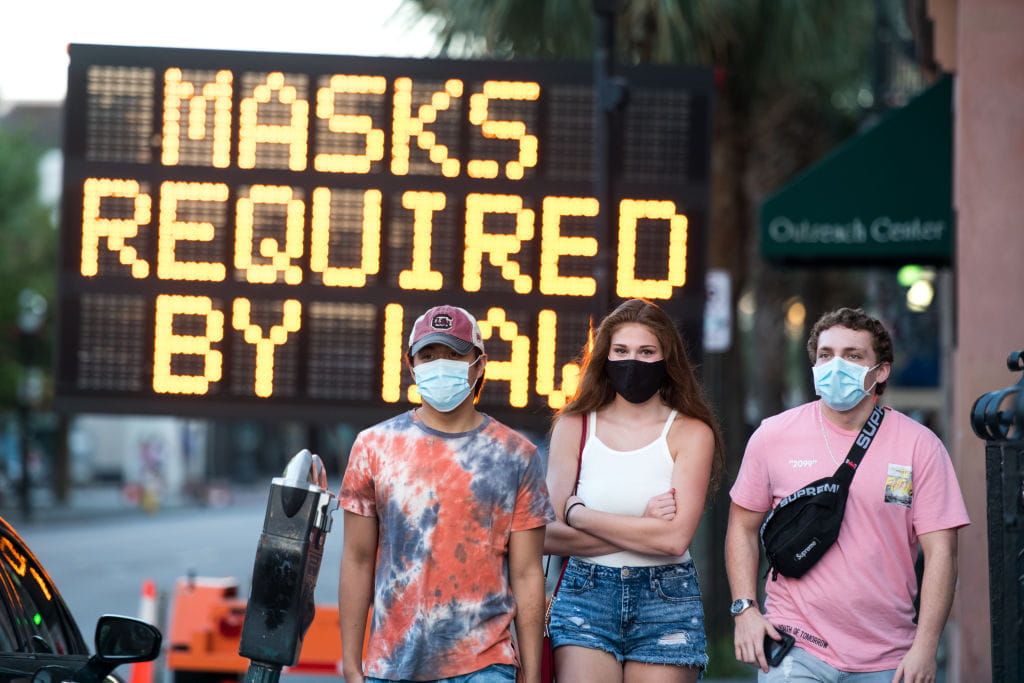
(Photo by Sean Rayford/Getty Images)

