

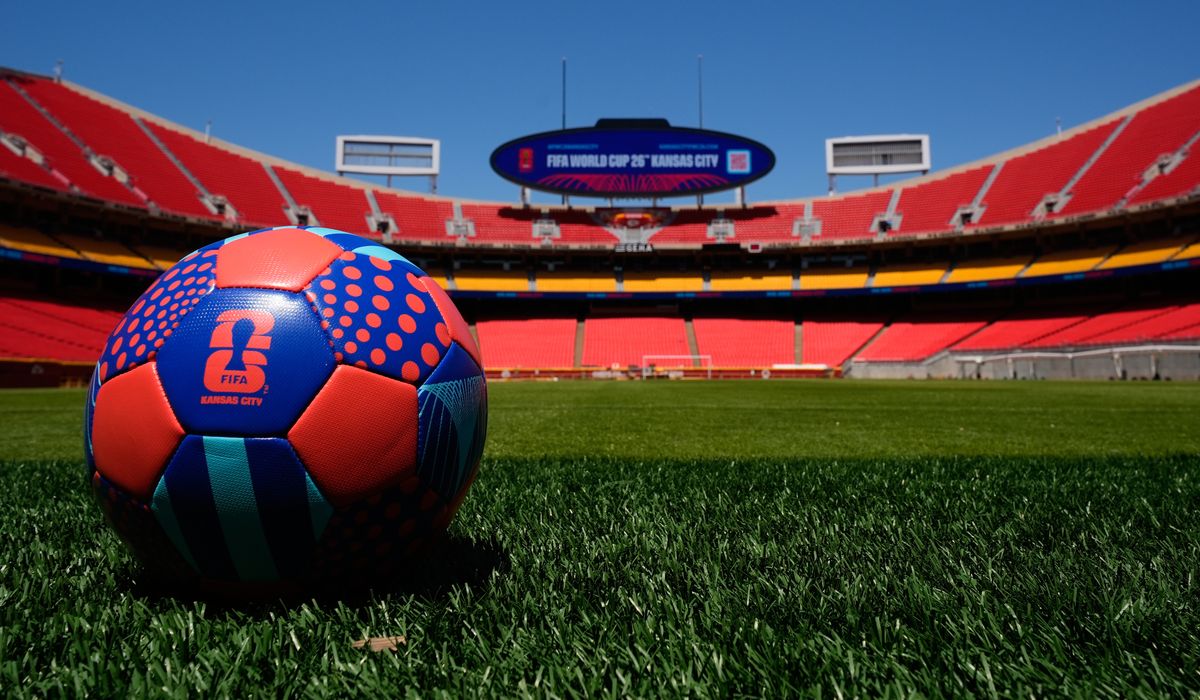
Federal intelligence agencies convened with local and federal law enforcement to review security plans ahead of the international tournament, focusing on layered protections for stadiums, transit hubs, and large public gatherings.
Federal intelligence officials on Tuesday coordinated with law enforcement authorities to go over security protocols before the FIFA World Cup kicks off next month. That briefing brought together federal, state, and local partners to align operational priorities and clarify who leads what when crowds start arriving. Officials emphasized a layered approach that mixes visible policing with intelligence-driven moves behind the scenes.
The meeting underscored three priorities: protecting venues, securing transit corridors, and safeguarding crowded fan zones. Agencies discussed how to share information quickly, move resources where threats are highest, and coordinate emergency response across jurisdictions. The goal is to avoid confusion during a high-tempo event when seconds matter and decisions must be clear.
Counterterrorism analysts briefed on known threat vectors and the measures in place to detect them early. Surveillance, human intelligence, and tips from the public were all part of the conversation, with an emphasis on combining leads so patterns emerge faster. Organizers also reviewed how to keep sensitive intelligence compartmentalized while still informing first responders on the ground.
Cybersecurity showed up repeatedly in the talks because large international events are attractive to bad actors looking to disrupt communications or ticketing systems. Officials outlined strategies to harden networks that support stadium operations and fan services. They also discussed contingency plans to shift to manual operations if automated systems are compromised.
Local police chiefs and transit operators described operational realities: moving thousands of fans safely, managing alcohol-related incidents, and keeping access routes clear for emergency vehicles. Those boots-on-the-ground perspectives helped federal partners understand where extra support might be needed. Joint planning sessions produced specific pinch points where additional staffing or technology could reduce risk.
Coordination extended to private-sector partners who run stadiums, broadcast facilities, and critical infrastructure. Public-private information-sharing is central to spotting risks early and protecting venues that are privately owned but publicly attended. Organizers talked about access control, credentialing, and how to design fan flows that lower friction while increasing safety.
Training and exercises were also a major topic, with agencies agreeing on joint drills to test communications and command relationships. Simulated incidents help spot gaps in planning and force officials to practice rapid decision making under pressure. Those practice runs include scenarios from medical emergencies to active threat situations and large-scale evacuations.
Public messaging and community engagement rounded out the discussion, because safe events rely on vigilant, informed crowds. Officials stressed clear messaging about bag policies, prohibited items, and reporting suspicious behavior, while promising minimal disruptions to fans who want to enjoy the matches. The meeting closed with an operational timeline to ensure every partner knows when resources will arrive and who will be in command at each venue.

