

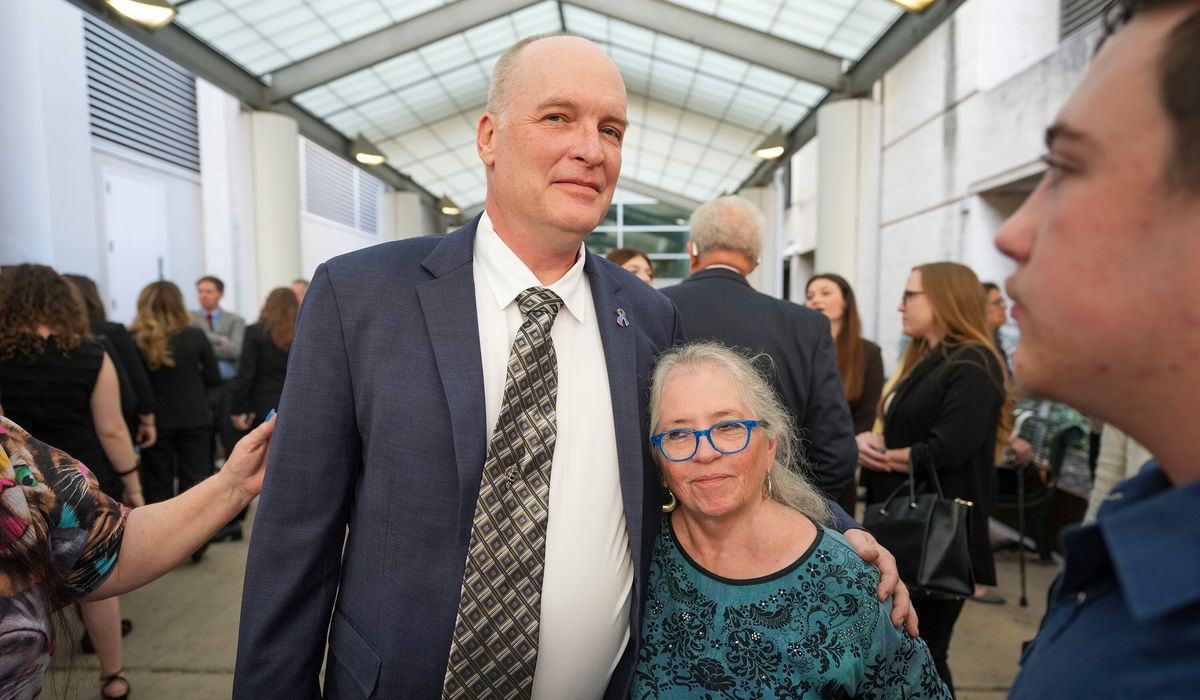
The city of Austin will pay $35 million to three men and the family of a fourth who were wrongly accused of the 1991 rape and murder of four teenage girls at a yogurt shop, a case that initially sent shockwaves through the community and later exposed grave failures in the investigation and prosecution.
The settlement acknowledges a long, painful chapter for the men and the surviving family, and it underscores how fragile justice can be when mistakes and biases go uncorrected. The payout provides compensation, but it cannot restore the years those men spent under the shadow of an accusation they did not commit. For the families of the victims, the settlement arrives amid complicated feelings about accountability and the limits of monetary redress.
Public trust in law enforcement and the justice system erodes when high-profile cases end with such reversals. This case, tied to a 1991 crime scene at a yogurt shop, became emblematic of a rush to judgment that relied heavily on circumstantial evidence and questionable investigative choices. Over decades, litigation and advocacy forced officials to reexamine the evidence and the processes that led to wrongful accusations.
The legal journey that produced this settlement required persistence from exonerees, their advocates, and legal teams willing to challenge entrenched conclusions. Courts and oversight bodies eventually had to confront the mismatch between the initial case narrative and the actual forensic and testimonial record. That gap helped shift public and institutional perspectives about how the case had been handled.
Compensation sums like $35 million aim to quantify harm, but they also open debates about how jurisdictions should prevent similar miscarriages of justice. Some policymakers point to improvements in forensic standards, rules for eyewitness testimony, and greater transparency in police procedures as necessary reforms. Others emphasize the need for independent review mechanisms that can intervene before wrongful prosecutions proceed to conviction or long-term stigma.
For the men receiving the settlement and the family of the fourth, the payment is a form of official recognition that the system failed them. Yet the psychological, social, and economic harms of wrongful accusation linger long after legal closure. Rebuilding lives after such a public ordeal often requires more than money; it demands community support, clear reintegration pathways, and formal apologies that acknowledge the full scope of the injury.
The case also raises questions about how institutions balance the desire for swift answers with the duty to seek careful, unbiased truth. High-profile crimes generate pressure to produce results, and that pressure can lead to shortcuts or reliance on unreliable witnesses. Ensuring accuracy over speed means investing in training, oversight, and accountability so investigations are driven by evidence rather than by the urgency of public expectations.
The settlement will likely prompt a renewed look at policies in Austin and beyond, from how police evaluate leads to how prosecutors weigh charges before filing. Civil settlements often include provisions that affect record sealing, future practices, or oversight commitments, though they rarely resolve every grievance. Still, they serve as a catalyst for practical changes when officials and community leaders take the opportunity to learn from failure.
Ultimately, the verdict of history on this episode will hinge on whether institutions embrace meaningful reforms or treat the payout as a final transaction. The men and the bereaved family now have financial compensation for decades of hardship, but the broader task remains: making sure the system produces accurate outcomes and prevents deserving people from suffering similar ordeals in the future.

