

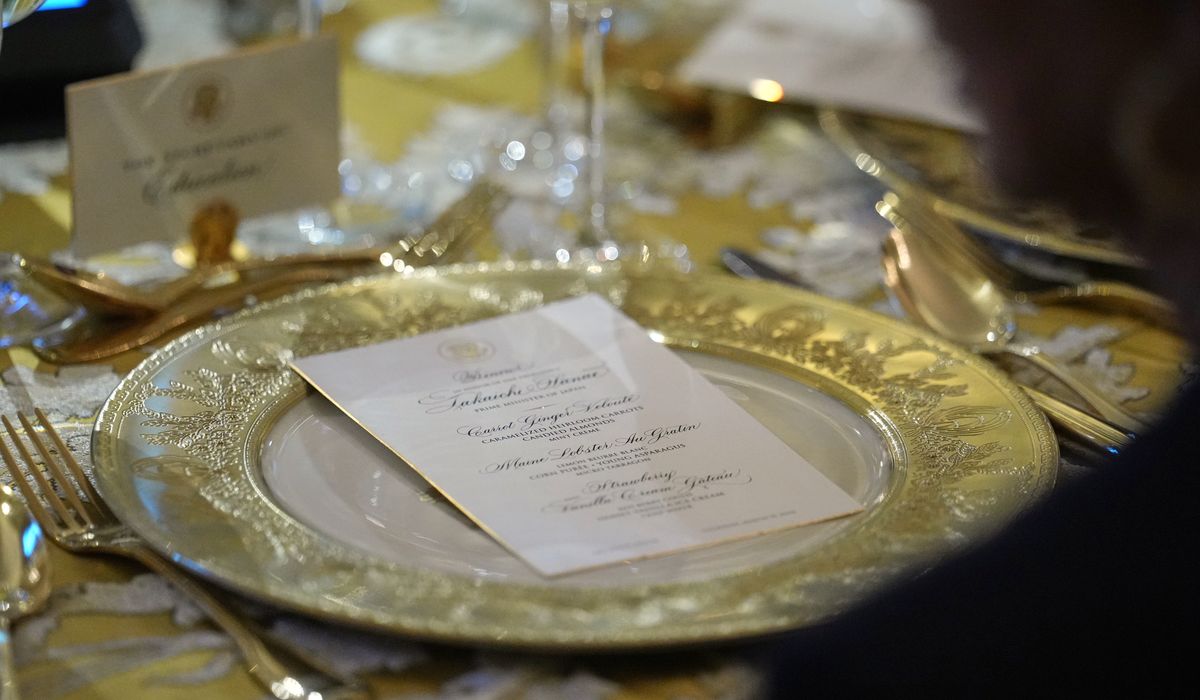
Chinese President Xi Jinping feted President Trump on Thursday with a banquet menu that featured a mix of international favorites and Chinese specialties.
The state dinner was as much about theater as it was about food, with a clear effort to blend familiar Western dishes and traditional Chinese flavors. Diplomacy often uses shared meals to ease tensions, and this banquet fit that pattern by presenting a menu designed to please and impress. Observers noted the balance between comfort and ceremony throughout the evening.
On the Republican side, a banquet like this is read through a practical lens: optics matter, but so do results. Hosting a high-profile president with such fanfare raises questions about what Washington gains beyond cordial photos. The hard-won priorities—national security, fair trade, and American jobs—remain the metrics that should determine success.
The menu itself sent layered signals: international classics offered familiarity, while Chinese specialties showcased culture and hospitality. Food choices in state settings are often scripted to convey respect without surrendering identity, and this event followed that script. The mix suggested an attempt to build rapport while maintaining distinct national flavors.
Republicans will focus on whether the dinner leads to enforceable agreements rather than pleasant memories. A very nice meal does not replace steel tariffs, trade enforcement, or restrictions on technology transfers that threaten American advantage. The real measurement is if this hospitality converts into concrete actions that protect U.S. interests.
Domestically, the optics of a lavish banquet can create unease among voters who prioritize pragmatic results over pomp. Taxpayers expect diplomacy to produce tangible returns, not just elaborate receptions. Leaders need to demonstrate that soft power moments are tied to measurable progress on trade balances, IP protection, and strategic competition.
From a strategic perspective, accepting cultural courtesies must not blur lines on critical security issues. While meals create human connections, they should not be allowed to soften resolve on matters like forced technology acquisition or military modernization that affects regional stability. Conversations at the table are useful, but oversight and verification matter more after the cameras leave.
Internationally, hosting a leader with both international favorites and local specialties can be a savvy move to show flexibility and seriousness. That flexibility is useful if it translates to disciplined negotiation and strong follow-through. The U.S. side should capitalize on goodwill and push for clear, enforceable commitments, not just friendly after-dinner remarks.
Cultural exchange through cuisine is real and valuable, yet it must be paired with a policy framework that enforces American interests. Republicans advocate combining respect for ceremony with a tough-minded approach to agreements and compliance. Good diplomacy involves charm and grit, with the grit ensuring that promises become practice.
The banquet will be remembered for its table settings and flavors, but political judgment will hinge on what comes next. If the visit yields verifiable steps that protect American workers, technology, and sovereignty, the meal will look like a smart investment. If it produces little beyond a pleasant evening, critics will question the priorities behind such high-profile hospitality.

