

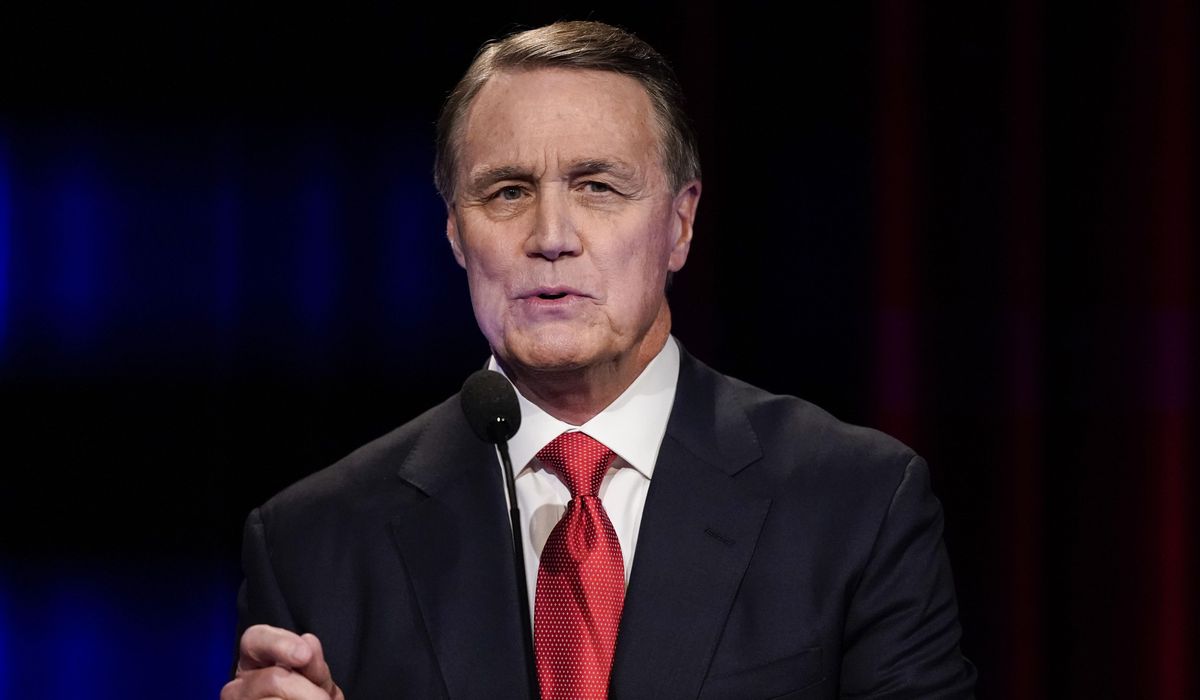
U.S. Ambassador to China David Perdue defended President Trump’s recent state visit to Beijing as a strategic, face-to-face effort to fix long-running trade and economic problems between the two countries, arguing diplomatic pressure at the highest level was overdue and necessary.
David Perdue made clear that a presidential visit to Beijing wasn’t a photo op but a chance to confront structural issues that have hollowed out American manufacturing and handed leverage to China. He framed the trip as a direct response to decades of lopsided trade, regulatory gaps and intellectual property concerns. That blunt assessment reflects a Republican view that strong leadership and tough negotiation, not retreats, produce results.
Perdue said the visit tackled the kind of systemic economic imbalance that has cost American workers jobs and communities, and he emphasized the need for concrete policy wins. Trade deficits, forced technology transfers and market access barriers are on the table, and Perdue argued the U.S. must use every diplomatic tool to level the playing field. The ambassador’s stance centers on accountability and reciprocity—terms Republicans favor when dealing with Beijing.
He also warned that long-term national prosperity depends on restoring supply chains and rebuilding manufacturing capacity at home. That means pushing for fair treatment of U.S. firms and forcing Beijing to stop exploiting loopholes that have benefited its state-directed model. Perdue’s comments reflect a priority to translate diplomatic contacts into measurable economic outcomes for everyday Americans.
National security and economic policy overlap when China’s technology ambitions threaten U.S. leadership in critical areas. Perdue highlighted concerns about theft of trade secrets and the need to protect sensitive industries from undue Chinese influence. The implication is clear: diplomacy must be paired with safeguards and industrial policy that protect American innovation.
Part of the Republican approach Perdue echoes is to combine pressure with pragmatic engagement, not naïve optimism. That balance means preserving channels for negotiation while making it costly for Beijing to keep playing by unfair rules. By insisting on concrete concessions and verification, the administration aims to produce results rather than vague promises.
Perdue’s background in business informs his view that diplomacy should deliver economic benefits at home, not just diplomatic niceties in foreign capitals. He argues that trade policy should be a tool to rebuild U.S. industry and secure jobs for Americans left behind by past policies. That keeps the focus tightly on measurable outcomes and on reversing the forces that hollowed out many communities.
Republican leaders see this visit as part of a broader effort to reassert American economic strength globally, using tariffs, export controls and targeted investment incentives where necessary. Perdue and allies favor a suite of policies aimed at reshoring critical industries and reducing strategic dependency on adversarial states. That approach treats economic competition as central to national power.
While critics worry about warming relations without enforceable results, Perdue’s pitch is that engagement backed by leverage gets better deals. He insists follow-up mechanisms and accountability measures are essential to ensure promises turn into actions. For Republicans who prioritize American workers, that combination of engagement and toughness is the formula they want to see in Beijing and beyond.

