

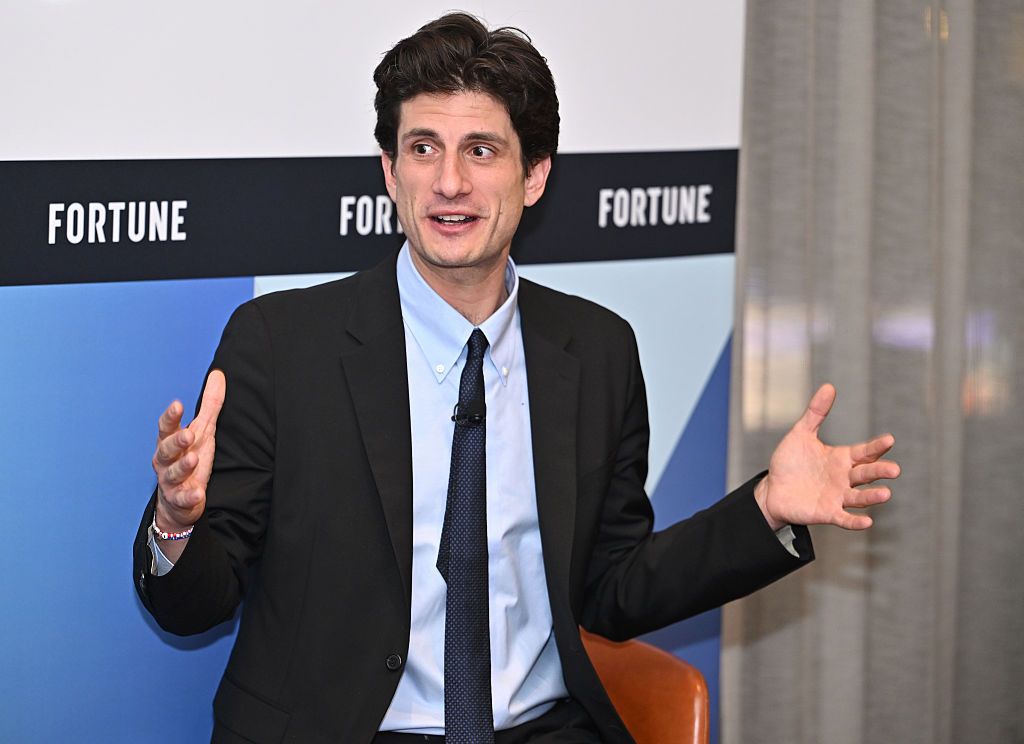
JFK Grandson Jack Schlossberg is facing a wave of negative press as he tests the limits of a famous name in contemporary politics.
Media outlets have latched onto every misstep, turning routine scrutiny into a drumbeat that complicates any rookie bid for Congress. Observers on the right are calling out double standards and asking whether pedigree should insulate a candidate from hard questions. The coverage has become its own political factor that Schlossberg must reckon with.
Jack Schlossberg steps into a gauntlet where the press treats celebrity and legacy differently than it treats ordinary candidates. Reporters who once fawned over a family brand now probe for weakness with an intensity that would be headline-grabbing for any lesser-known contender. That shift exposes how volatile name recognition can be when the narrative turns sour.
Campaigns are about message discipline, ground work, and voter trust more than glossy profiles in national outlets. Negative headlines can starve a newcomer of the breathing room needed to build those fundamentals. Republicans see an opportunity: if the media is piling on, the campaign can flip that into a story about entitlement and media bias.
Voters in a district are not automatically moved by nostalgia for Camelot, especially after years of political churn. Local issues, taxes, and public safety tend to carry more weight at the ballot box than family history. That reality forces Schlossberg to focus on policies and personnel instead of leaning solely on a storied surname.
Fundraising and organization will decide whether his candidacy survives the first rounds of scrutiny. Money gives a campaign the tools to rebut narratives, reach voters directly, and hire staff competent enough to handle daily crises. If those operations lag, negative coverage becomes a multiplier rather than a momentary setback.
Conservative commentators are framing the coverage as evidence of media hypocrisy, pointing out how different standards apply depending on the political stripe of the subject. That argument resonates with many voters who already distrust national outlets. Turning the critique inward toward the press can be a tactical move for opponents.
Policy clarity is another trouble spot for any candidate with celebrity pedigree who has not lived in the grinder of retail politics. Voters want specifics on how a politician will act on the economy, immigration, and crime. Abstract appeals to legacy do not answer those practical questions.
Internal polling and field work will reveal whether Schlossberg’s name still translates to votes at the local level. Early signs from town halls and meet-and-greets matter more than magazine profiles. A disciplined ground game can blunt hostile coverage and convert skepticism into dialogue.
Conservative strategists also note that negative attention can backfire on the media, energizing grassroots opponents who smell privilege. That dynamic can increase turnout among voters who want an authentic alternative to establishment fixtures. Campaigns that understand that can weaponize the backlash.
Media narratives evolve fast and often without accountability for their earlier threads. A story that starts as suspicion can metastasize into a presumed truth if not challenged effectively. Schlossberg’s team must decide whether to engage, ignore, or reframe those stories to control the conversation.
Public perception is fickle, and the Kennedy name can be both asset and liability in equal measure. “Will the Kennedy mystique be enough to carry him to the US House?” remains an open question that depends on how he answers scrutiny and whether voters prioritize familiar branding over concrete results. The campaign’s next moves will tell whether the name lifts or weighs down his prospects.
The immediate political reality is simple: media pressure is an obstacle, not an automatic disqualifier. Republicans watching this race will push narratives that highlight accountability and question elite protection. For Schlossberg, turning legacy into service requires a fast transition from inherited fame to earned credibility.

